

Berlin: On the way to becoming Europe's health capital
10-point action plan: VBKI Health Committee presents measures for the further development of Berlin as a health location.
Berlin has all the prerequisites to establish itself as the healthcare capital of Europe: an excellent research landscape, renowned clinics, innovative start-ups, a dynamic (pharmaceutical) economy and a growing international community. In order for this potential to be fully realized, decisive action is needed. In this 10-point plan, the Health Committee of the Verein Berliner Kaufleute und Industrieller (VBKI) presents concrete measures on how Berlin can seize its opportunities and achieve a leading position in European competition.
1. joint strategy 2030 - Berlin as a European health metropolis
Rationale: Despite many excellent individual initiatives, a coordinated overall strategy for the healthcare industry is lacking. Only with clear goals, responsibilities and binding management can Berlin join forces.
Measures:
- Establishment of a "Future Council Health Berlin 2030" with stakeholders from politics, business and science.
- Definition of measurable and verifiable goals in: Care, research, business and internationalization.
- Establishment of a coordination office that manages implementation, creates transparency and communicates results.
2. create standardized and fast approval processes
Justification: Bureaucratic hurdles slow down innovation. Competitors in the USA or China have fast-track procedures that make projects possible much faster.
Measures:
- Introduction of a uniform approval standard for Berlin-Brandenburg to avoid duplication of work.
- Central approval office with accelerated procedures so that innovations can be applied more quickly.
- Definition of binding time limits for decisions by authorities to ensure predictability.
3. strengthen innovation financing and the capital market
Reason: Germany has many patents, but too few successful start-ups. A lack of access to venture capital and an unattractive capital market are holding back young companies.
Measures:
- Establishment of a "Health Innovation Campus" with its own capital market segment to provide companies with targeted access to capital.
- Introduction of tax incentives for investments in healthcare start-ups in order to mobilize private funds.
- State investment funds based on the VC model so that public funds act as leverage for private investments.
4. accelerate translation and cluster formation
Justification: Research results take too long to reach the healthcare sector. Berlin has strong clusters, but needs to network them more effectively and make them more visible internationally.
Measures:
- Establish real laboratories to bring research results directly into application.
- Strengthen HealthCapital cluster and link it more closely with successful models in other regions.
- Expand and promote centers of excellence (e.g. oncology, radiopharmacy) to achieve greater international visibility.
5. targeted expansion of infrastructure
Justification: Dilapidated infrastructure and outdated buildings weaken important healthcare locations. A modern infrastructure is crucial for research, care and settlements. Targeted investment is needed to consciously promote the beacons that we have in our city.
Measures:
- Establishment of cross-campus service and innovation centers that support start-ups and SMEs.
- A clear commitment to investing in modern research and clinic buildings in order to maintain and expand the infrastructural basis.
6. skilled labor campaign with clear targets
Justification: The shortage of skilled workers is the biggest obstacle to growth. Berlin must attract international talent by speeding up recognition and training procedures and ensuring affordable housing.
Measures:
- Significantly simplify and shorten recognition procedures for international qualifications in order to integrate talent quickly.
- Expansion of English-language training and study programs to make Berlin more attractive for international specialists.
- Set up housing construction programs in the catchment area of healthcare locations (e.g. by state-owned housing construction companies) in order to retain skilled workers locally.
- Establish a Berlin-wide "Welcome Initiative" that welcomes and integrates talent.
7. make digitalization & health data user-friendly
Rationale: Health data is the raw material of tomorrow's medicine. Role models such as Denmark show how user-friendly digitalization can revolutionize healthcare and research.
Measures:
- Introduce standardized electronic patient records to make data available to patients and doctors.
- Create a secure data infrastructure that offers trust through the highest standards of data protection and security.
- Promote data-driven applications that improve prevention, diagnostics and therapy.
- Orientation towards international best practices in order to learn from successful role models.
8. use artificial intelligence in practice
Rationale: AI and machine learning can reduce bureaucracy, relieve the burden on specialists and improve diagnoses. Berlin can become a pilot region here.
Measures:
- Promote pilot projects in clinics and research institutions that test specific fields of application.
- Establish an "AI Lab Health Berlin" that networks the players already active and develops standards for all those who want to develop further in this area.
- Create regulatory guidelines for the safe use of AI to ensure data security and build trust in general.
9. use sustainability as a location factor
Justification: Sustainable structures are a prerequisite for investment today and ensure acceptance in society and politics. The healthcare industry and climate strategy belong together.
Measures:
- New construction and refurbishment of clinics according to ESG criteria in order to conserve resources.
- Building resilient supply systems, e.g. investing in critical infrastructure in order to be able to act in times of crisis.
- Integrating health and sustainability into urban development to ensure quality of life.
10. making Berlin internationally visible
Justification: Berlin needs a strong narrative as a European healthcare metropolis. Greater visibility to the outside world and international cooperation strengthen its attractiveness and competitiveness.
Measures:
- Develop location marketing with the "Berlin - Health Capital of Europe" brand.
- Expand presence at leading international trade fairs to attract global attention.
- Promote international cooperation, for example in pandemic preparedness.
- Support global initiatives and foundations that strengthen Berlin's role as a responsible actor.
Conclusion
Berlin has all the prerequisites to become the healthcare capital of Europe - a vibrant research landscape, internationally outstanding university medicine, a dynamic start-up scene and major industrial players. But potential alone is not enough. In order to be able to compete internationally with locations such as Boston, Berlin must become active and act consistently. The decisive parameters for this are: faster approvals, an innovation-friendly capital market, a targeted skilled labor policy, digital and sustainable structures and a clear, internationally visible profile.
The VBKI Health Committee's 10-point plan provides concrete recommendations for action: It combines economic competitiveness with social responsibility and sustainable urban development. The measures not only secure Berlin's leading position in research and healthcare, but also create added value, jobs and quality of life for the entire region. It is now crucial that politics, business and science take joint responsibility - and that the steps outlined are implemented decisively and swiftly. Only in this way can Berlin realize its potential and truly become Europe's number one healthcare metropolis.
You can download the action plan as a PDF file here
Your contact persons
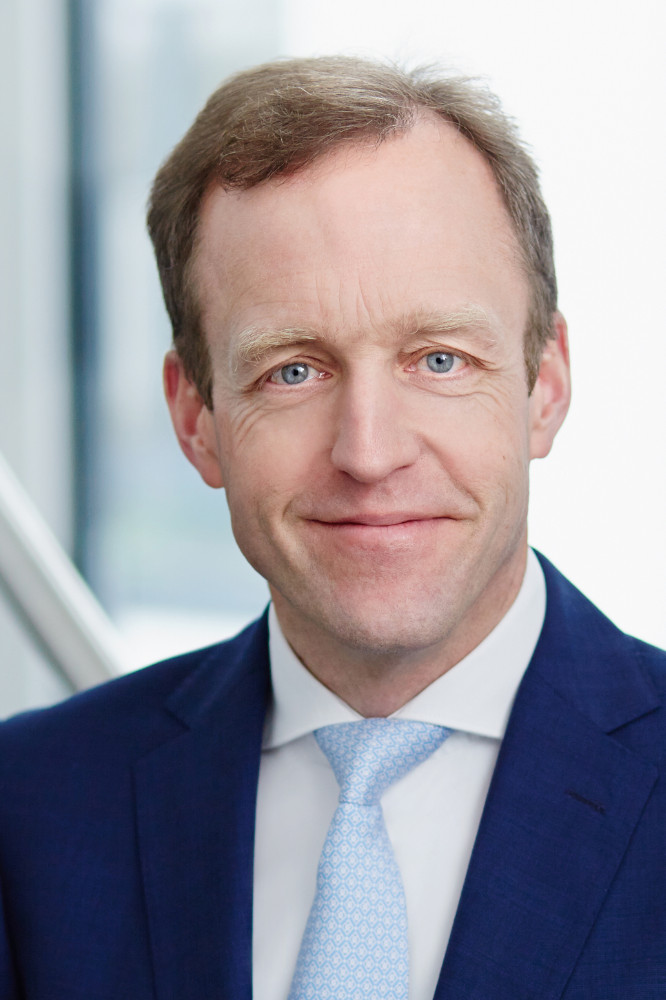
Dr. Harald Hasselmann
Co-Chairman of the VBKI Health Committee,
Chairman of the Executive Board Eckert & Ziegler SE
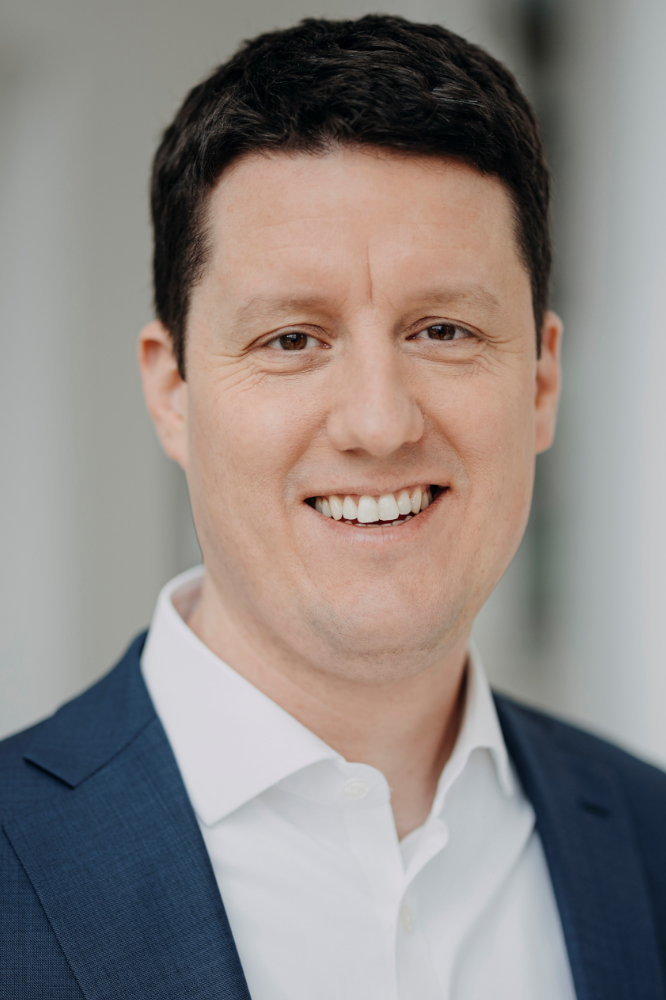
Simon Batt-Nauerz
Co-Chairman of the VBKI Health Committee,
Managing Director Charité CFM Facility Management GmbH
About us
Media service
Follow and share
Our premium partners