
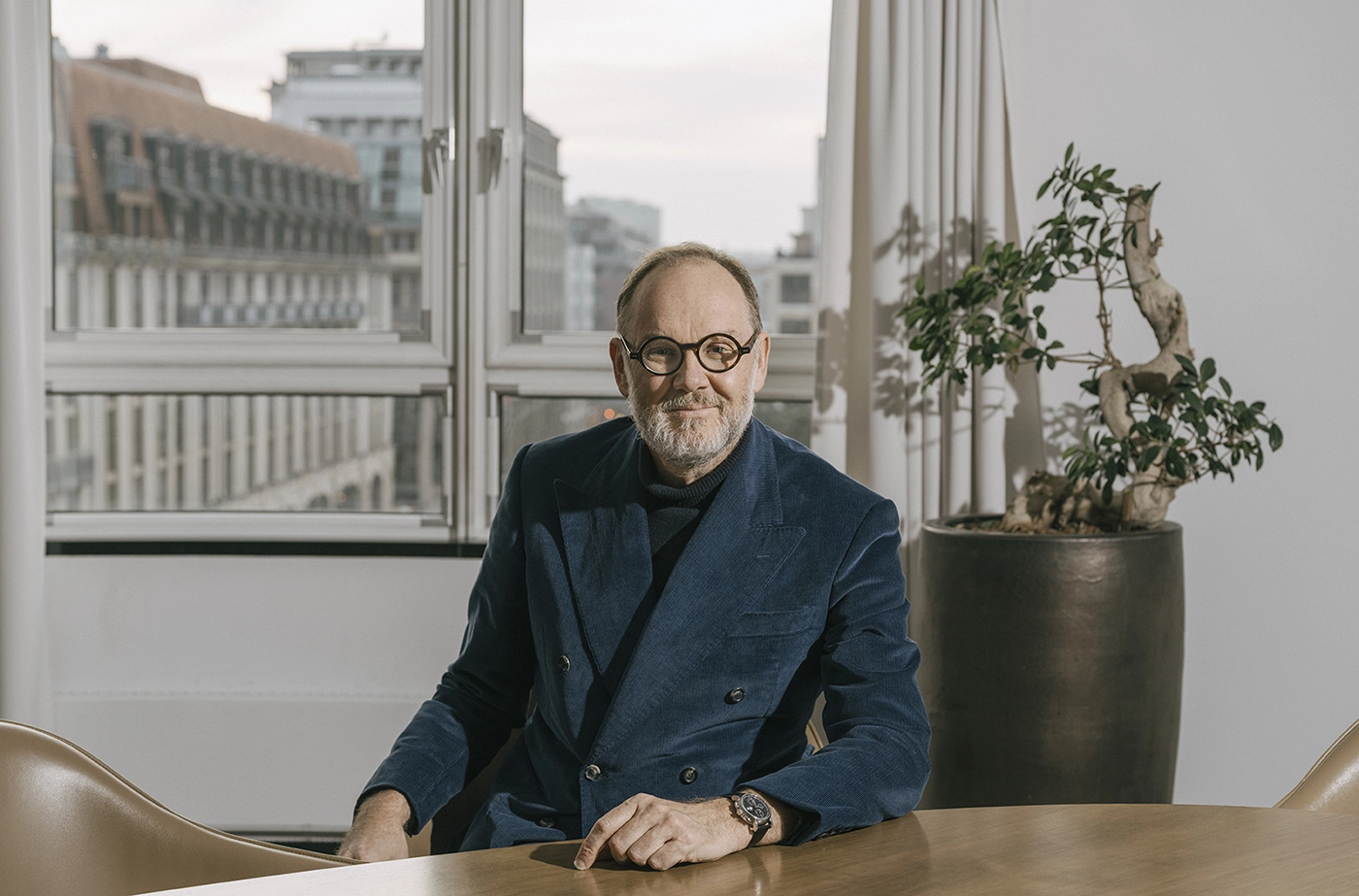
"Only together can we be strong"
Harald Christ on team spirit, clear positioning, and strong dialogue between business and politics.
Questions Sebastian Thomas | Head of Communications & Marketing
It was the top news story at the Ball der Wirtschaft : Harald Christ is running as a candidate for the VBKI presidency. Who is the man who wants to take over the baton from Markus Voigt at the VBKI general meeting in early June? How does he perceive the VBKI, what motivates him? In an interview, he explains what drives him, what impetus he wants to provide—and why economic strength always means social responsibility.
Mr. Christ, you are running as a candidate for the executive committee to succeed Markus Voigt as president of the VBKI. What motivates you?
The motivation is essentially very simple: to take responsibility for this great city and its economic future. For over 140 years, our VBKI has been a strong, independent voice for Berlin's economy. It connects entrepreneurs, promotes exchange between business, politics, and society, and provides impetus for the location. In various entrepreneurial roles, I have experienced how important reliable networks, economic policy clarity, and a constructive mindset are—especially in a city like Berlin, which has enormous potential but also faces structural challenges. Further strengthening this potential and actively shaping the exchange between business, politics, and urban society is a tremendous motivation for us Berlin entrepreneurs.
"My motivation? To take responsibility for this great city
and its economic future."
At the same time, the VBKI is not only concerned with economic policy issues. Our social commitment, for example in the context of our project "Berliner Lesepaten" and other initiatives, shows that economic responsibility always also means social responsibility. I consider this combination of economic strength and social commitment to be central.
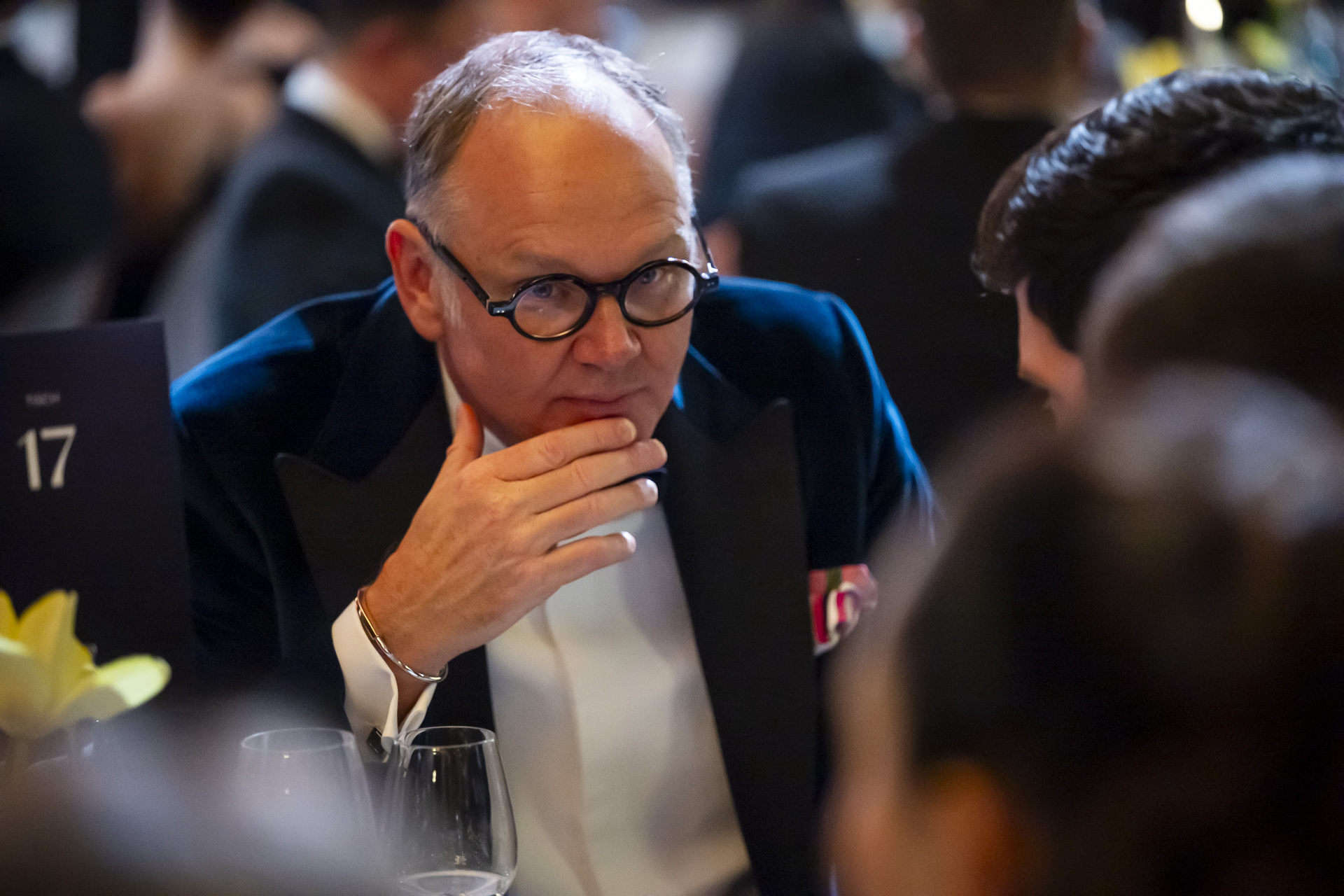
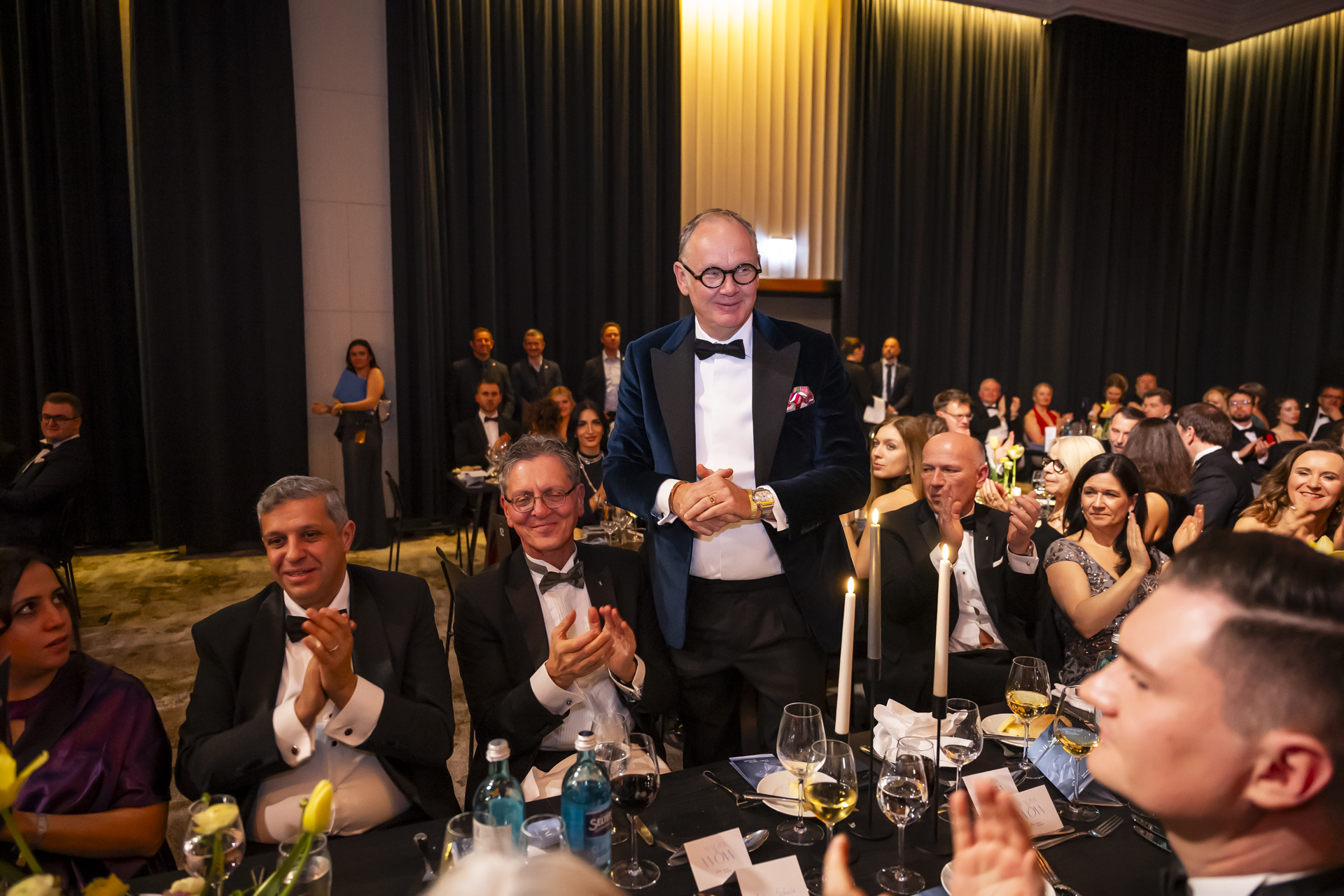
I would like to emphasize what impressive progress the VBKI has made in recent years. Markus Voigt has led and developed the association with great integrity, clarity, and commitment. This provides a solid foundation on which to build. Equally important is the strong team at the office, led by Ute Weiland, which carries out its daily work with a high degree of professionalism.
The office of president is an honorary position. It is not about a position, but about making a contribution. If I run for office, it will be out of the conviction that I can contribute my experience, my network, and my energy to further develop our VBKI together with the executive committee and the members and make it fit for the future. Berlin needs economic strength, innovative power, and entrepreneurial responsibility. I would like to do my part to achieve this.
Which three adjectives would you use to describe yourself as a person and leader?
Committed, reliable, and determined. Committed, because commitment and trust are the basis of any successful collaboration. This is particularly crucial in an economic association with very different perspectives. Reliable, because I take responsibility myself and contribute accordingly. Determined, because good ideas only have an impact if you are prepared to take responsibility and act consistently.
"I am impressed by how objectively and at the same time enthusiastically
is being discussed in the VBKI."
What experiences from your professional and social career to date would you bring to the VBKI?
I bring both an entrepreneurial and a political perspective to the table. As an entrepreneur, I have been responsible for investments, jobs, and strategic decisions. I know the reality of competition, regulation, financing, and transformation from my own experience. You learn very specifically which conditions enable growth—and which hinder it.
From my political experience, I also know how decision-making processes work, where conflicts of interest arise, and how important clear communication and prioritization are. I consider this experience at the interface between business and politics to be particularly valuable for our work at the VBKI.
When did you first come into contact with the VBKI, and what particularly appealed to you at that time?
My first contact with the VBKI was through economic policy events and exchanges with members. I was impressed by how objective and at the same time committed the discussions were. The VBKI is not a place for short-term headlines, but for substantive debates about Berlin's economic future. This seriousness and willingness to engage in constructive dialogue convinced me from the outset.
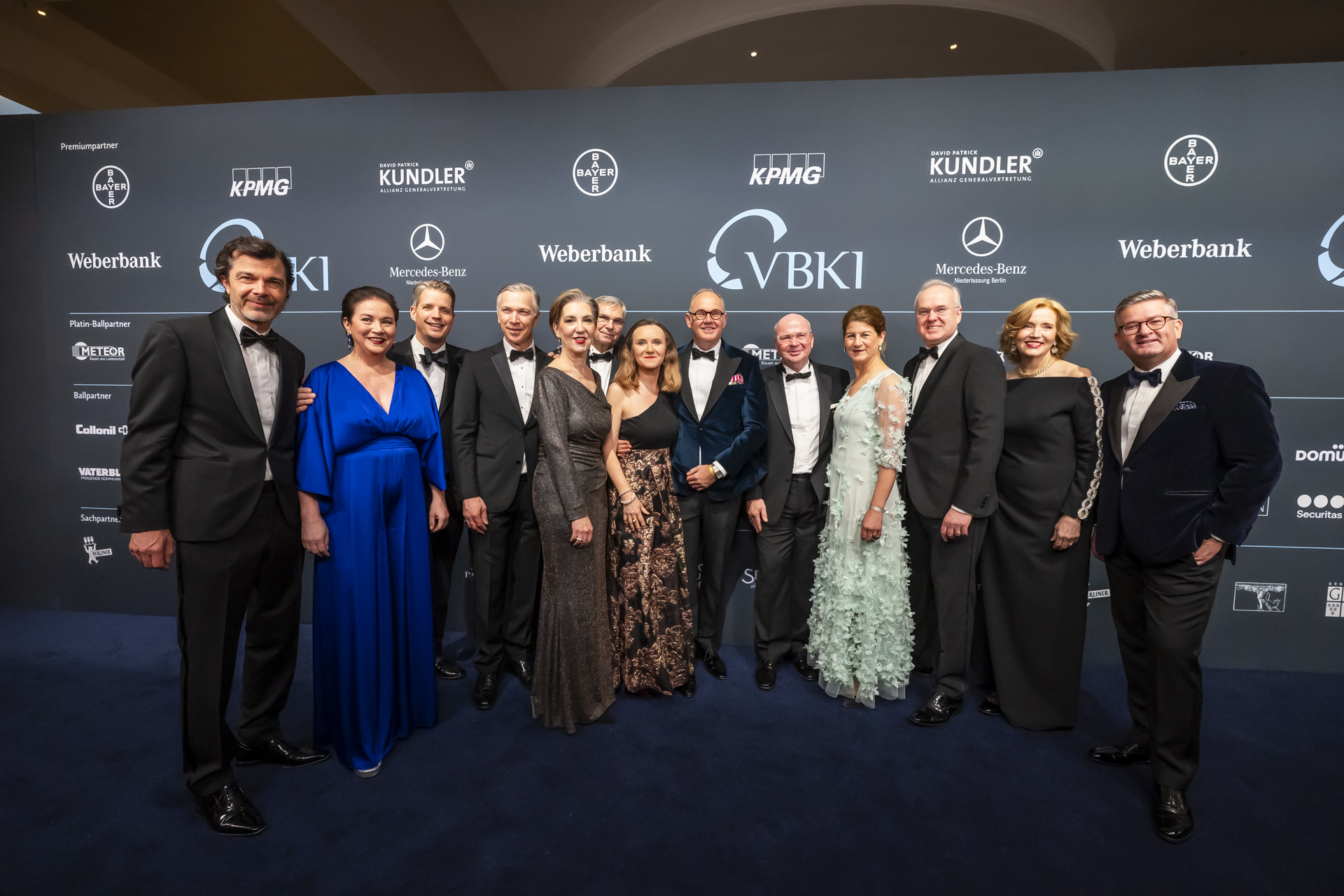
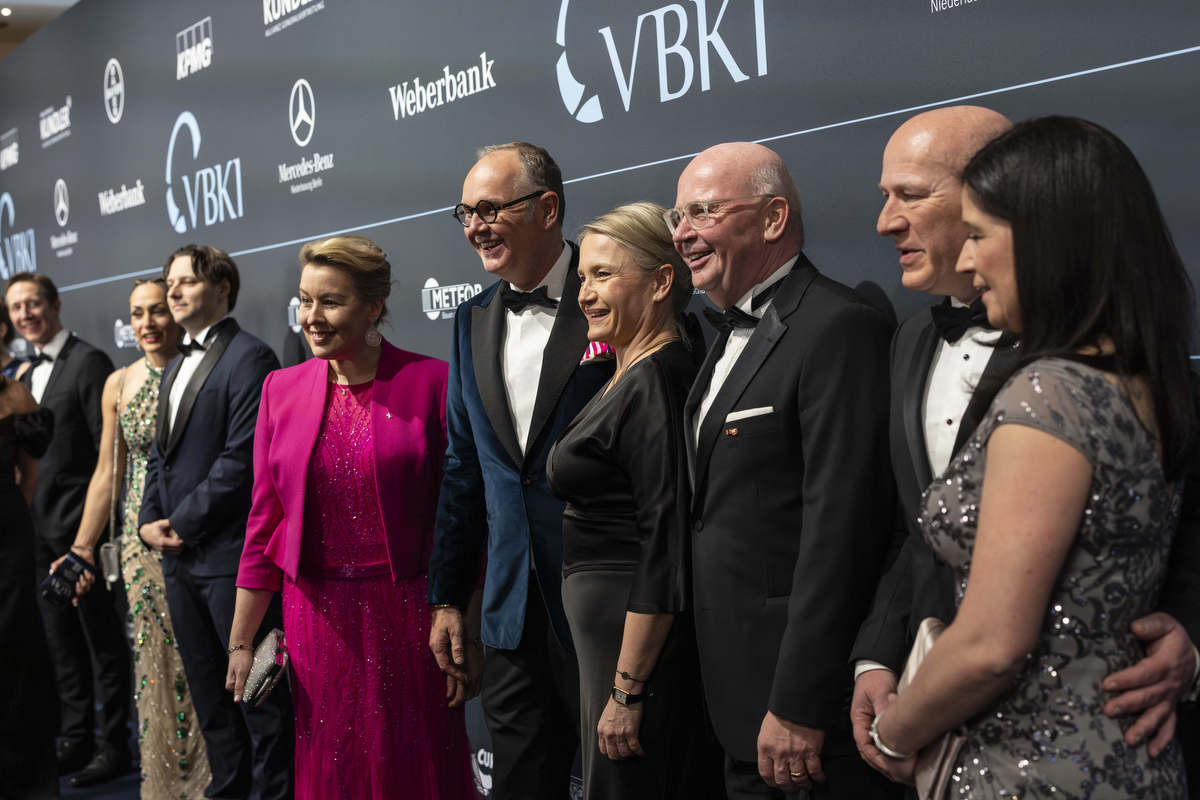
In your opinion, what distinguishes the VBKI and what makes it unique in your eyes?
Our VBKI is an independent business association with a long history and a modern outlook. It brings together entrepreneurial expertise from different industries and generations.
In my view, what makes it unique is the combination of tradition, independence, strategic vision, and charitable commitment. The VBKI does not see itself as representing the short-term interests of individual groups, but rather as the long-term voice of Berlin's business community. Especially in a capital city where political decisions have immediate economic repercussions, such an independent and objective platform is of crucial importance.
At the same time, the VBKI has the potential to be perceived even more strongly as a central meeting place for business in the federal capital—we should position our VBKI as the "place to be" for companies from all over Germany that want to have a presence in Berlin and seek dialogue with politics and business.
Are there any topics or projects within the VBKI's diverse range of activities that are particularly close to your heart?
Four issues are particularly important to me. First, Berlin's competitiveness as a business location. This includes fast planning and approval procedures, reliable investment conditions, and a clear economic policy strategy.
Secondly, talent and entrepreneurial spirit. Berlin attracts creative and entrepreneurial people from all over the world. We need to create better conditions so that ideas can be turned into sustainable businesses and value creation remains in the city. We should open up our VBKI even more to younger generations and create specific spaces for exchange, mentoring, and entrepreneurial networking.
Thirdly, I believe it is important to further expand the VBKI's presence in the eastern part of the city. Berlin is more than just its historic center. New economic dynamics, innovative projects, and creative milieus are emerging, particularly in the eastern districts. We should integrate these developments even more strongly.
Fourthly, structured, continuous dialogue between business and politics. Economic strength can only be achieved if the framework conditions are right—that is what I am committed to.
"The office of president is an honorary position.
It's not about a position, but about making a contribution."
You have a reputation as an outstanding networker. Are there any doors that have been closed until now that you would like to open for the VBKI and its members?
"Closed doors" sounds too mysterious to me. I am a curious person by nature, which is why I talk to experts and executives from a wide variety of fields. This often leads to exciting connections and intersections. I try to bring this potential to life—no more, no less.
So it's not about opening doors, but about promoting dialogue. Over many years, close and trusting relationships have developed in various business and social functions – both nationally and internationally. I don't see these connections as exclusive access, but as a responsibility.
Do you already have any ideas about the areas in which you would like to make your mark?
It is important to me to emphasize that the VBKI already has a strong profile and a well-established structure—the association owes this positive development not least to Markus Voigt. I therefore see my own priorities less as a break with the past and more as a further development. Together with the executive committee and the members, I would like to further sharpen the VBKI's economic policy positioning, particularly on issues of competitiveness, investment conditions, and the promotion of innovation. I also believe it is important to raise the profile of Berlin's economic performance – both within the city and beyond. Berlin is often perceived in cultural terms, but we should also clearly position it as a powerful economic metropolis. Despite all the initiative and impetus I am happy to contribute, there is no question that all this can only succeed through teamwork. A president never acts alone—the executive committee as a team is crucial. Only together can we create strength.
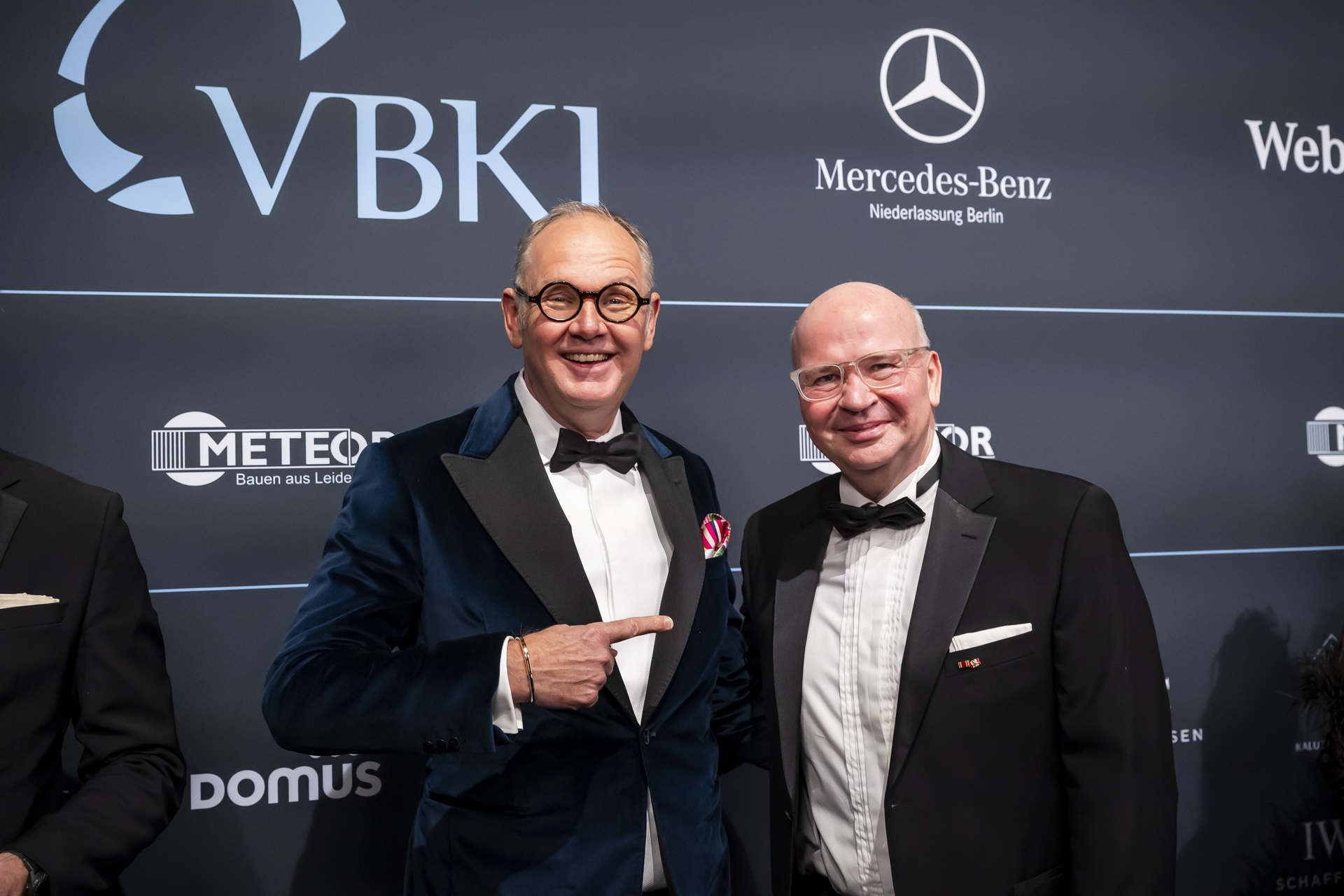
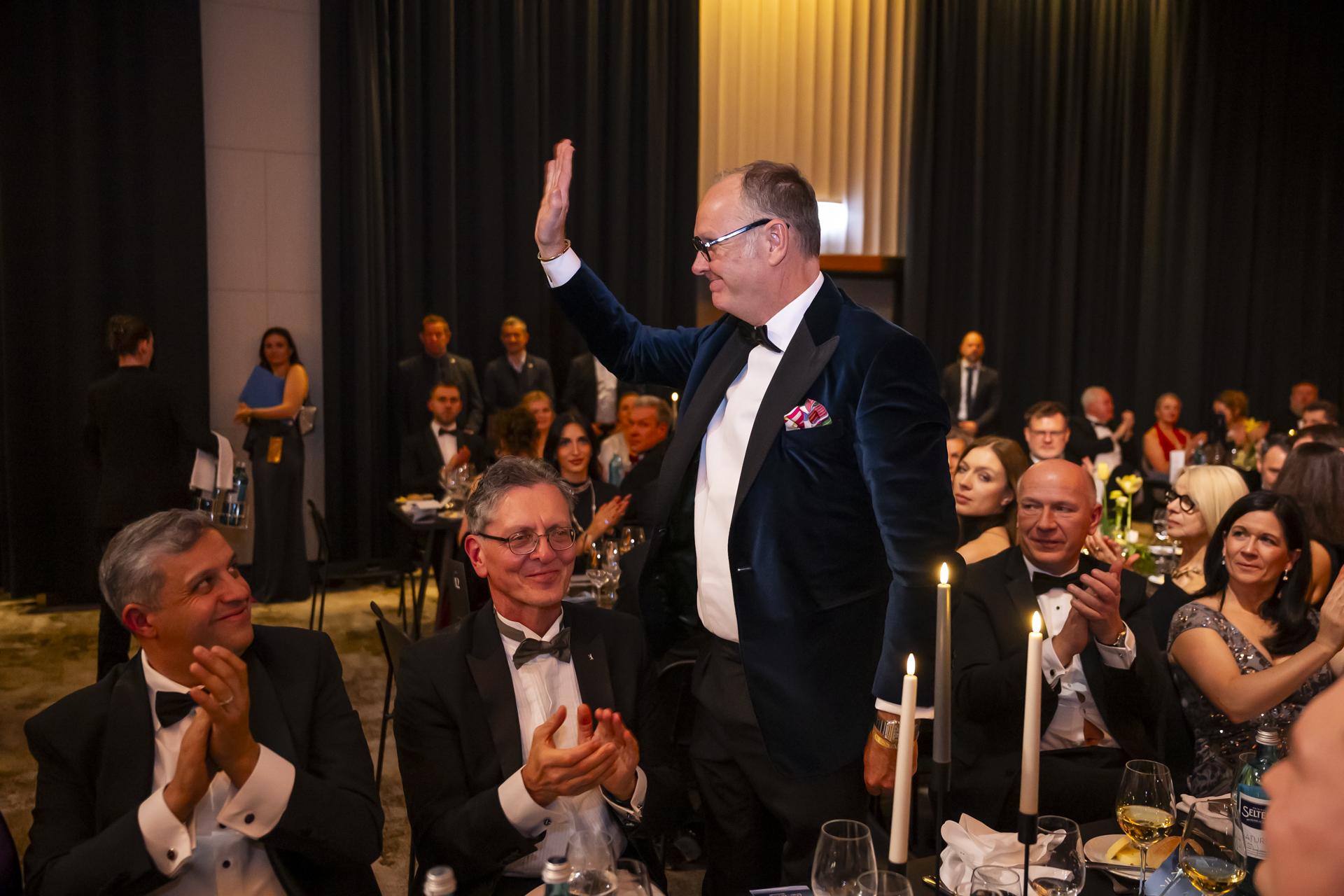
Two passionate networkers
VBKI President Markus Voigt and Harald Christ at the Ball der Wirtschaft .
Berlin is in election campaign mode. How do you perceive the city? Where is it making the most of its opportunities, and where is it falling short?
Berlin is full of opportunities. The city has a genuine entrepreneurial spirit, excellent research, international appeal, and a vibrant business landscape. Its dynamism and innovative strength are major assets that are recognized both nationally and internationally. However, decision-making processes often take too long, and investment projects involve considerable administrative effort. Many VBKI members experience these challenges on a daily basis. In this respect, Berlin is failing to live up to its potential.
During the election campaign, different visions of the future are being discussed—that is good and is part of the essence of democracy. Looking at it from an economic perspective, I see three main priorities: a significant acceleration of planning and approval procedures, a clear location strategy with defined future clusters, and consistent administrative modernization with greater digitalization and clear responsibilities. It will be crucial to quickly create clarity and reliability after the election. Sustainable economic growth requires planning security, efficient structures, and constructive dialogue between politics and business.
The German economy is currently experiencing difficult times. How do you interpret the current situation in Germany? Where are the risks, and where might the opportunities lie?
Germany's business case faces structural challenges. A few figures underscore the seriousness of the situation: industrial production has declined noticeably in recent years, and in 2025 alone, over 100,000 industrial jobs were lost. At the same time, our energy costs are significantly higher than those of key competitors—a considerable competitive disadvantage for an industrialized country. These are real burdens. Added to this are demographic pressure, high labor costs, and a high degree of regulatory complexity.
At the same time, we must not underestimate the substance of the location. Germany remains the world's third-largest economy, with an exceptionally strong industrial base and an excellent research landscape. Last year, more than twice as many patents were registered with the European Patent Office in Germany than in France. In addition, foreign companies recently invested around 96 billion euros in Germany—a clear signal of continued confidence.
We don't so much have a problem with knowledge or expertise as we do with implementation. I hear this in many of my conversations with you as well. The solutions are largely known. What is crucial now is speed, prioritization, and consistent improvement of the framework conditions. The risks are real—but so are the opportunities. If we succeed in mobilizing investment and implementing reforms pragmatically, Germany can once again demonstrate its economic strength.
At the same time, we have a strong industrial base, excellent research, and a high capacity for innovation. The problem lies less in the level of knowledge than in its implementation. If we facilitate investment, reduce bureaucracy, and consistently promote innovation, there will continue to be great opportunities.
"Sustainable economic growth requires planning security, efficient structures, and constructive dialogue between politics and business."
The VBKI is not only facing personnel changes, but also a change of location: at the beginning of 2027, the new VBKI building on Bleibtreustraße will be occupied. What are you particularly looking forward to in this context?
The change of location is more than just a new address. It offers the opportunity to create a visible meeting place for Berlin's business community. I look forward to the new building becoming a lively place for encounters, debate, and strategic exchange. Personal dialogue is becoming increasingly important, especially in an increasingly digital world.
In 2029—at the end of your three-year term of office as stipulated in the statutes—the VBKI will celebrate its 150th anniversary. When people talk about the VBKI then, what image should come to mind? What three characteristics should define the association?
Our VBKI should be perceived as a modern, independent, and future-oriented voice of Berlin's business community. As a platform that respects tradition while shaping the future.
For me, independence, creative drive, and community are the qualities that should characterize the association. Independence in its positioning, future-oriented topics, and community in the cooperation between its members. If this image emerges, then the VBKI would not only be 150 years old, but also 150 years young.
And what would you like VBKI members to say about your first term in office?
First of all, I am standing for election in June. Then the members will decide. This vote is both a foundation and a mandate.I would hope that you would then say: The VBKI has always been visible, relevant, and clearly positioned. It has provided impetus, demonstrated leadership, strengthened dialogue, and contributed to Berlin's economic growth. And perhaps also: The cooperation within the executive committee, with the office, and with the members was characterized by team spirit and shared responsibility.
Thank you very much!
Harald Christ is an entrepreneur, investor, supervisory board member, and founder of Christ Capital. Previously, his career as a manager and CEO took him through numerous corporations and industries. As a philanthropist, he is also socially engaged and contributes his economic policy expertise as an author and speaker.
Read also the Tagesspiegel portrait | Go to article
Portrait from the Berliner Morgenpost | Read the article
You might also be interested in

Digital sovereignty becomes a question of survival
Whitepaper: VBKI calls for strategy for digital independence of SMEs
10 measures: How Berlin will become Europe's health capital
VBKI Health Committee presents action plan and launches "Berlin Health Map"
Young. Successful. Pioneering.
VBKI and Tagesspiegel honor Berlin's "Top 40 to 40"