
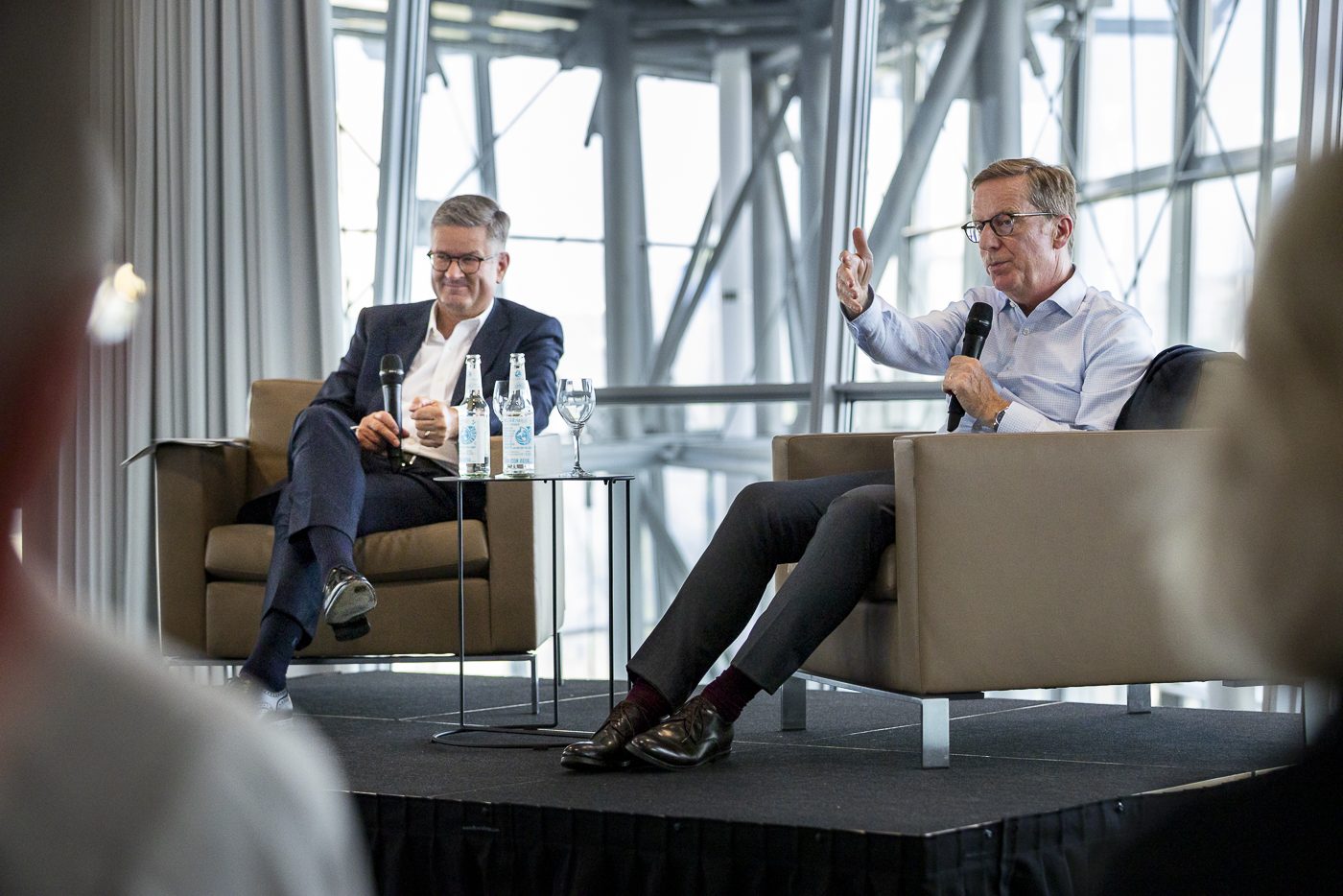
US tariffs, global recession and the future of the world economic order
Discussion with Prof. Dr. Michael Hüther: Europe must become a counterweight
Text: Undine Kugler | Event Management Officer
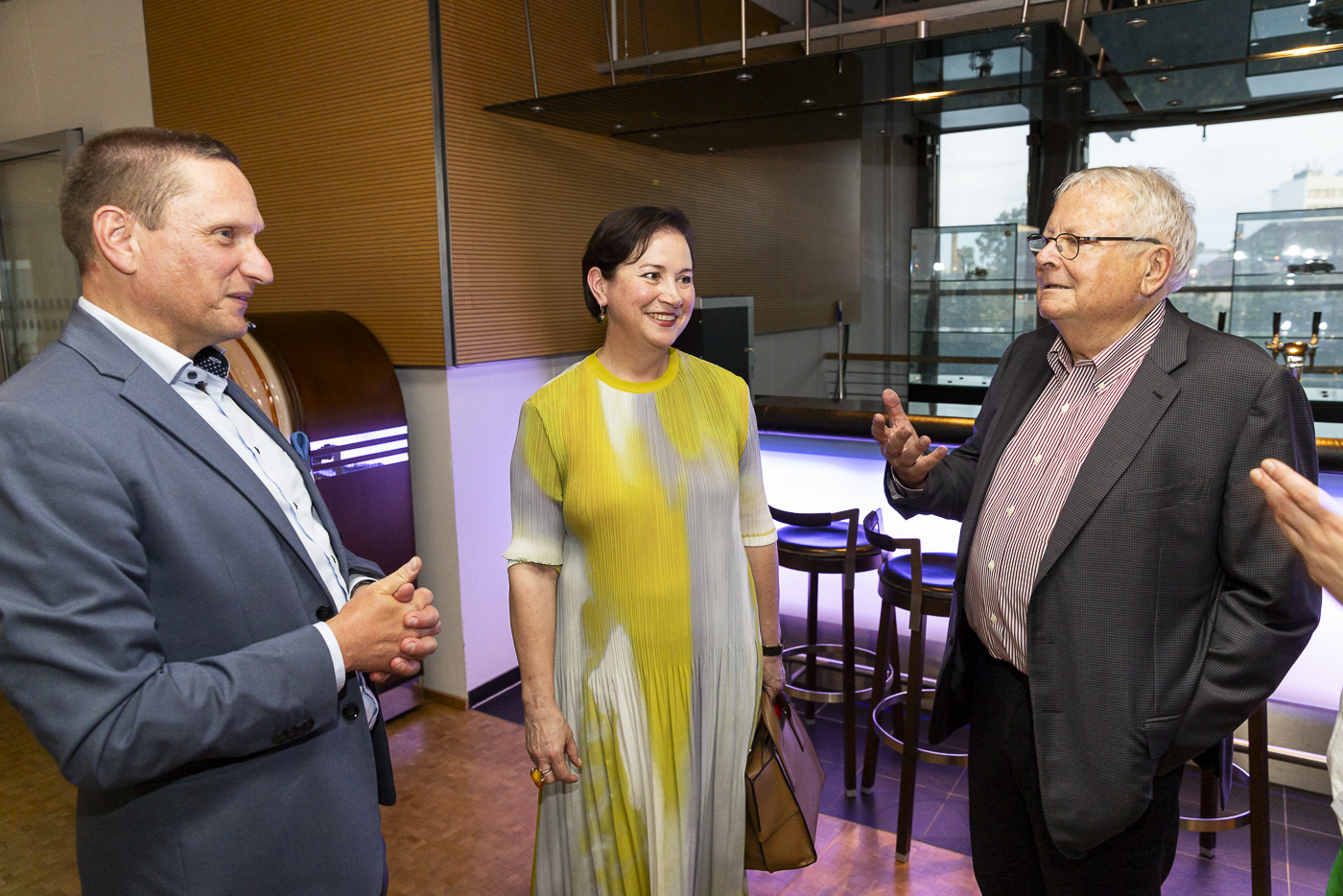
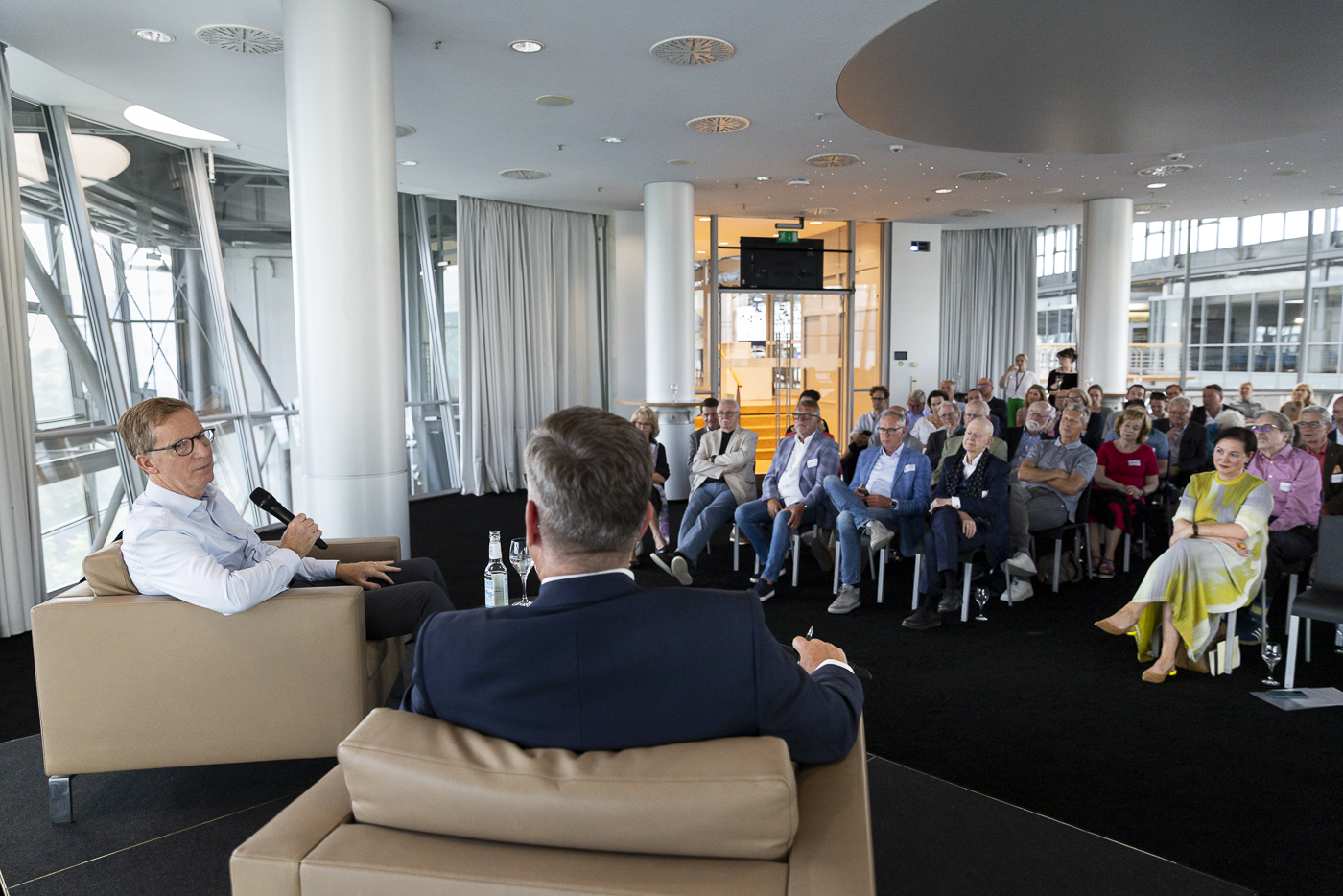
Donald Trump is back - and with him the economic policy course of isolationism. Since his re-election in 2024, the US president has once again been pursuing a protectionist agenda that is causing unrest around the world. "He is calling the entire liberal world order into question," explained Prof. Dr. Michael Hüther, Director of the German Economic Institute, at a VBKI event on the future of the global economic order.
Hard power instead of soft power - and a West in crisis
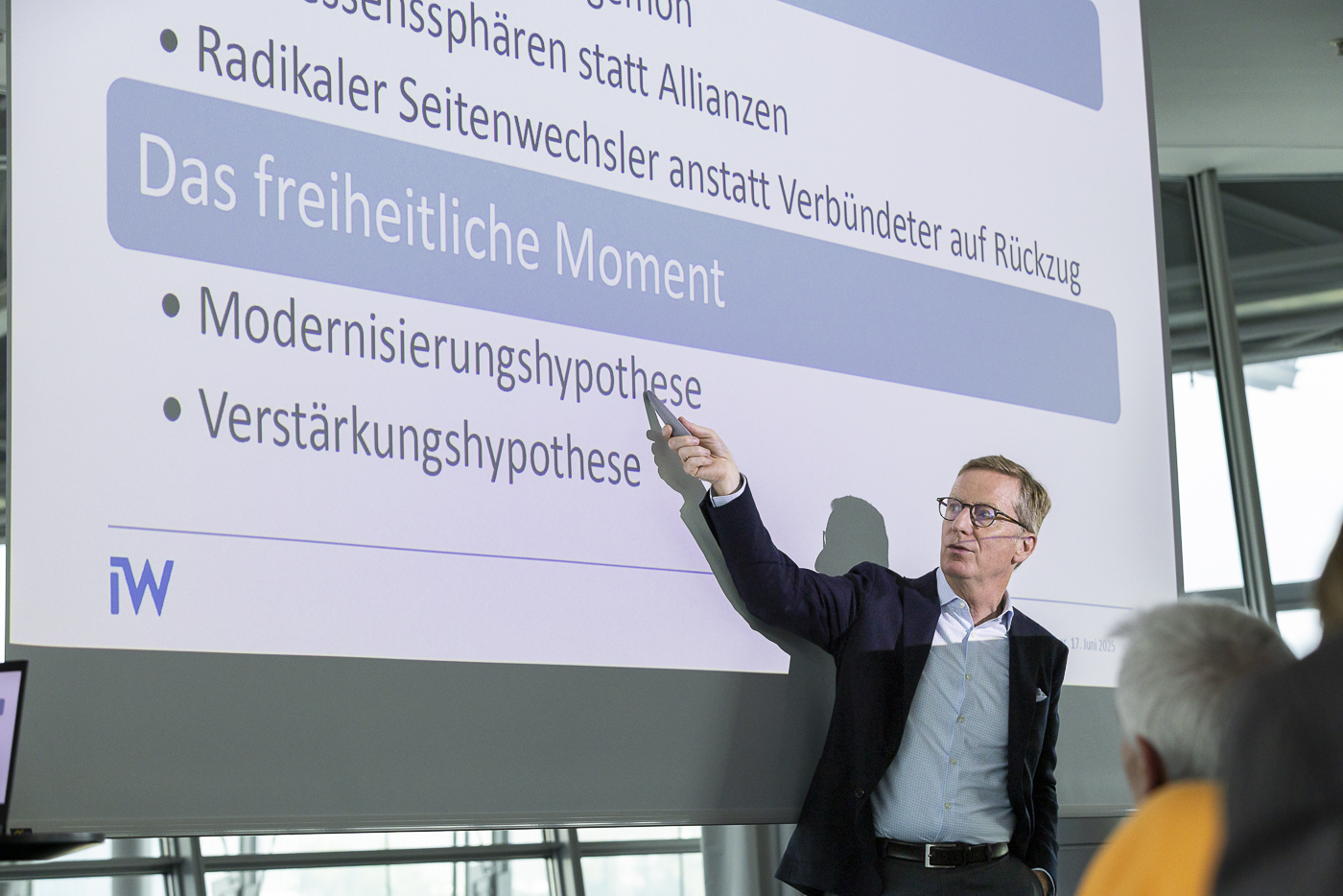
The central topic of the discussion was the shift in the geopolitical balance of power. Under Trump, the USA is increasingly relying on so-called hard power - i.e. pressure, deterrence and one-sided interest politics. The ability to exert influence through cultural attractiveness, economic strength and shared values - soft power - is becoming less important, according to Hüther.
The consequences are serious: the West is losing its binding power, alliances are crumbling, multilateral cooperation is giving way to thinking in terms of spheres of interest. "It has become questionable whether the USA can still be considered a reliable partner as a matter of course," says Hüther.
Opportunities for Europe - if it repositions itself strategically
However, the crisis of globalization also holds opportunities - especially for Europe. Hüther called for the EU itself to become a soft power and become more economically, politically and culturally independent. "Europe must form a normative counterweight to authoritarian models such as China or Russia," he pleaded.
To achieve this, Europe must systematically build on its strengths: Openness, cultural attractiveness, unity in diversity and economic stability. The development of an efficient capital market is also key. Because while Europe and the USA are losing market share, China and Russia are gaining increasing influence in the global South.
Companies should no longer wait and see
Michael Salcher, member of the VBKI Executive Committee and moderator of the evening, also called for a reorientation. Many companies in Germany were holding on to their close economic ties with the USA - out of caution, but also out of habit. "They often operate in wait-and-see mode instead of critically examining the changed geopolitical reality," said Salcher.
After de-risking comes de-coupling
To conclude, Hüther took a look into the future: following the de-risking of China - i.e. the attempt to reduce economic dependencies - a gradual de-coupling from the USA could now also be imminent. Europe must emancipate itself strategically in order to be able to continue shaping the global economy in the future.
The global economic order is at a turning point. Europe's responsibility is growing as the USA withdraws from multilateral structures. It is now important to strengthen its own ability to act - and to establish a convincing counter-model to the authoritarian world order.
Impressions
To the picture gallery: Please click here>
You might also be interested in
Joint declaration
Berlin's business community backs Olympic bid
Excellence, networking and the courage to change
Healthcare capital Berlin: expert panel discusses paths, hurdles and opportunities
Warsaw - twin city and role model for Berlin
Opinion piece by Kirsten Giering and Johannes von Thadden