
Excellence, networking and the courage to change
Healthcare capital Berlin: expert panel discusses paths, hurdles and opportunities
Text: Sebastian Thomas | Head of Communications and Marketing
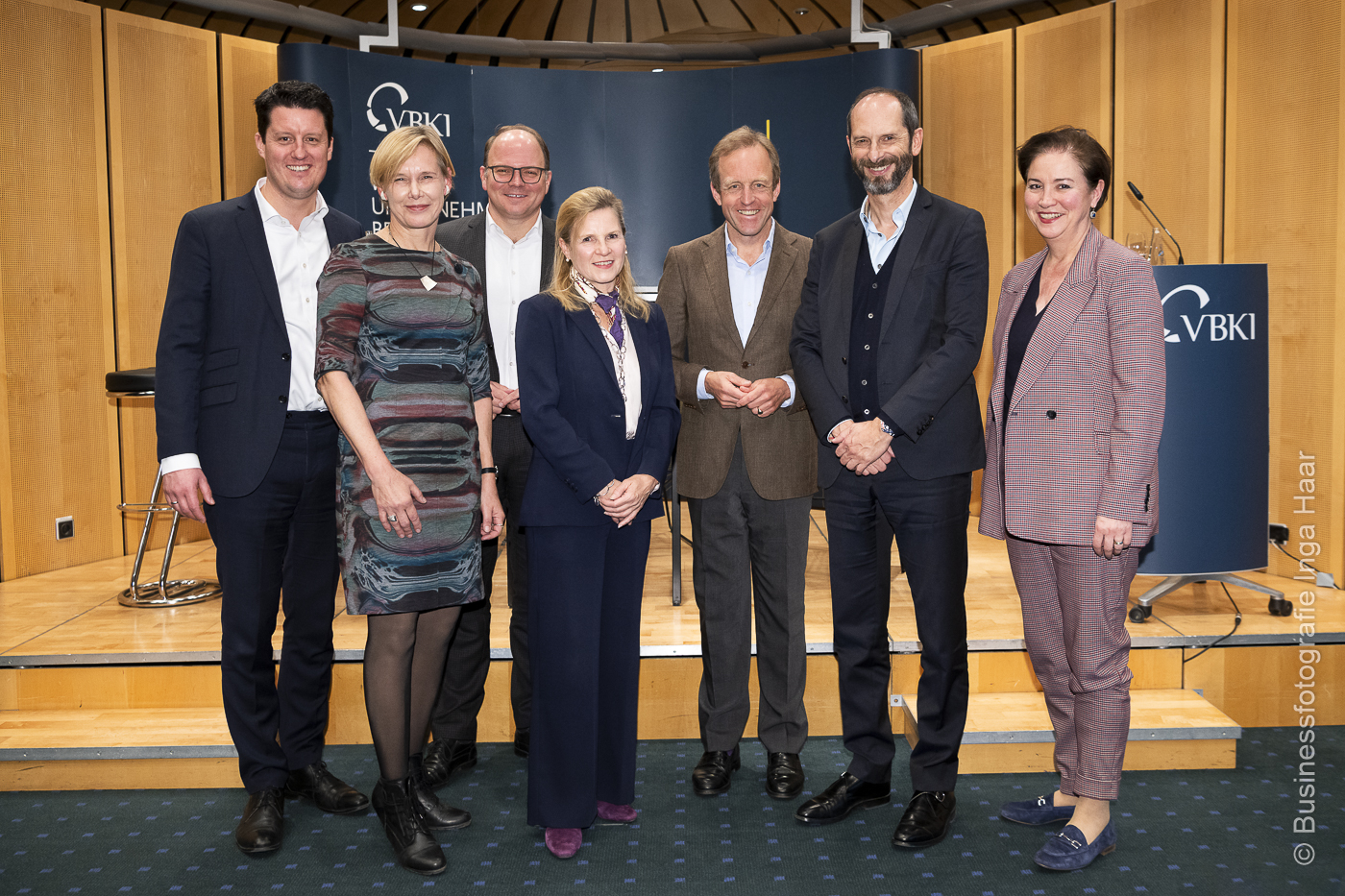
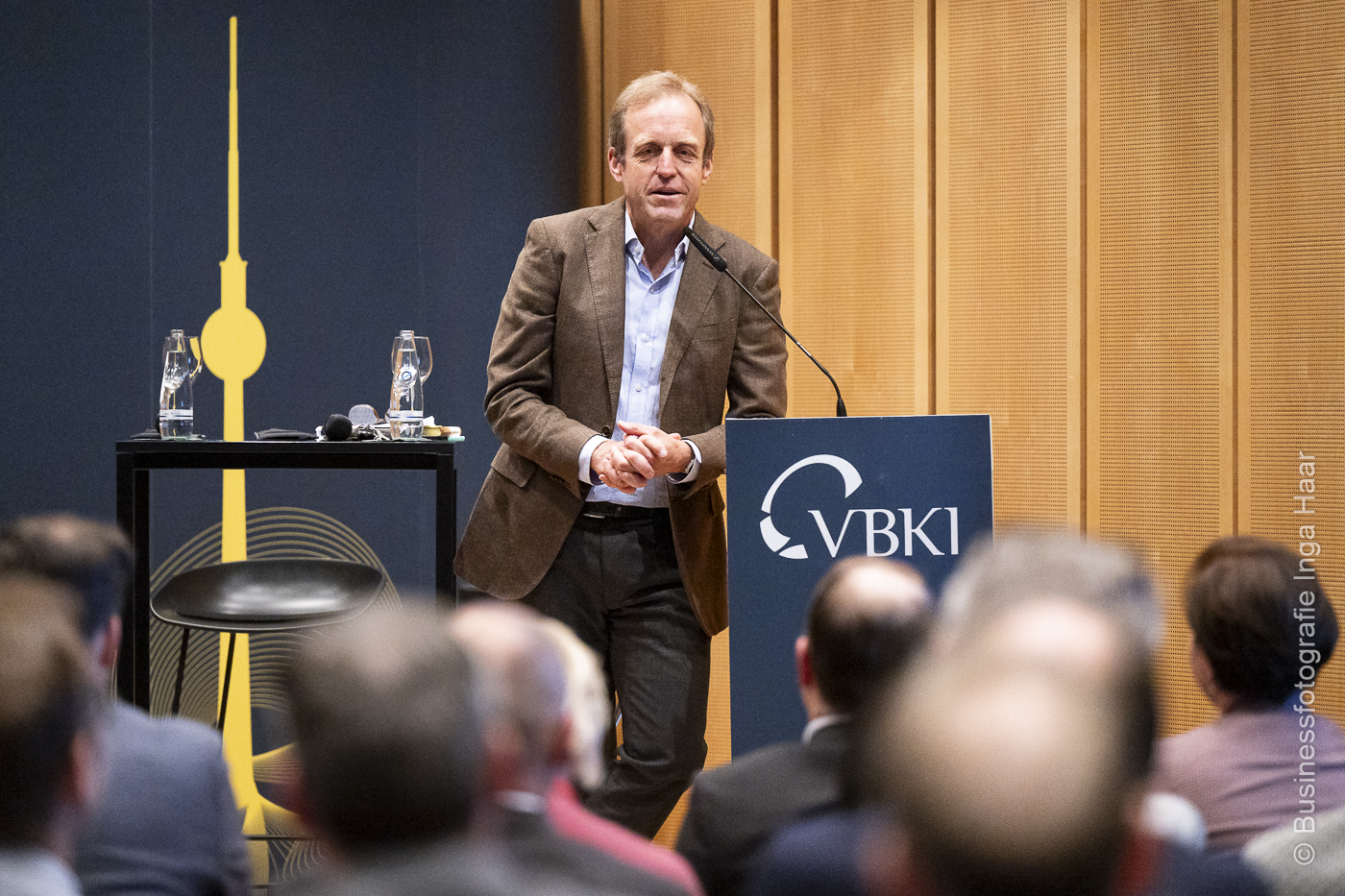
How can Berlin use its outstanding medical and scientific expertise to become the European health capital? This question was the focus of a VBKI discussion panel with renowned healthcare experts. The evening was moderated by Dr. Harald Hasselmann and Simon Batt-Nauerz, who both chair the VBKI Health Committee. To kick things off, Harald Maas (KPMG) outlined the key challenges facing the German healthcare sector in general and Berlin in particular to around 80 members and friends of the VBKI: Berlin must become bolder in spin-offs and more pragmatic in dealing with regulation. The pandemic has shown the importance of a dense supply network - at the same time, investments in cyber security, infrastructure and resilience are urgently needed. In view of geopolitical crises, it is also important to rethink the city as a location for research and innovation. "We need to broaden our perspective and make Berlin attractive as a research city," said Maas.
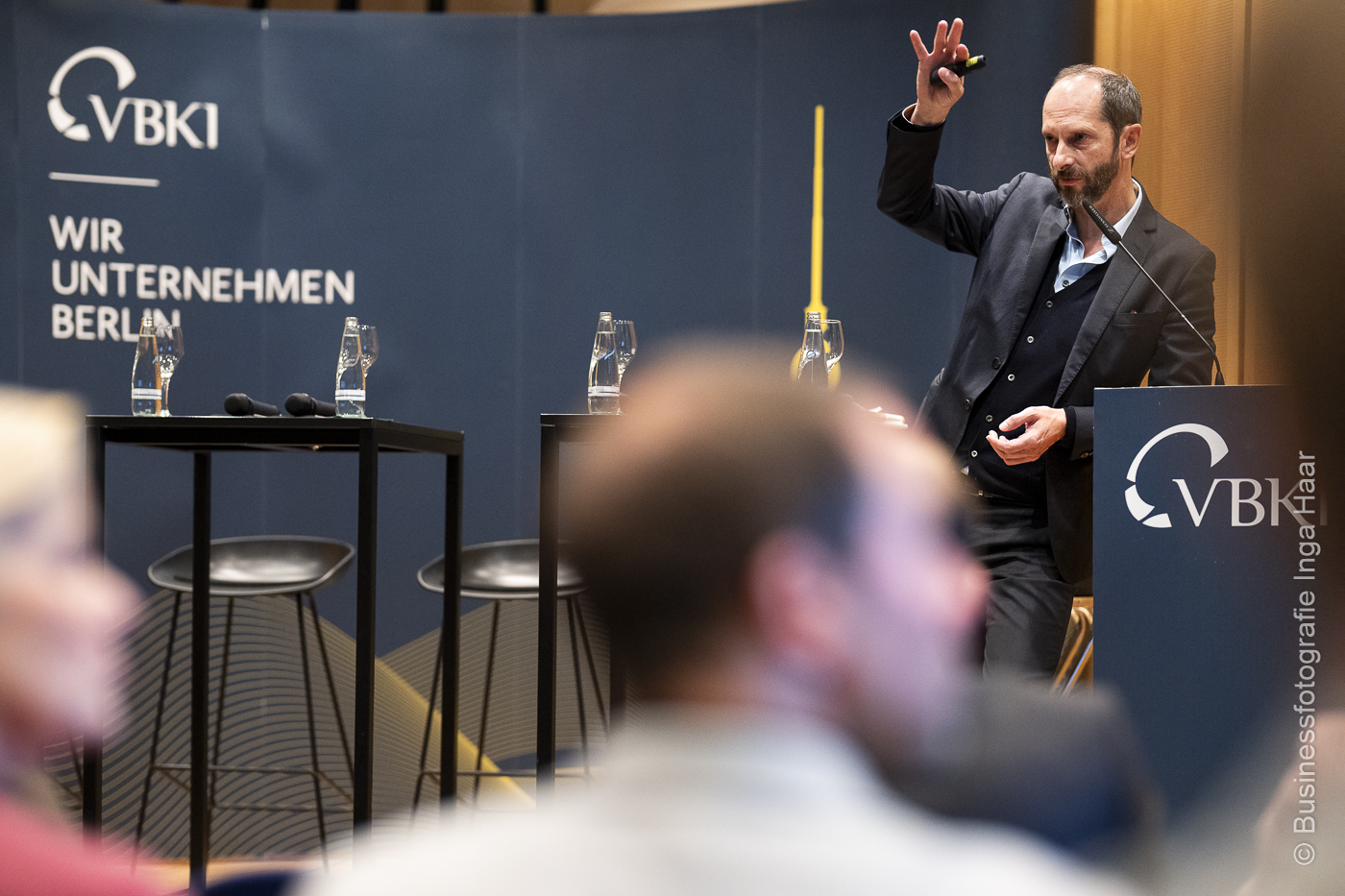
Astrid Lurati (Director of Finance and Infrastructure, Charité - Universitätsmedizin Berlin), Dr. Christina Quensel (Managing Director, Campus Berlin-Buch GmbH) and Alexander Föhr (Head of Berlin Office, Heidelberg University Hospital) then took to the podium to discuss cutting-edge medicine, innovation networks and the framework conditions of a modern healthcare metropolis.
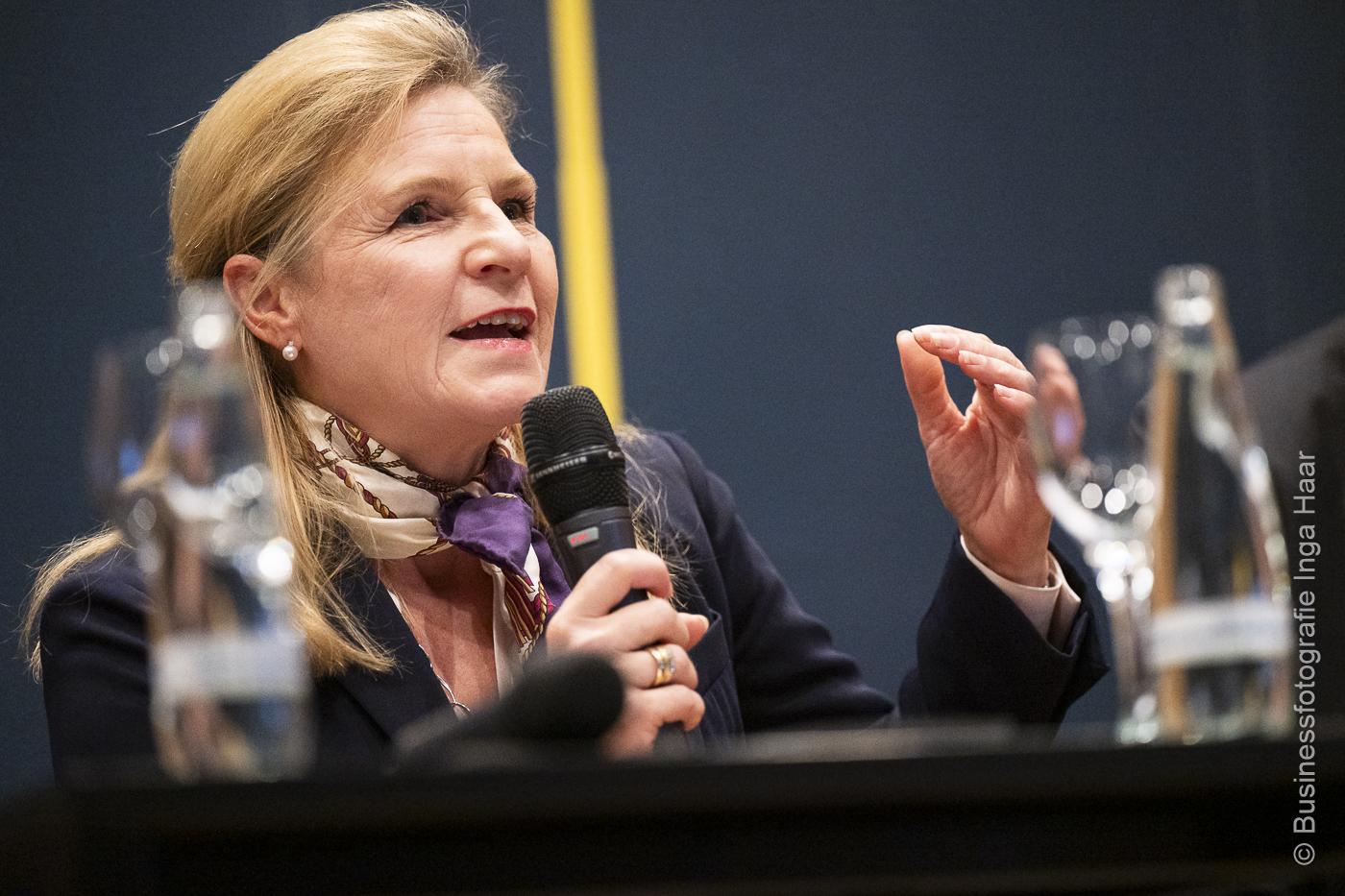
"We want to play in the Ivy League of top European healthcare," emphasized Astrid Lurati. According to Newsweek rankings, Charité is one of the best hospitals in the world - 7th place globally, 2nd place in Europe, 1st place in Germany. In order to maintain this position, reliable structures, long-term planning security and adequate funding are needed. Volatile legislation and scarce resources make development more difficult. Investments in infrastructure and housing are just as important to attract international talent to Berlin: "Attractiveness alone is not enough - it must be structurally supported."
Dr. Christina Quensel used the example of Campus Berlin-Buch to show just how dynamic Berlin already is as a location for innovation. A closely networked ecosystem of research, start-ups and industry is emerging there. Particularly noteworthy: the new cell and gene center at Nordhafen, a cooperation between Charité and Bayer. Planned and approved in record time, it is due to go into operation in 2028. With laboratory space, GMP facilities and incubator structures, a beacon project for translational medicine is being created - a nucleus for the "Boston on the Spree".
Quensel also emphasized the need for more venture capital and entrepreneurial courage in order to turn research results into marketable innovations more quickly. Access to capital is much more difficult in Europe than in the USA. 80 percent of financing in the healthcare sector comes from the United States - Biontech was also financed via Nasdaq. As long as Europe does not create a comparably efficient capital market, it will be difficult to retain companies in the long term. "What we lack is a genuine European capital market," says Quensel. At the same time, programs are needed that promote serial start-ups - for example through matchmaking formats with experienced founders.
Berlin has excellent conditions - from internationally recognized cutting-edge medicine to strong research institutions and a growing start-up scene.

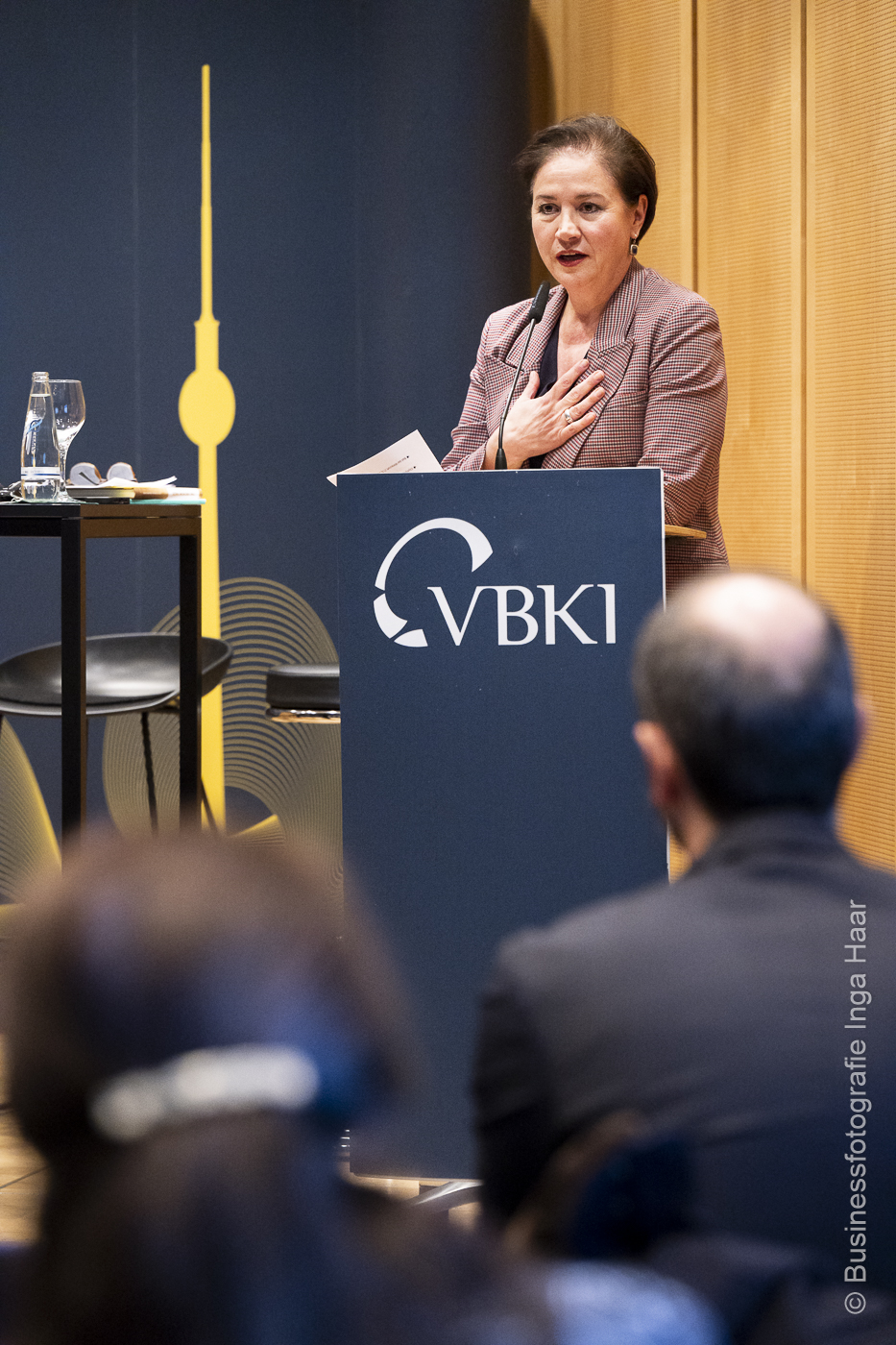
According to Astrid Lurati, there is also movement when it comes to international specialists: The so-called "Trump effect" has led to more US academics showing an interest in Berlin. However, remuneration structures in Germany are not very competitive internationally and the infrastructure in many places is in a deplorable state. "We need to invest - it is a sad development that it seems more important to plant trees than to invest in science and infrastructure," says Lurati. In addition, the language barrier remains an obstacle in the clinical field. In the USA, it is easier for researchers to start spin-offs and thus also be financially successful - a decisive locational advantage that Europe still has to catch up on.
From a federal policy perspective, Alexander Föhr warned that Germany's strong research landscape was being held back by bureaucracy and overregulation. Clinical studies were increasingly moving abroad. "We need to stop creating gold-edge solutions and start acting pragmatically," said Föhr. Collaborations such as the new Heidelberg-Mannheim Hospital Association could serve as a model for leveraging synergies and using data more efficiently. Digitization must also be driven forward more decisively - from electronic patient files to the secure use of health data.
In addition to investments in infrastructure and technology, a cultural rethink is also needed, according to the panelists. "In New York, everyone says: 'We can do it' - we also need this mindset in Berlin," demanded Lurati. The healthcare sector has enormous resources at its disposal, but it is crucial to allocate them in a targeted manner and to have the courage to break new ground.
The conclusion of the evening: Berlin has excellent prerequisites - from internationally recognized cutting-edge medicine to strong research institutions and a growing start-up scene. However, in order to become the European healthcare capital, it needs courage, investment and decisive political decisions. Or, as Astrid Lurati summarized it: "We have all the prerequisites - now we have to use them."
Impressions
To the picture gallery: Please click here>
You might also be interested in
Joint declaration
Berlin's business community backs Olympic bid
Warsaw - twin city and role model for Berlin
Opinion piece by Kirsten Giering and Johannes von Thadden
10 measures: How Berlin will become Europe's health capital
VBKI Health Committee presents action plan and launches "Berlin Health Map"