
100 days in the black-red coalition: a big gulp from the debt bottle, but little reform zeal
Room for improvement: Journalists' panel gives the Federal Government a mixed report card
Text: Sebastian Thomas | Head of Communications and Marketing
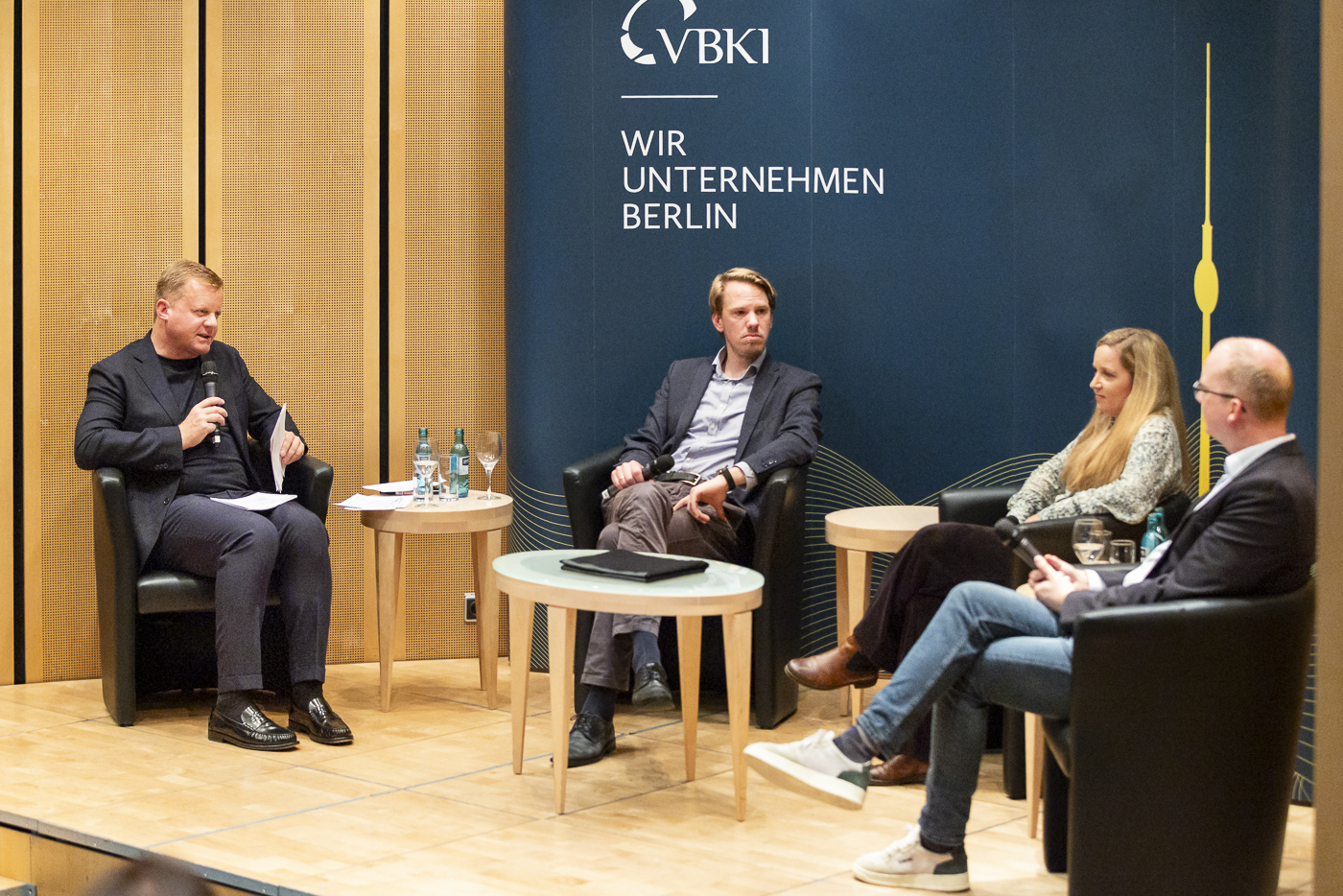
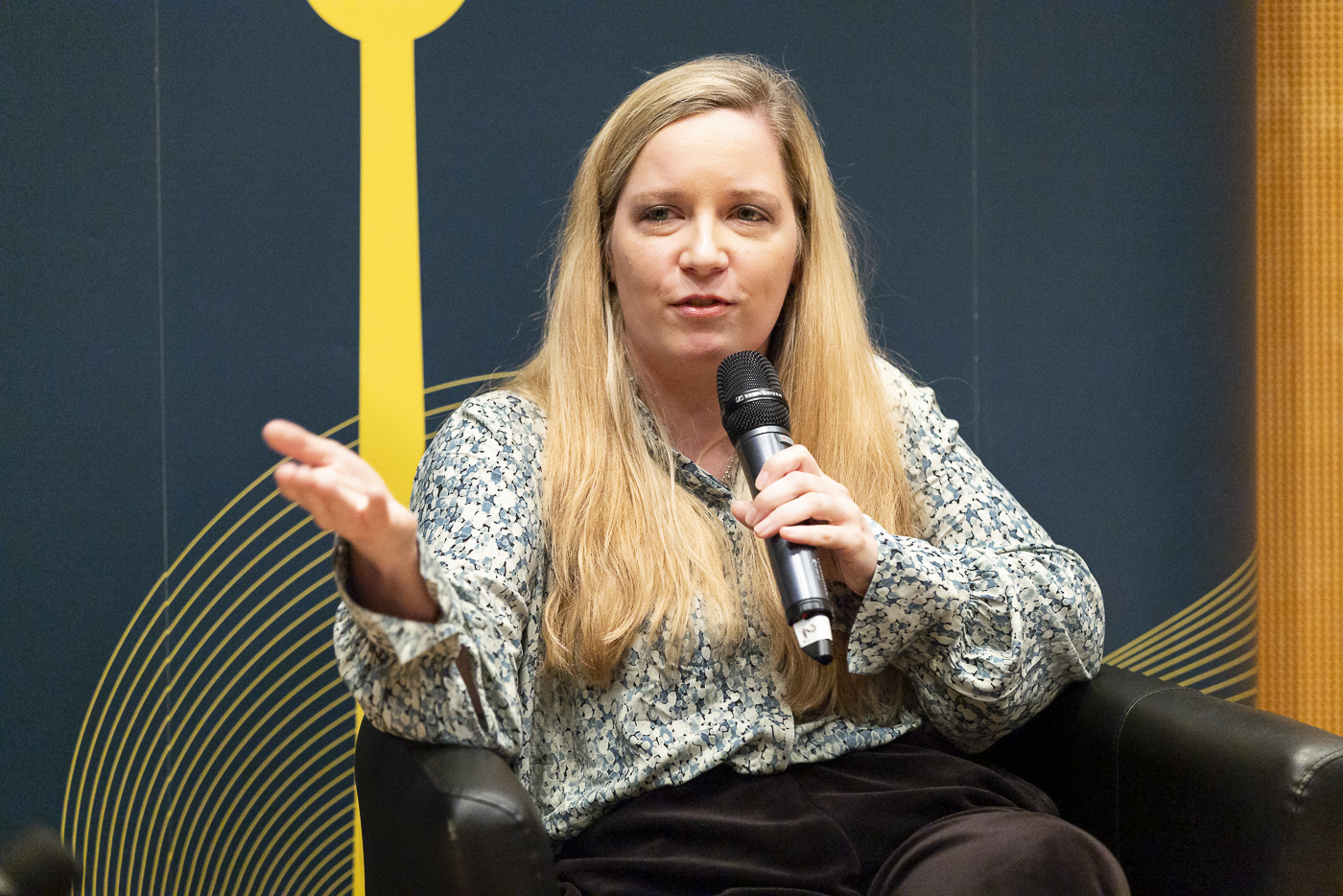
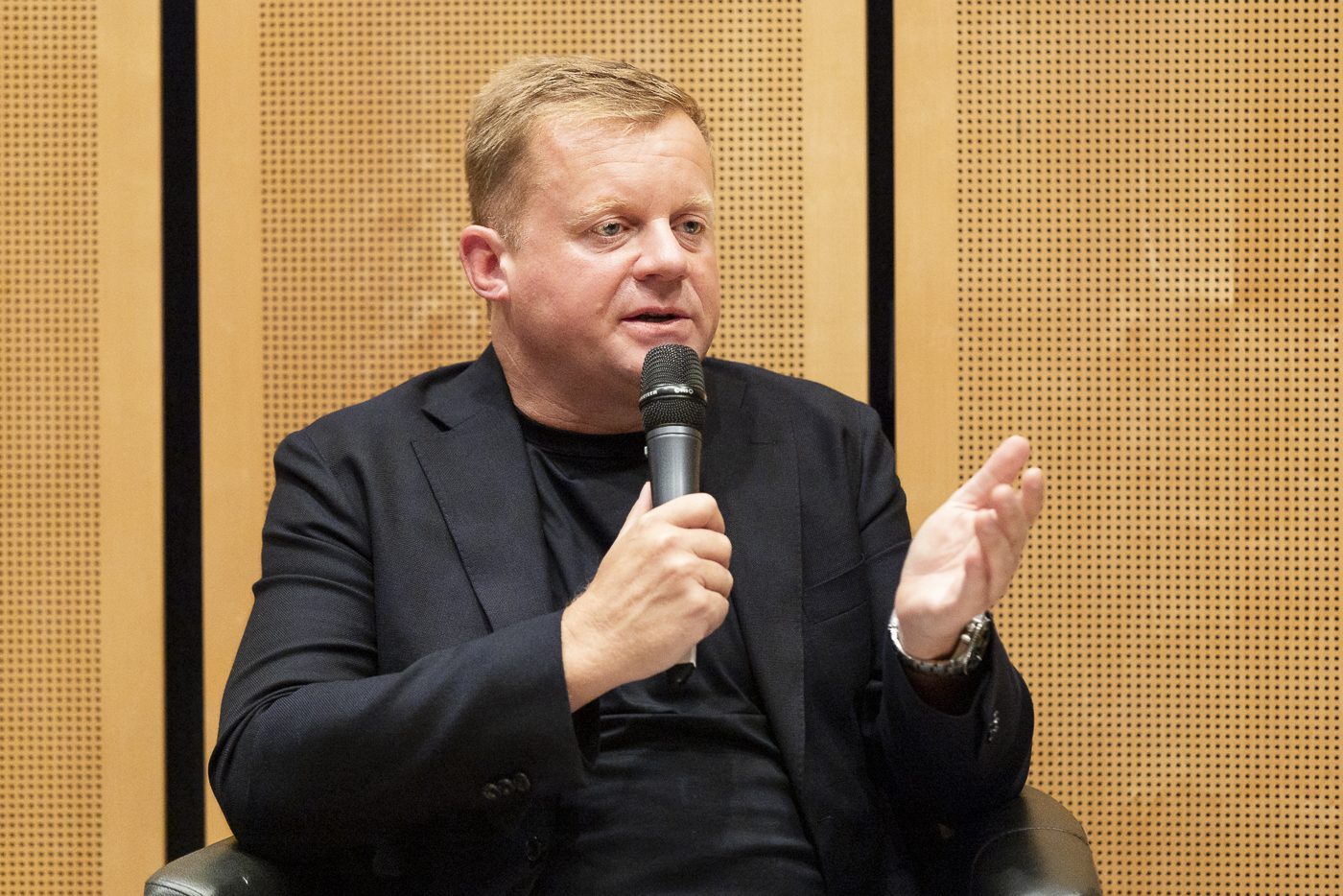
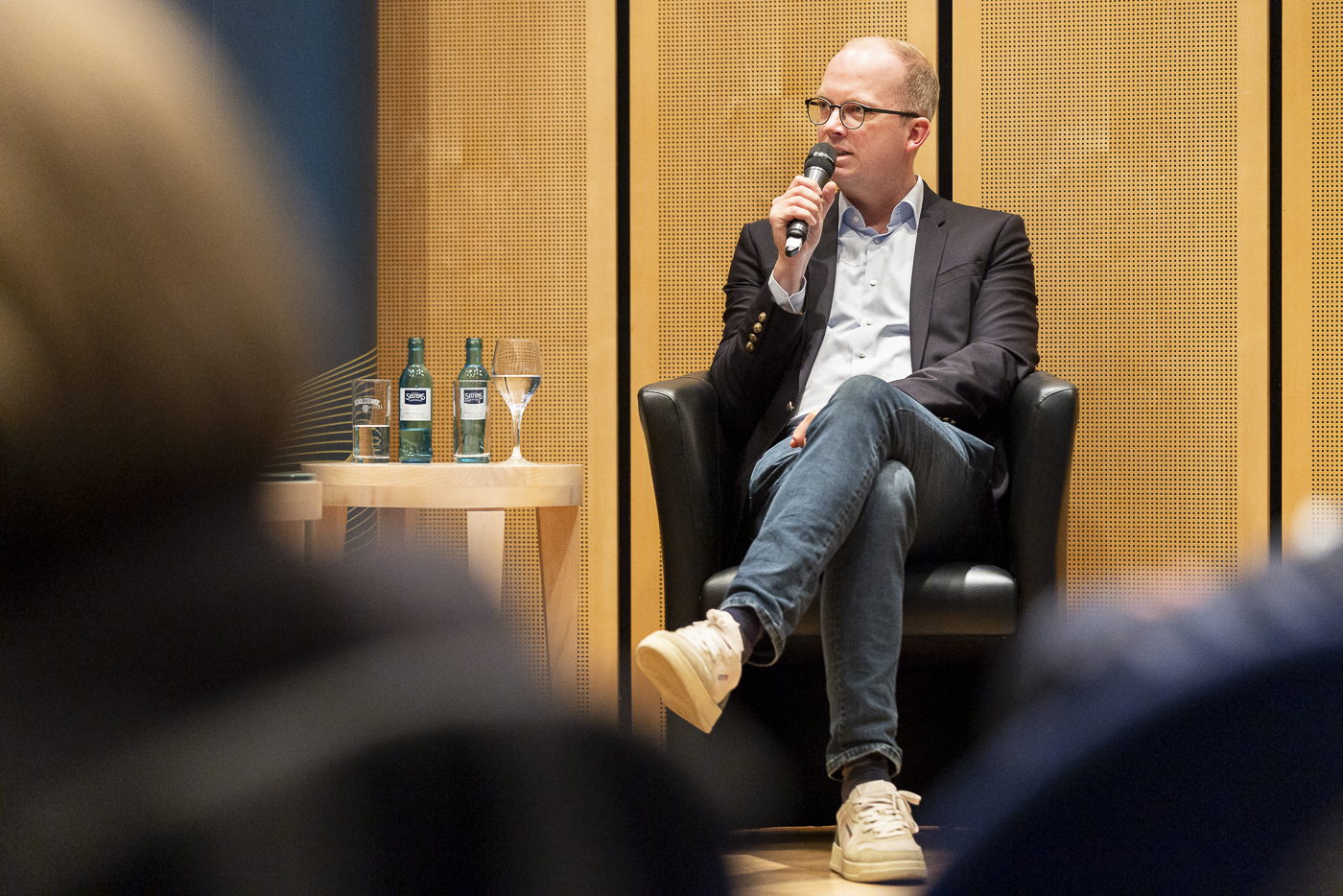
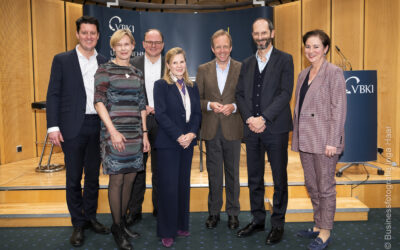
New beginnings, stagnation or a test of strength? Just over 100 days after the start of the black-red federal government, we take stock together with three distinguished capital city journalists. On the podium: Karin Christmann, deputy head of the Tagesspiegel capital city office, Sven Böll, member of the editorial board of Stern magazine, and Morten Freidel, deputy editor-in-chief of the Neue Zürcher Zeitung Deutschland. Marc Bator, German news anchor and editor, known to many as the face of the Tagesschau, moderated the discussion.
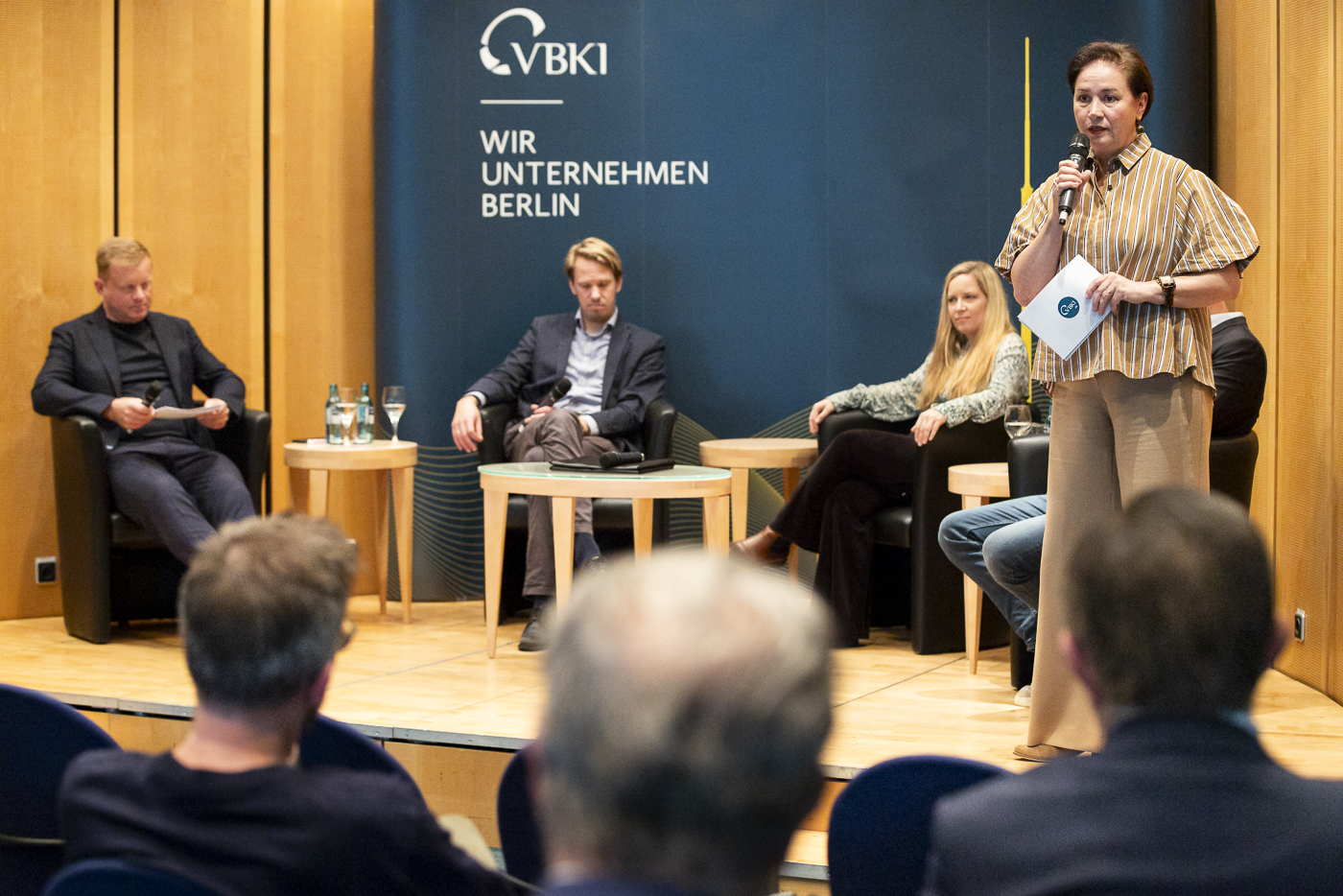
After the welcome address by VBKI Managing Director Ute Weiland, it quickly became clear that the coalition is falling well short of the expectations raised during the election campaign. Marc Bator referred to a survey from August, according to which only around 29% of the population are satisfied with the coalition's work, while almost 70% are dissatisfied. The report of the three panelists was also correspondingly mixed.
Mixed grades for the government launch
Karin Christmann awarded a "benevolent three minus to four plus" and referred to gross technical errors such as the chaos surrounding the election of the chancellor and fierce conflicts surrounding Frauke Brosius-Gersdorf's candidacy as a judge. Sven Böll resorted to a "realistic three plus" - and recalled that the general expectation of government action was still shaped by the stable party system of the 1970s. However, the current coalition of the CDU/CSU and SPD only made it over the 50 percent hurdle "by the skin of its teeth". Morten Freidel praised the Chancellor's foreign policy role and the clear change of course in migration policy, but criticized the fact that hardly any forward-looking economic policy reforms had been initiated.
Reform backlog, faith in the state and lack of personal responsibility
The debate focused on the dramatic need for reform in Germany. According to the criticism, the federal government decided on expensive measures right at the start - such as the mothers' pension - but postponed structural changes. Important projects have been put on the back burner or outsourced to commissions. At the same time, there is the threat of a billion-euro hole in the budget in 2027.
However, in order to understand the reasons for the uncertainty in the country, it is necessary to dig deeper, according to the panel: Morten Freidel emphasized that it is not only politics that needs to change, but also the expectations of citizens. "There is a great deal of faith in the state," he said. "We need a new regulatory framework. Now would actually be the time for liberals." The state must set clear guidelines, but not regulate every area of life. The current understanding that the state always steps in when difficulties arise ultimately strengthens the populists.
Karin Christmann also called for a radical rethink. The way in which the welfare state has established itself reduces personal responsibility: "The state crams you out." She also referred to the "gigantic backlog" in digitalization. The processes that could be used to catch up are themselves overregulated.
Capacity for reform: the courage to reinvent
The most recent administrative reform in Berlin, which showed that progress is possible, could certainly serve as a model. However, Sven Böll saw a "fundamental error in thinking" in the area of digitalization: instead of thinking about new processes, analogue processes are simply being transferred to digital. "I don't see anyone thinking about what a process could look like if we started from scratch."
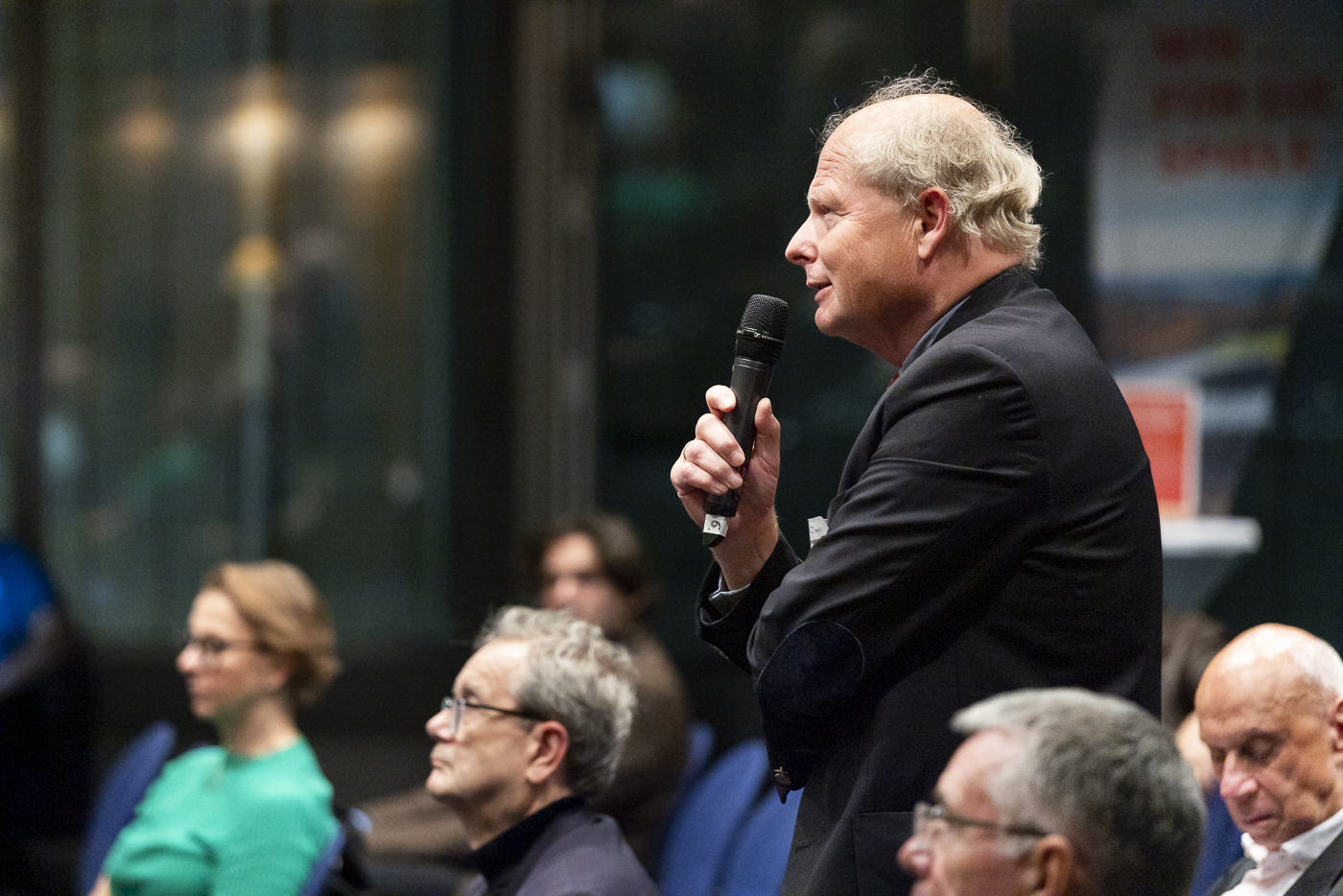
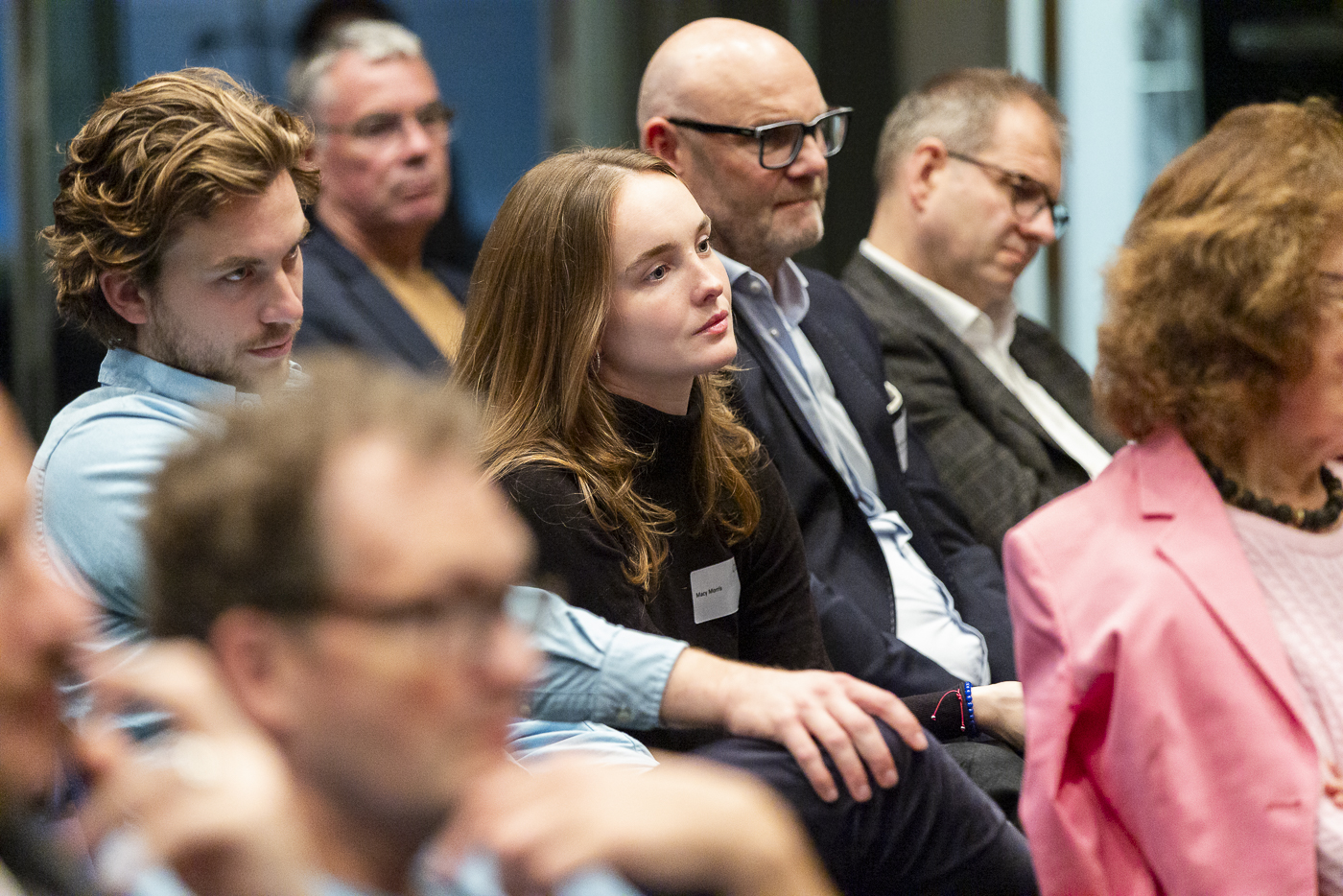
Whether Germany is still capable of major reforms was the subject of intense debate. Freidel was optimistic: "Of course Germany can reform, keyword Hartz IV." The problem lies more in the current political constellations. "We are not making policy from a single mold, but have two partners with very different points of view. How are social democrats supposed to renew themselves in terms of content after so many years in government?" According to Freidel, the SPD has been in power for all but four years since 1998. In his view, the CDU has also missed out on exploring new options - for example through talks with the AfD, as provocative as this idea may be.
Pension dispute
The pension system was discussed particularly intensively. Christmann doubted that models such as the so-called active pension, which are intended to make working longer more attractive, could really cushion the demographic problems. Instead, she fears deadweight effects. Freidel also spoke of a "policy by older people for older people" that would leave future generations with a high financial burden.
Migration policy on a new course
A real change of course, on the other hand, can be seen in migration policy. According to Freidel, the coalition has actually delivered here: The welcome culture is over. Nevertheless, the new course has considerable potential for conflict. Christmann referred to tensions within the SPD, which became apparent when family reunification for people entitled to subsidiary protection was stopped, for example. Böll warned that the impact of this change of course - and therefore the political effects - would only be felt in a few years' time.
Political culture and populism
The state of political culture and how to deal with populism were also discussed intensively. According to Böll, the impression of a loss of government control is widespread in large parts of the population. This feeling is fed by endless planning times for even small infrastructure projects and an enormous backlog in digitalization. Such experiences are also fueling the AfD, which has firmly established itself in many places and is no longer just a protest party.
Freidel nevertheless pleaded for calm: populism is a phenomenon in all Western democracies and more realistic expectations of the state's performance are needed. Christmann, on the other hand, warned against political tippy-tappy steps - measured against the major problems - which would further exacerbate the loss of trust. The panel remained divided as to whether the "firewall" to the AfD propagated by the CDU could last in the long term. While Freidel described an opening of the CDU/CSU to the right along firmly defined red lines as an interesting experiment, Christmann clearly rejected such concrete considerations. However, all panelists agreed that the pressure on the CDU increases with every additional percentage point the AfD gains.
Foreign policy strength - domestic policy weakness
The three observers were unanimous in their positive assessment of the Chancellor's foreign policy. Christmann attested that he cut a good figure as "foreign chancellor", for example in his efforts to keep NATO together and strengthen the EU. Böll emphasized his pro-European stance. However, Freidel warned that Germany also urgently needed a "domestic chancellor" who would take care of the major reforms in his own country.
Looking ahead: Tearing test more likely than a new beginning
At the end of the event, the focus was on the future. No one wanted to speak of a new beginning. Christmann and Freidel expect more of an acid test - not only because of the growing budget deficit, but also because the major social and economic policy issues remain unresolved. Böll expects the "muddling through" to continue.
After the first 100 days, the black-red coalition faces a double challenge. Not only does it have to tackle complex economic and social problems, it also has to win back the trust of a skeptical population. Taking a big gulp from the debt bottle is no substitute for reforms - and could soon come at a high price.
Impressions
To the picture gallery: Please click here>
You might also be interested in
Joint declaration
Berlin's business community backs Olympic bid
Excellence, networking and the courage to change
Healthcare capital Berlin: expert panel discusses paths, hurdles and opportunities
Warsaw - twin city and role model for Berlin
Opinion piece by Kirsten Giering and Johannes von Thadden