
Why Germany needs to rethink
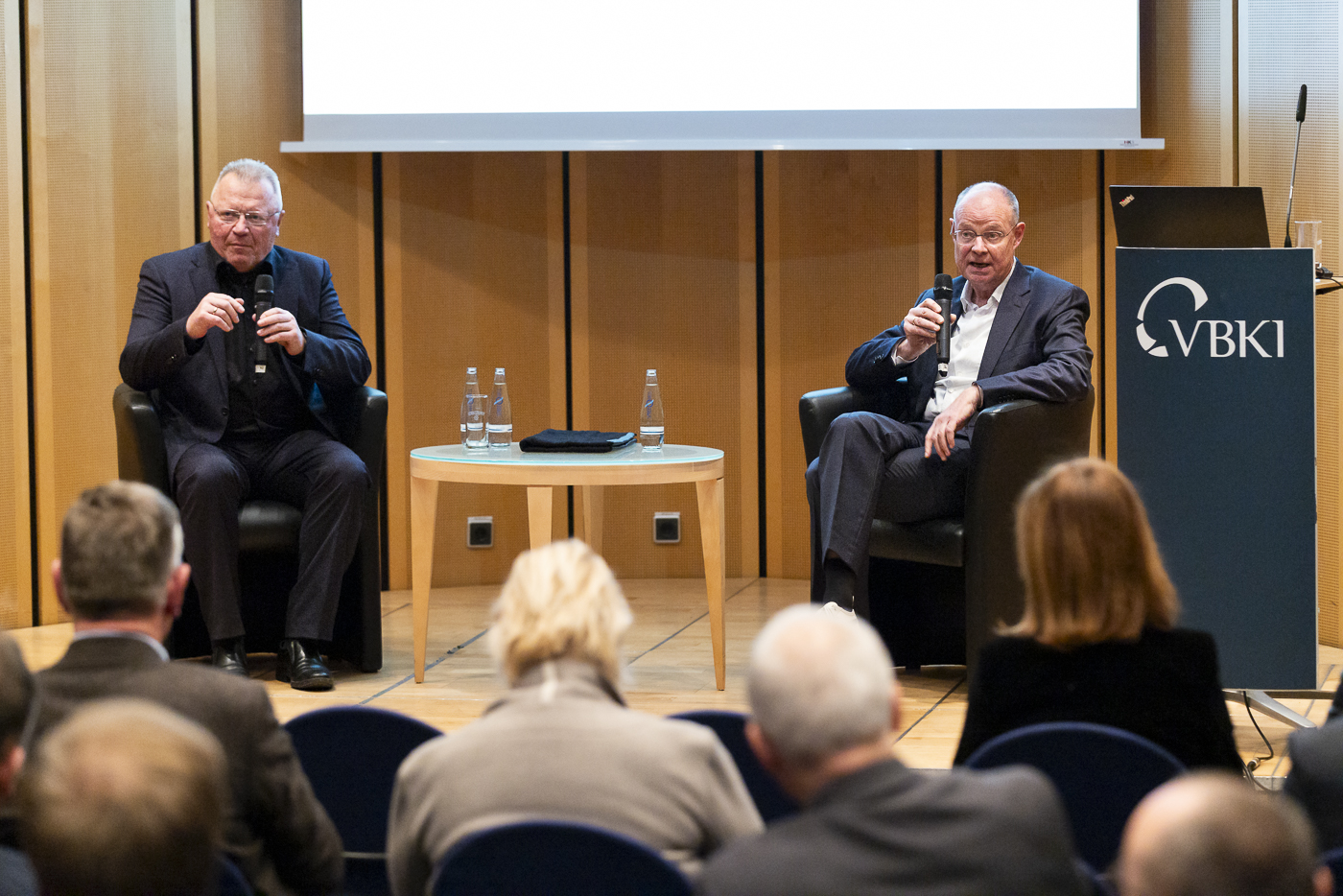
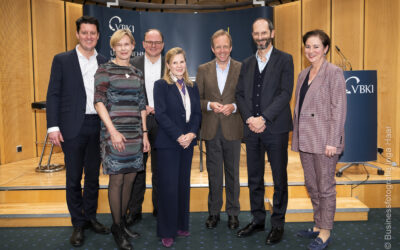
Geo-economic turning point: Prof. Dr. Eberhard Sandschneider in conversation with Michael Sauga
Text: Undine Kugler | Events Officer
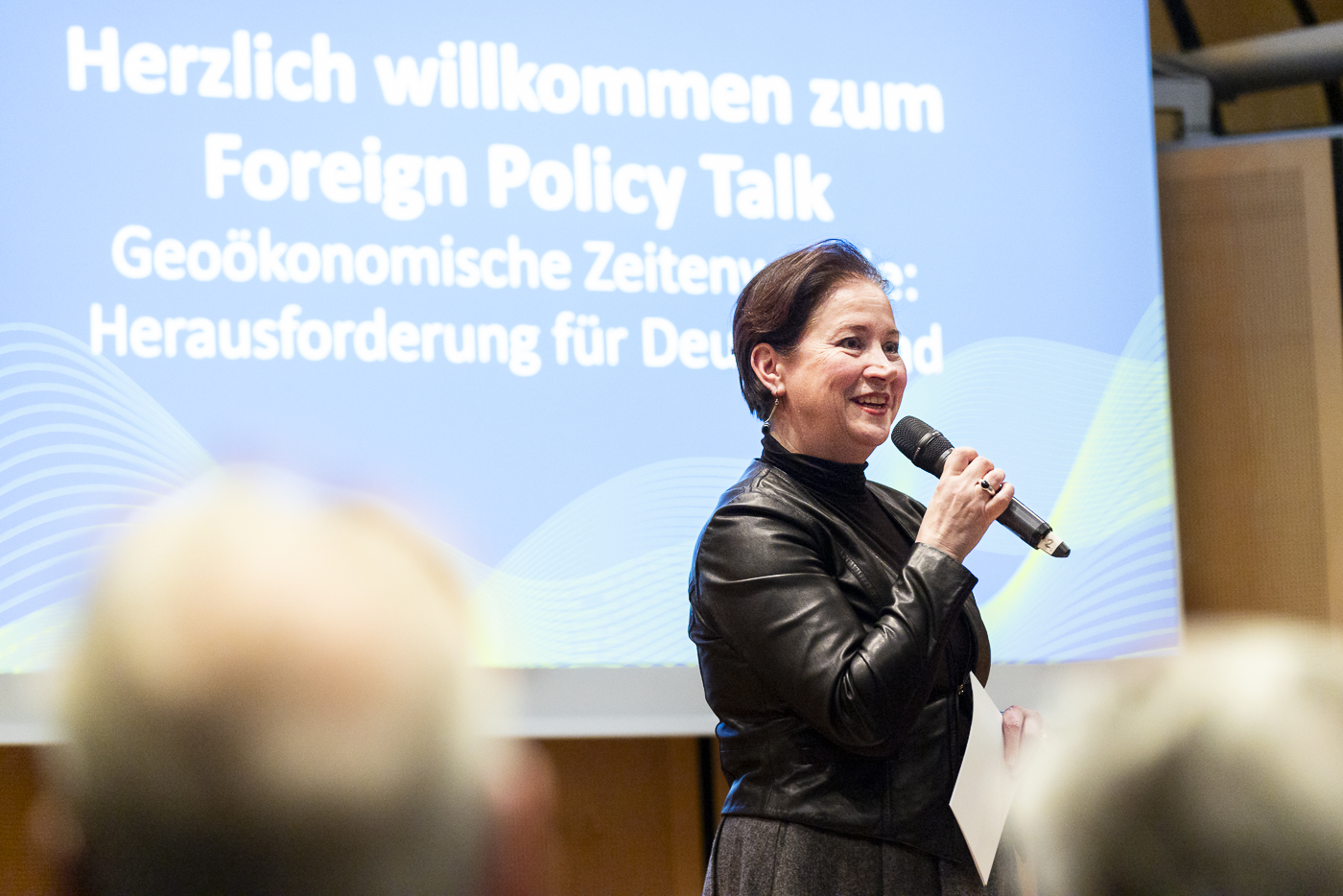
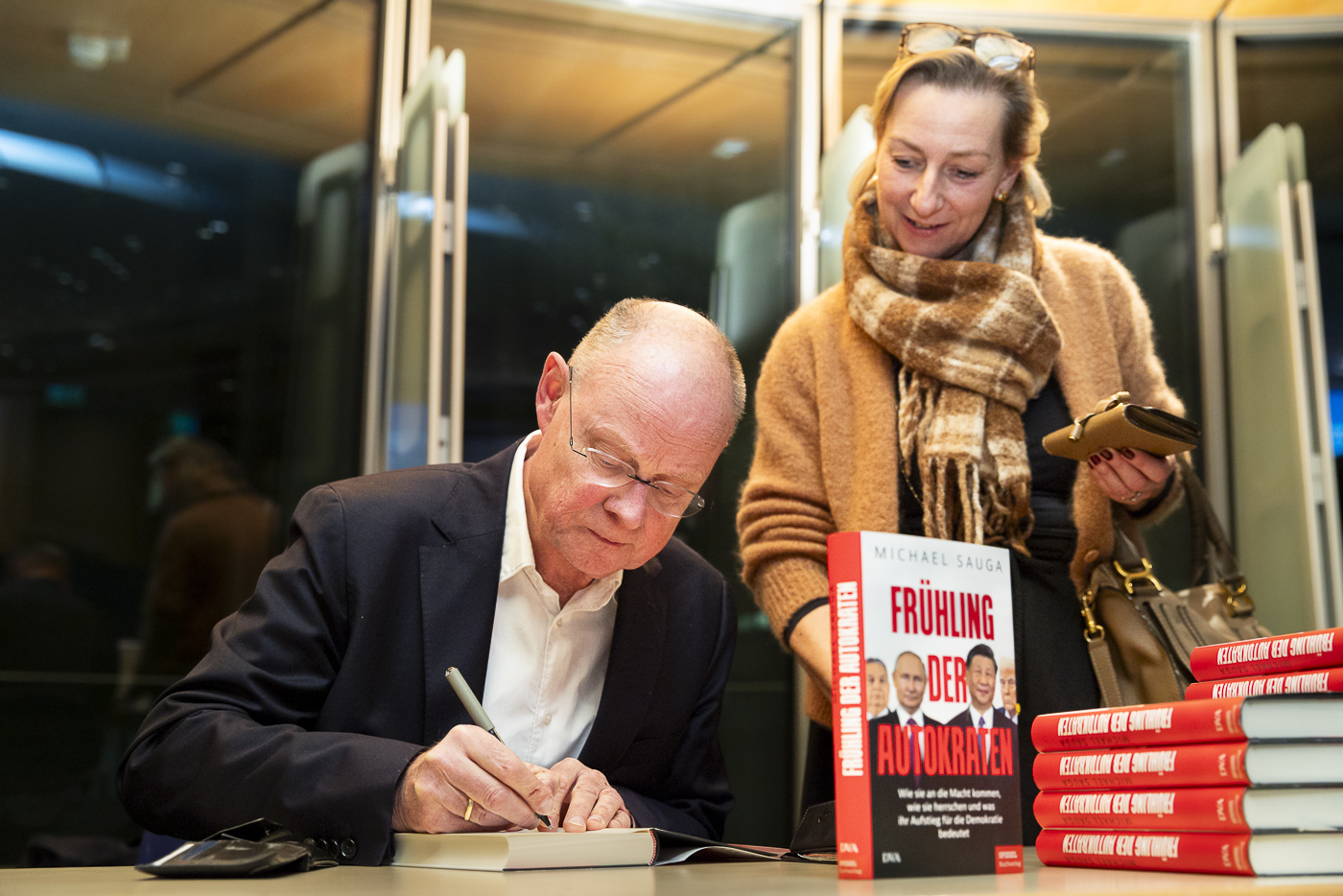
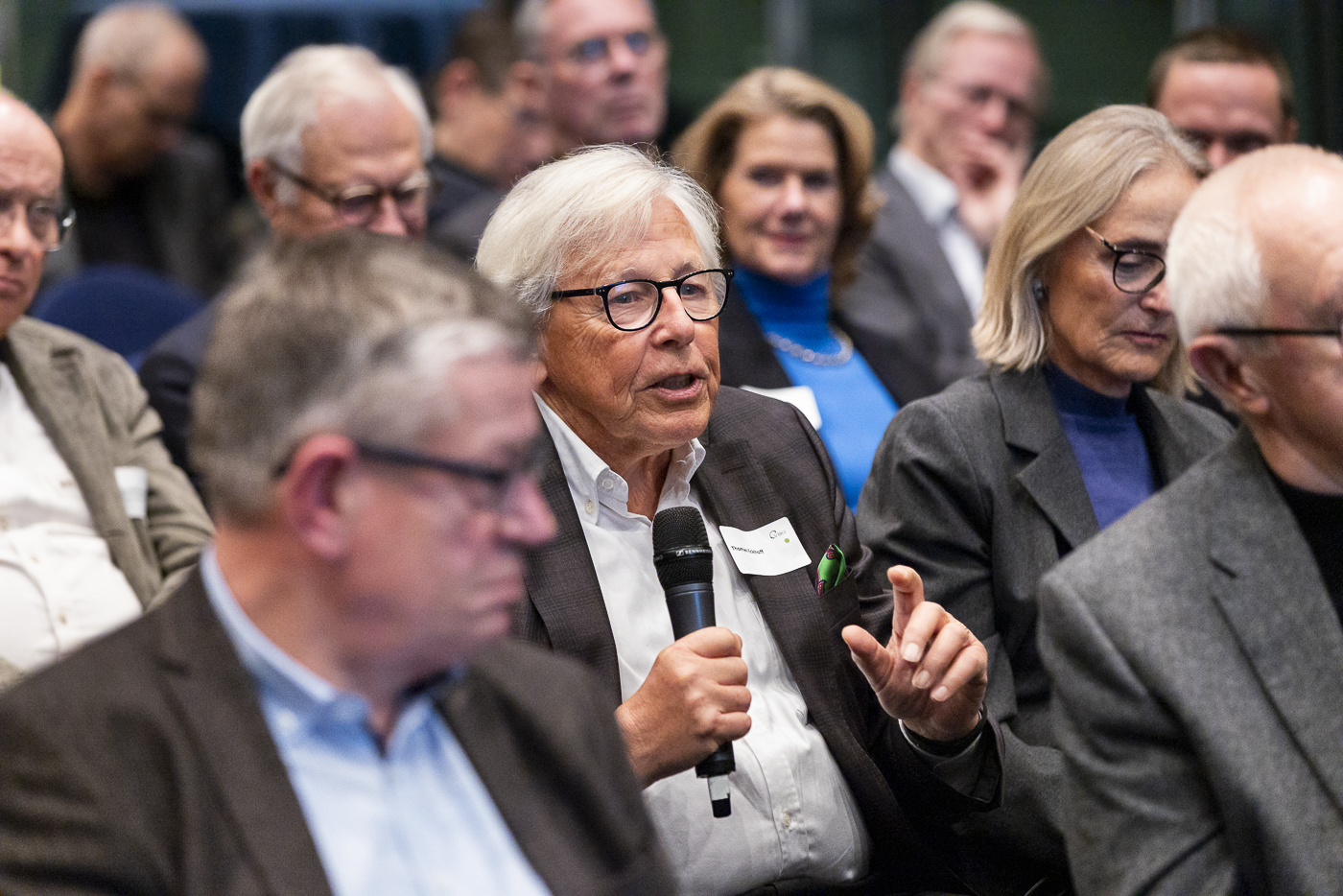
Prof. Dr. Eberhard Sandschneider opened the VBKI's first Foreign Policy Talk on the "Geo-economic Turning Point" with a clear plea for a strategic reorientation. Together with journalist and author Michael Sauga ("Springtime of the Autocrats"), he analyzed the changing global power order and discussed the consequences of these developments for Germany's economic and political future.
An economic model in transition
Sandschneider made it clear early on that Germany's previous basic security and economic policy architecture has come under pressure. He named four central pillars that have supported the German model for decades and are now losing stability:
- security policy backing from the USA,
- low-cost energy from Russia,
- technological top positions "Made in Germany",
- open and reliable export markets.
These framework conditions changed fundamentally - and, according to Sandschneider, required a strategic rethink.
China as a systemic challenge
One focus of the discussion was China's role in global politics. Sandschneider recalled recurring Western misjudgements - such as the expectation that China would democratize or permanently integrate itself into global rules. At the same time, Beijing is deliberately expanding its influence with initiatives such as Belt and Road or the BRICS+ format. The result is an increasingly multipolar order that challenges the room for maneuver of Western states.
Deglobalization and new security logics
Economic policy models are also undergoing change. Concepts such as nearshoring, friendshoring and de-risking are increasingly shaping strategic debates. Efficiency is increasingly taking a back seat to security policy considerations. Supply chains and key technologies are becoming political - especially in the technological competition between the USA and China.
Autocratic systems on the rise
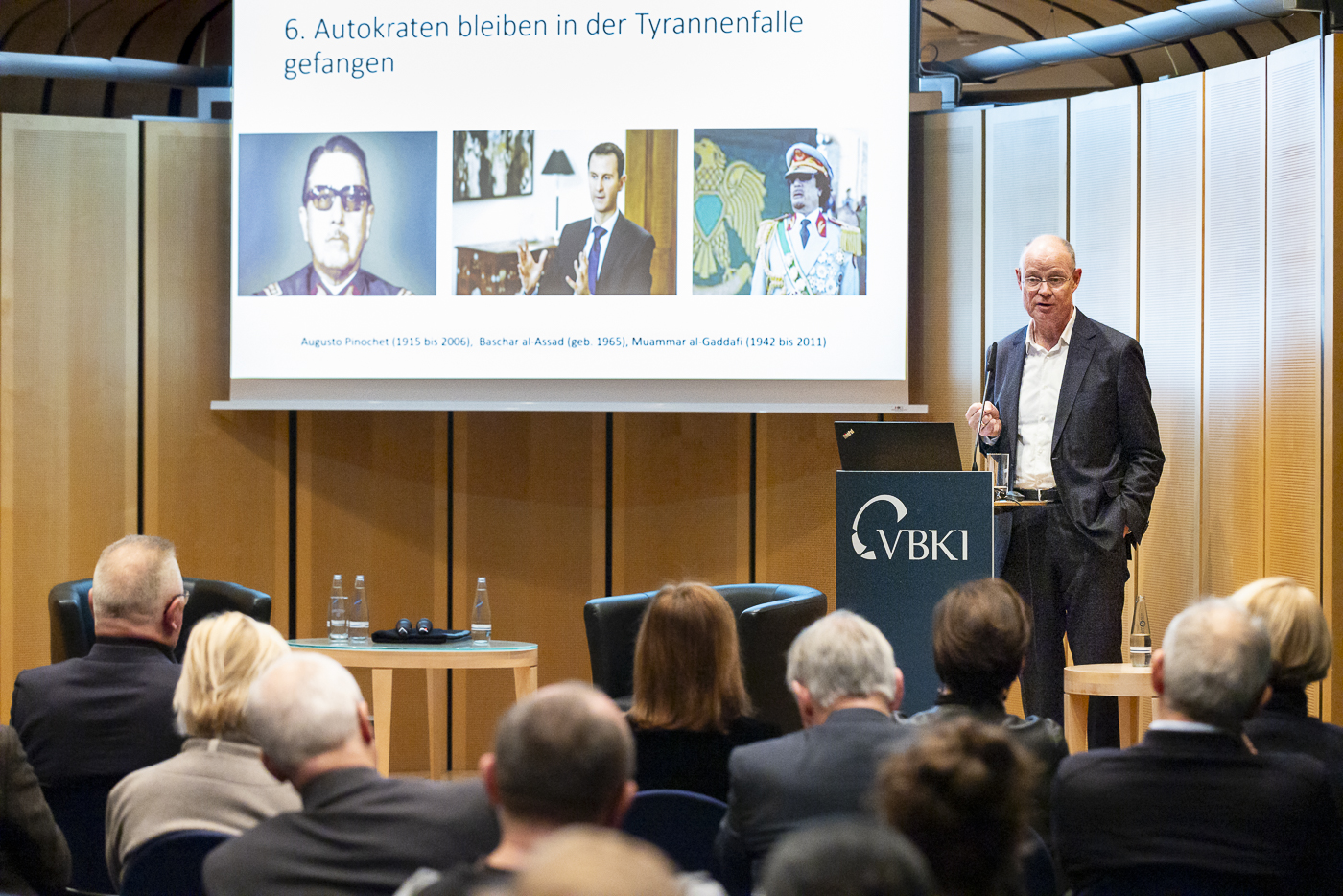
Michael Sauga focused on the growing importance of authoritarian states. Their stability is often based on market economy reforms, initial economic momentum and a form of repression that gradually undermines democratic principles without resorting to open violence. At the same time, Western democracies face their own challenges: social polarization, economic inequality and pressure on middle incomes. Populist movements are an expression of these developments.
What democracies need to do now
Both speakers emphasized that the geo-economic turnaround represents a long-term transformation. For Germany and Europe, this means above all:
- Strengthen security policy resilience,
- Managing migration reliably,
- increase economic innovation,
- renew social trust.
Scandinavia - the region that is currently responding most successfully to populist and autocratic challenges - could be a role model here.
Conclusion
The evening made it clear that Germany is facing fundamental strategic decisions. The global shifts demand orientation, dialog and new approaches that go far beyond day-to-day political business. With the Foreign Policy Talk, the VBKI is launching a series that will shed light on these issues in greater depth and provide decision-makers with impetus for dealing with the global upheavals.
Impressions
To the picture gallery: Please click here>
You might also be interested in
Joint declaration
Berlin's business community backs Olympic bid
"Fundraising is a matter for the boss"
Hauptstadtkulturgespräch: Private cultural funding - but how?
Excellence, networking and the courage to change
Healthcare capital Berlin: expert panel discusses paths, hurdles and opportunities