
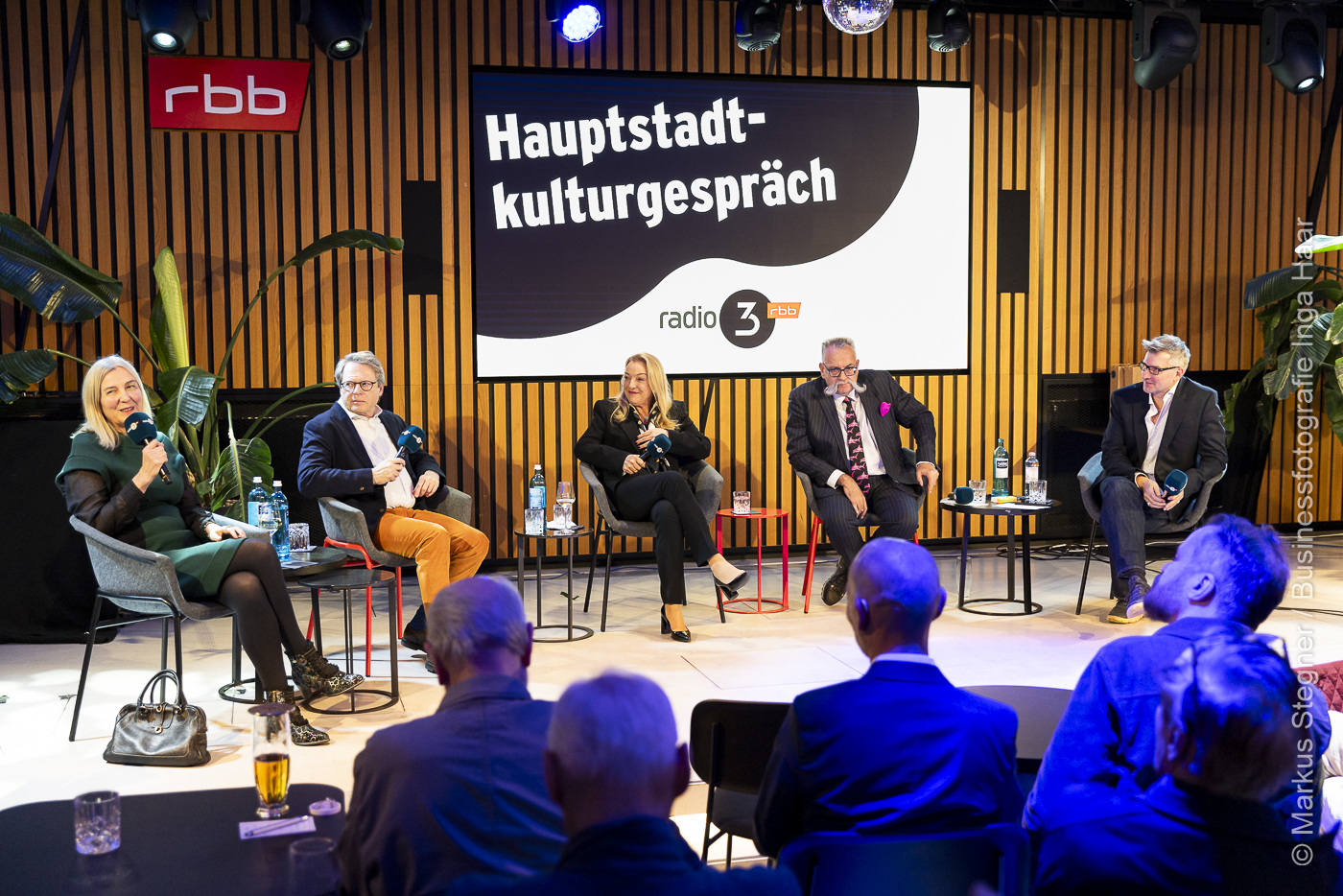
"Fundraising is a matter for the boss"
Hauptstadtkulturgespräch: Private cultural funding - but how?
Text: Sebastian Thomas | Head of Communications and Marketing
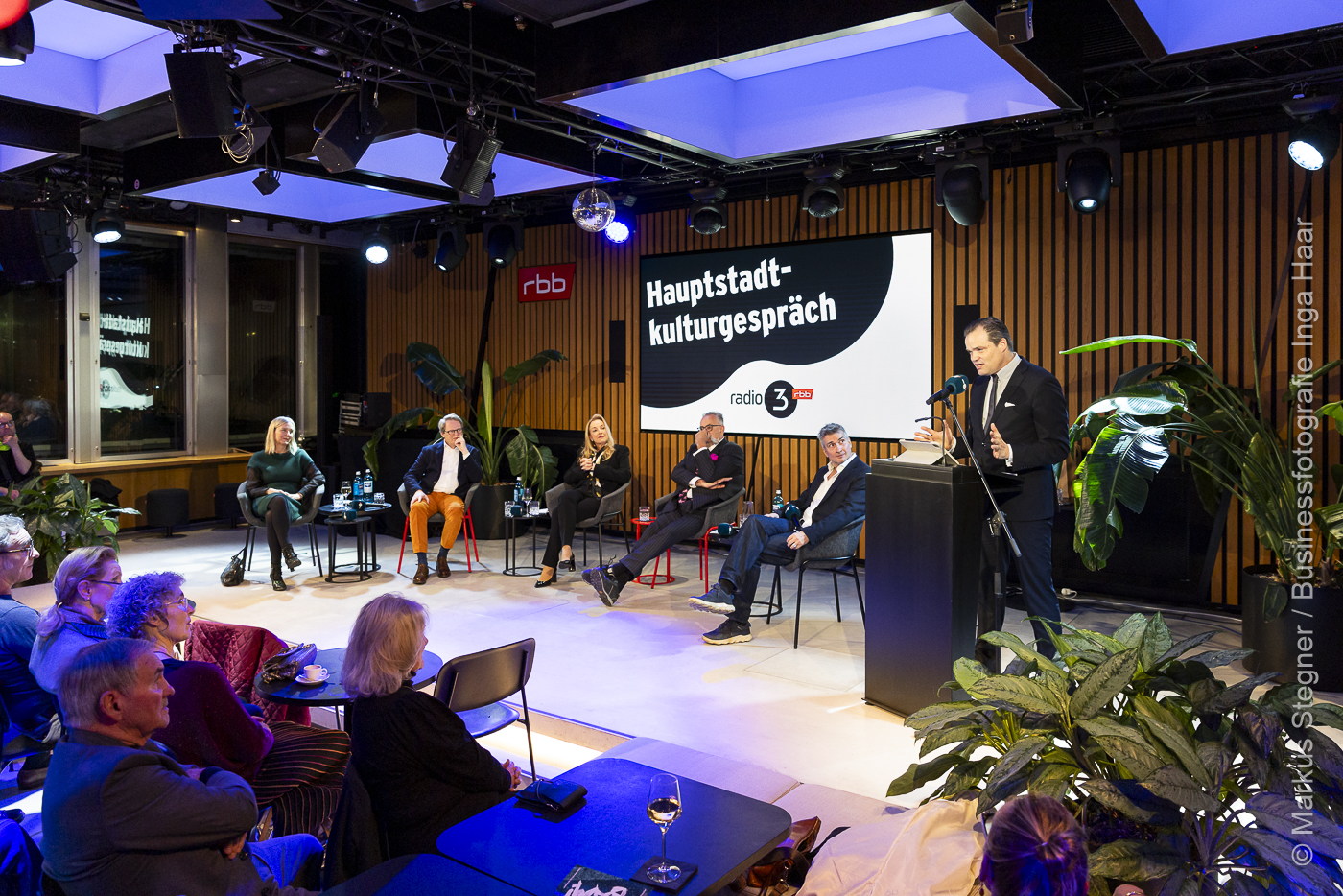
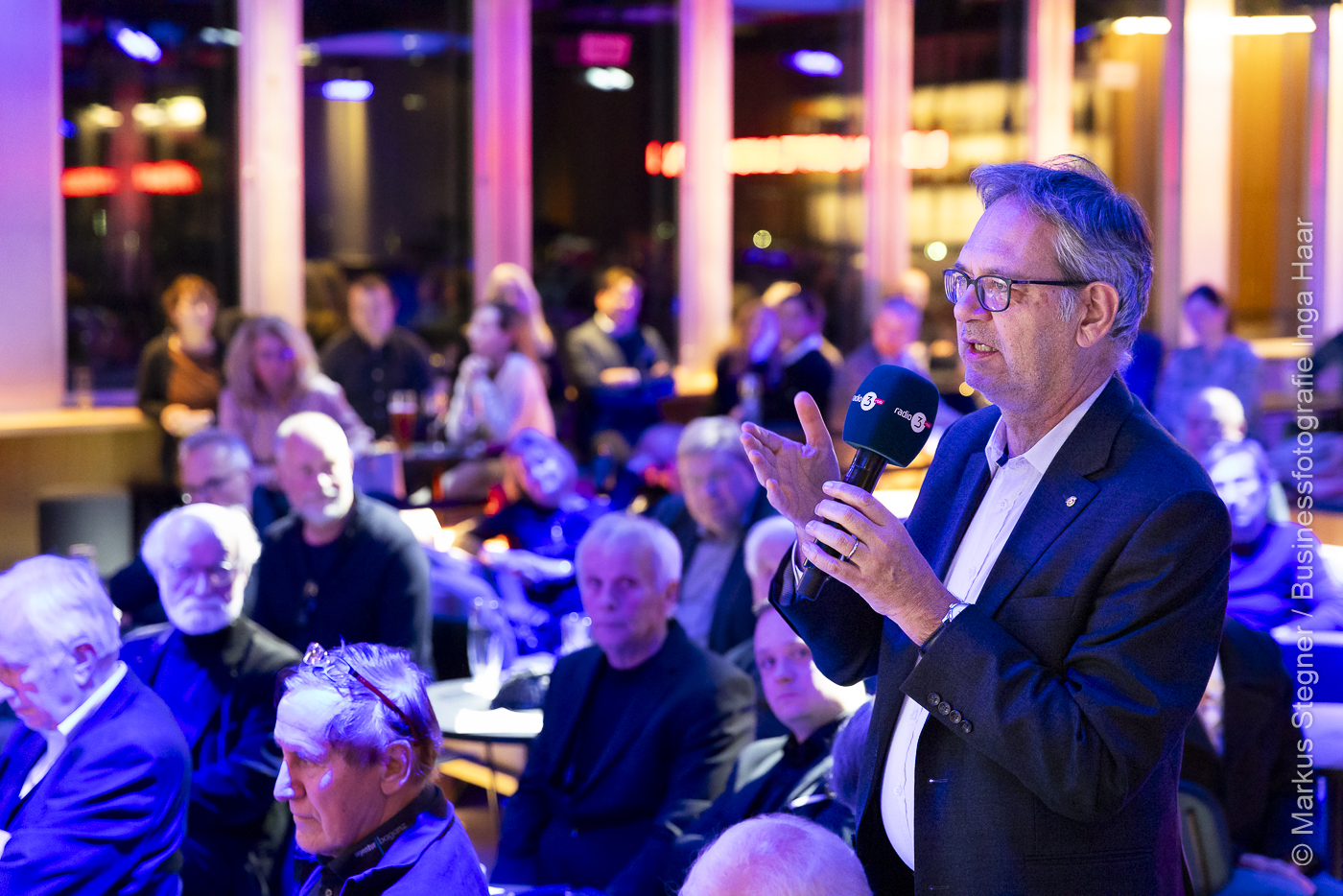
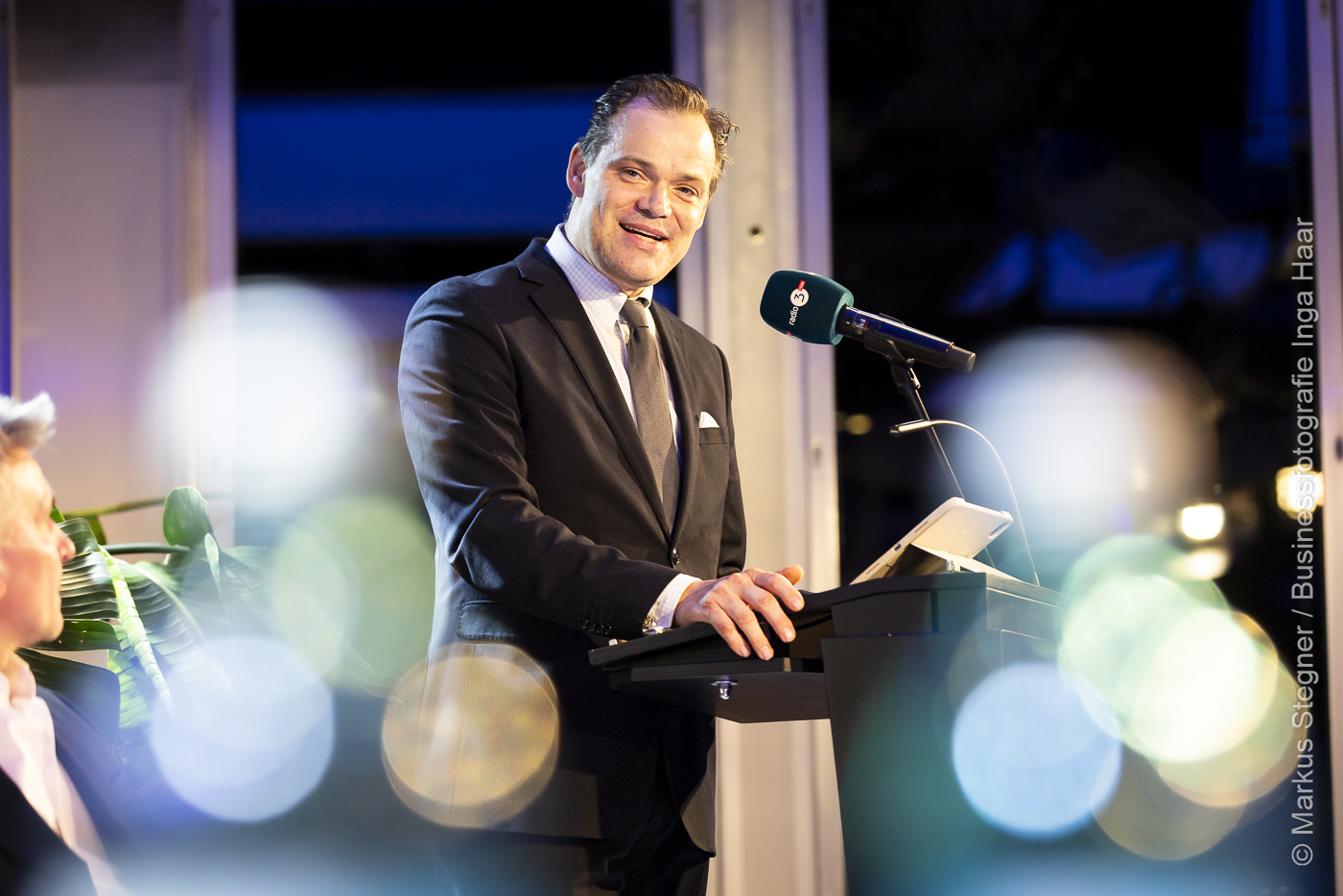
Berlin's cultural sector is under pressure - 130 million euros have to be saved this year in the state of Berlin alone, with a further 110 million euros in the pipeline for next year. So what can be done? In Studio 14 of rbb, leading voices from cultural institutions, the festival business and the private event world discussed ways out of the funding crisis - for example with the help of private funds from sponsorship, patronage and support groups. The Capital City Culture Talk takes place in cooperation with the Gesellschaft der Freunde der Akademie der Künste and rbb radio 3.
Culture as a society's operating system
Right at the beginning, Prof. Dr. Stephan Frucht, Chairman of the VBKI Cultural Committee and Artistic Director of the Siemens Arts Program, set a tone that would continue throughout the evening. According to Frucht, culture is far more than just a budget item. "Culture is not an app, culture is an operating system," he said - and pleaded for new ways of thinking and tax incentive models based on international examples. In India, part of the tax burden can be offset via cultural grants, in Brazil even part of the income tax can be diverted directly to cultural projects. When the public sector reaches its limits, it is necessary to talk more boldly about private participation without losing sight of the state's responsibility.
Salzburg as a role model: partnerships instead of logos
Dr. Kristina Hammer, President of the Salzburg Festival, used the example of her company to show how successful a balanced funding mix can be. A record result of 256,000 guests this year and 98.3 percent capacity utilization were only possible because public money, ticket revenues and private support were intertwined. But for Hammer, sponsorship is not limited to visibility in exchange for money: "It's not about sticking a name on somewhere," she emphasized. What sets Salzburg apart are long-term partnerships built on trust, shared values and respect for the freedom of art.
She spoke passionately about the responsibility of getting young people interested in culture. Mobile stages, opera productions for schools and direct encounters with artists are crucial to breaking down fears. Children and young people should not be spared, but challenged and surprised - because enthusiasm arises where art can be experienced directly.
Structural underfunding despite large sums
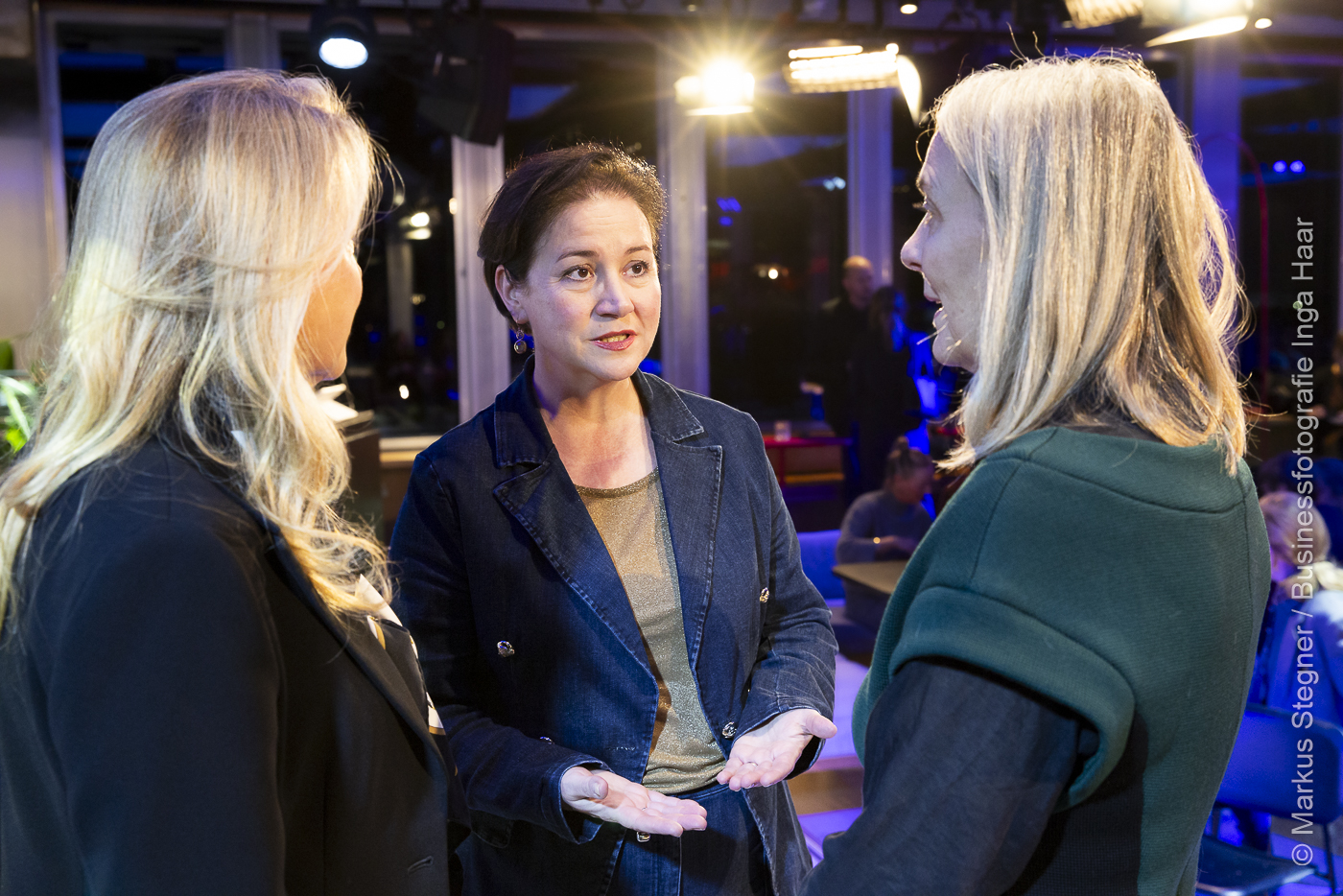
Prof. Marion Ackermann, President of the Prussian Cultural Heritage Foundation, opened up a view of a reality that is often overlooked behind the big museums. Despite seemingly impressive budgets, the museums are structurally underfunded. "For 21 museums, we had an exhibition budget of just 1.7 million euros for years," she explained.
Ackermann called for a new balance between public funds, ticket revenues and private donations. A healthy balance could be achieved if each source of revenue contributed one third to the overall budget.
Her plea for controversial dialog was received with particular attention: Cultural debates had become too tame in many places in Germany. Yet it is precisely today that we need the strength to address the uncomfortable and openly discuss social issues.
Relevance instead of free culture
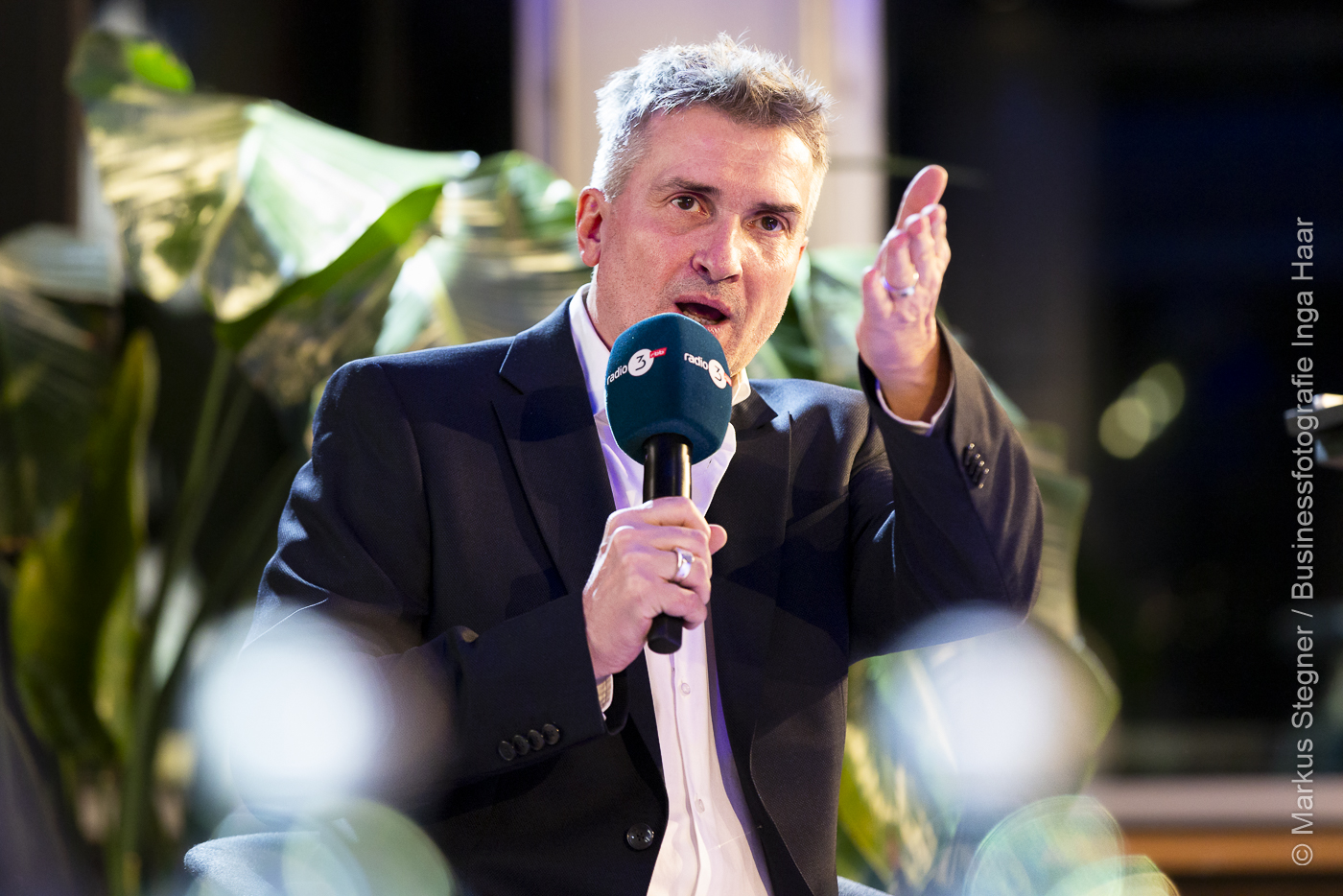
Prof. Johannes Vogel, Director General of the Museum für Naturkunde Berlin, highlighted the importance of content relevance for the future viability of culture. His museum attracts 800,000 visitors a year, 60 percent of whom are young adults. For Vogel, one thing is clear: relevance beats free culture. Studies show that free admission rarely reaches the people you actually want to attract. Places that invite people to think together are crucial - museums as resonance spaces, not as consumer offers.
With a comparison that was an aha moment for many in the room, Vogel put cultural values into perspective: a family outing to a blockbuster movie theater - "for example to a dinosaur film" - quickly costs 150 euros including popcorn and drinks, while a visit to the Natural History Museum for the family of five in question costs just 15 euros. Culture should not sell itself short.
"We need to become more relevant to society. Then politicians won't be able to ignore us."
Prof. Johannes Vogel | Director General of the Museum für Naturkunde Berlin
Private sector: market logic and responsibility
Andreas Schessl, Managing Director of the MünchenMusik Group, provided a counterpoint. His company is financed entirely from ticket revenues - a model that allows freedom, but also recognizes the harsh realities of the market. Schessl urgently warned against keeping ticket prices artificially low or giving out free tickets en masse. This would not only harm private event organizers, but also the long-term appreciation of culture.
His central message: the public must be introduced to classical music at an early age. "As things stand today, we expect someone to buy a book without having learned to read," he said - and spoke out in favor of significantly more investment in cultural education.
Young target groups: Challenge, invite, involve
The entire panel was surprisingly unanimous when it came to the younger generation. Children and young people should not only be reached, but also taken seriously, challenged and given real experiences. Whether children's biennials, mobile stages, haptic experience spaces or new formats beyond school and family - real encounters are crucial.
In addition, culture must change itself in order to remain relevant: Places of participation, open debate and community. Only when institutions engage in an authentic dialog with society can stable, long-term relationships with sponsors be established.
Securing artistic freedom, maintaining relationships
Partnerships with private sponsors yes, but at what price? The panel agreed that sponsors should never be allowed to influence the program. For Hammer, respect for artistic freedom was the "top priority", Ackermann emphasized the same line, and Vogel also referred to the responsibility to preserve autonomy.
At the same time, there was a consensus that fundraising is a management task. It does not require large sponsoring departments, but rather trust - built up over years. "Relationship building is a matter for the boss," said Hammer. A sentence that became the leitmotif of the evening.
Location factors and cultural experience
The question of the attractiveness of the cultural location also plays a major role in the acquisition of private partners. Salzburg scores with its overall tourist package, while Berlin impresses with its international appeal, but suffers from practical hurdles - Prof. Ackermann referred to the lack of international connections to Berlin Airport, for example.
Conclusion: Taking responsibility together
The evening made it clear that the challenges are great - but the willingness to take responsibility is just as great. Culture needs the state and the private sector, it needs people who are committed and institutions that boldly lead the way. Or as Johannes Vogel put it in a nutshell: "We need to become more relevant to society. Then politics won't be able to ignore us."
Impressions
To the picture gallery: Please click here>
You might also be interested in
Joint declaration
Berlin's business community backs Olympic bid
Excellence, networking and the courage to change
Healthcare capital Berlin: expert panel discusses paths, hurdles and opportunities
Warsaw - twin city and role model for Berlin
Opinion piece by Kirsten Giering and Johannes von Thadden