
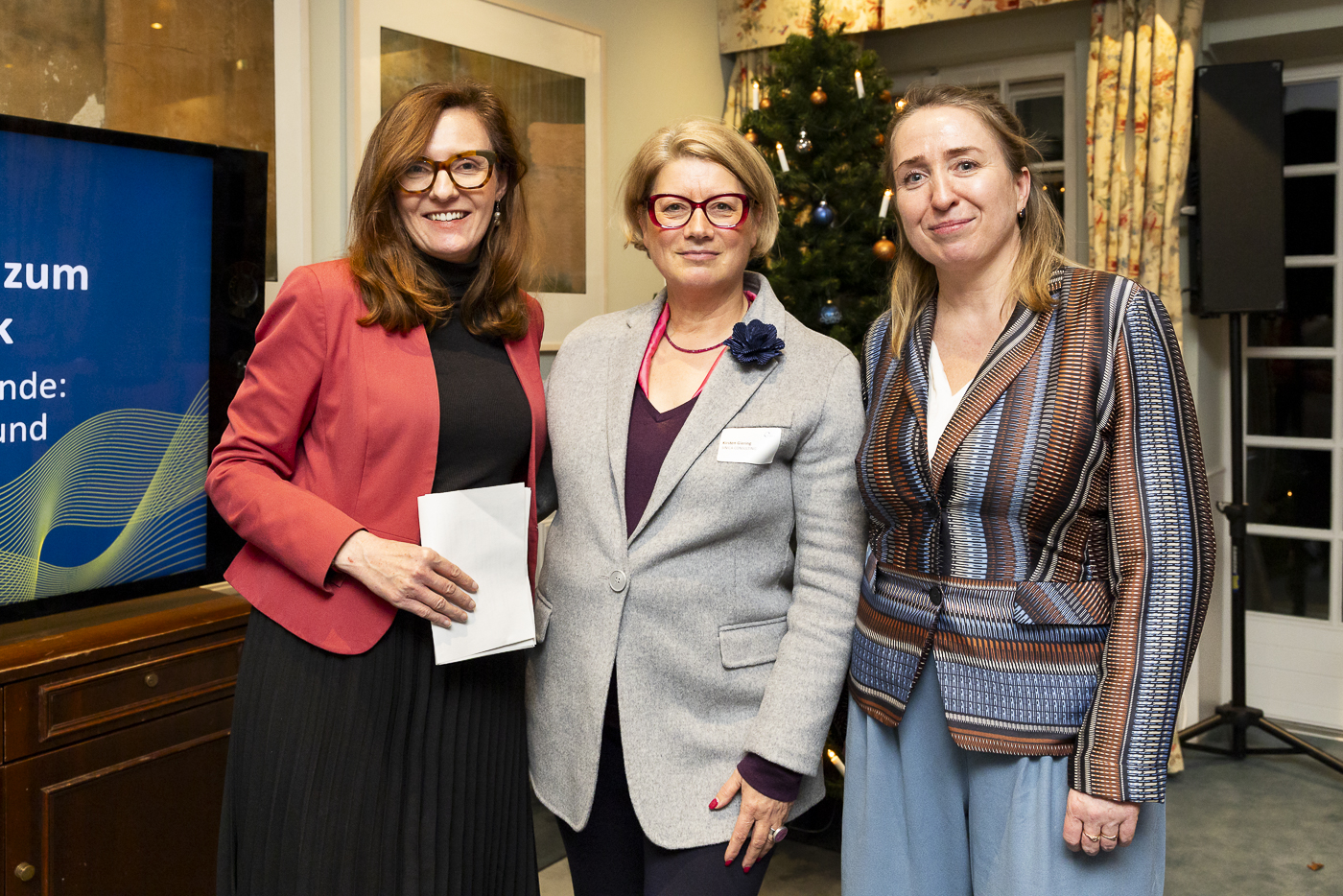
Geoeconomic turning point in practice:
How companies are responding to a fragmented world
The VBKI in conversation with Aleksandra Röhricht, Managing Director of Forwardis GmbH
Text: Tabea Klang | Head of Transformation Program, DB Cargo
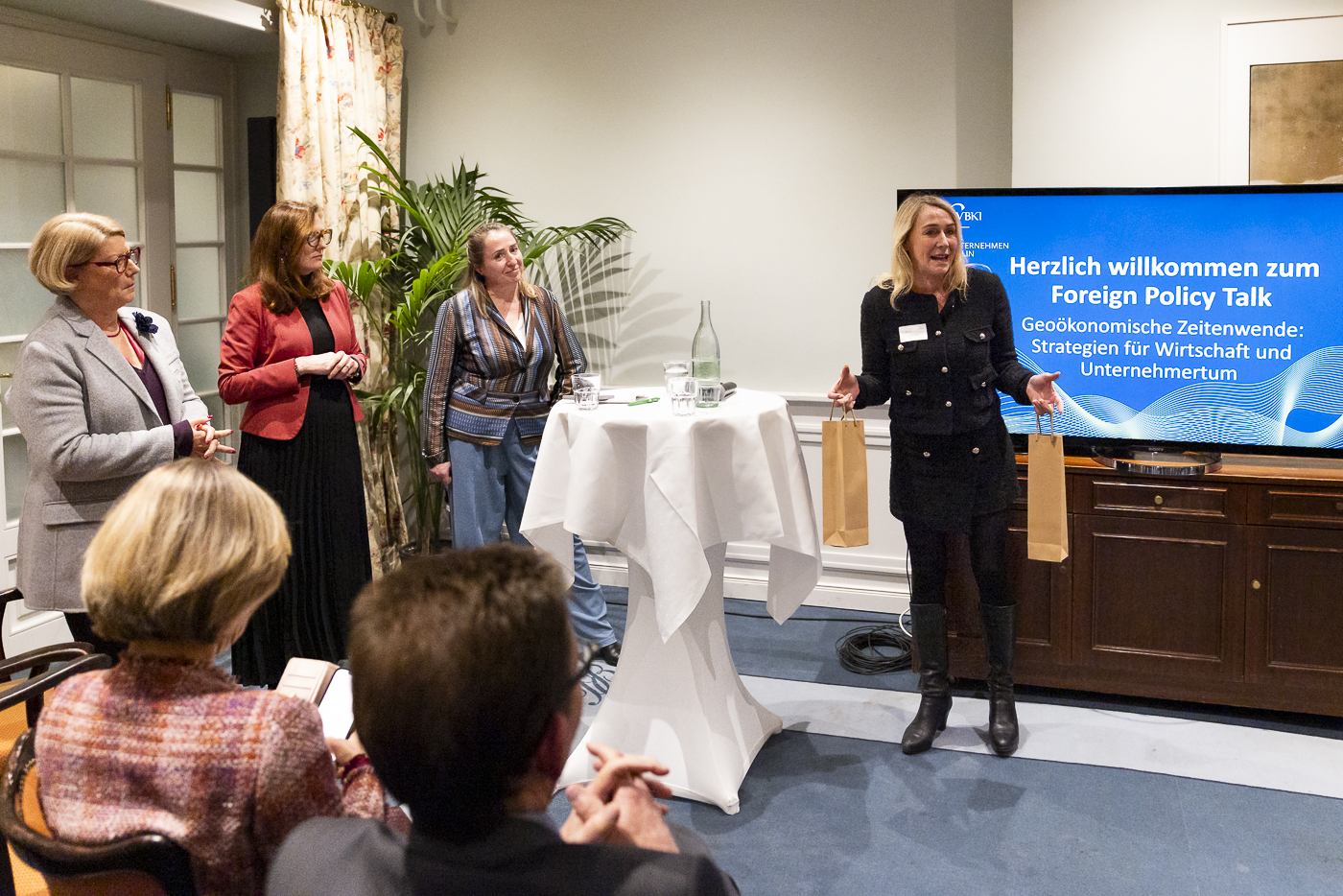
In the second part of the VBKI Foreign Policy Talk "Geoeconomic Turning Point," it became clear how strongly geopolitical changes are shaping the everyday lives of companies. After the global upheavals were outlined in the first event, this time the focus was on the immediate practice of a rail freight forwarder: How do those who work with international supply chains, transport decisions, and political risks on a daily basis react?
Aleksandra Röhricht, Managing Director of Forwardis GmbH, described the geo-economic turning point – i.e., the increasing interdependence of economics and geopolitics and the realignment of global dependencies – not as a specific moment in time, but rather as an ongoing process that is increasingly changing business models and logistics structures. This is particularly evident in the case of sensitive raw materials such as yellow phosphorus, which is produced in only a few locations worldwide and whose supply routes are currently undergoing significant shifts – including towards Vietnam. At the same time, military logistics is gaining in importance, particularly on the European continent, and is having a direct impact on infrastructure capacities. These growing demands are being met by a rail network that still needs to be better integrated structurally. For example, different technical systems and widely varying degrees of electrification prevent continuous transport chains and lead to time-consuming locomotive changes at borders. At a time when speed and flexibility are crucial, this becomes a noticeable competitive disadvantage.
"For me, there is no such thing as a turning point, because we entrepreneurs are constantly undergoing a process of change."
Aleksandra Röhricht | Managing Director, Forwardis GmbH
Aleksandra Röhricht emphasized how much growing uncertainty has changed leadership. In today's reality, decisions often have to be made when only about 70 percent of the facts are on the table. Heterogeneous teams are a great advantage in this regard because they assess risks from different perspectives and arrive at viable solutions more quickly. At the same time, companies, especially in Germany, face a dilemma: they want stable, resilient transport options with a Plan B and perhaps even a Plan C—but they must always weigh these against costs and competitiveness.
The evening clearly demonstrated that resilience is no longer an abstract concept in a fragmented world, but rather a strategic principle. And logistics—whether as an early warning system, a bottleneck factor, or a geopolitical terrain—plays a key role in Europe's economic capacity to act.

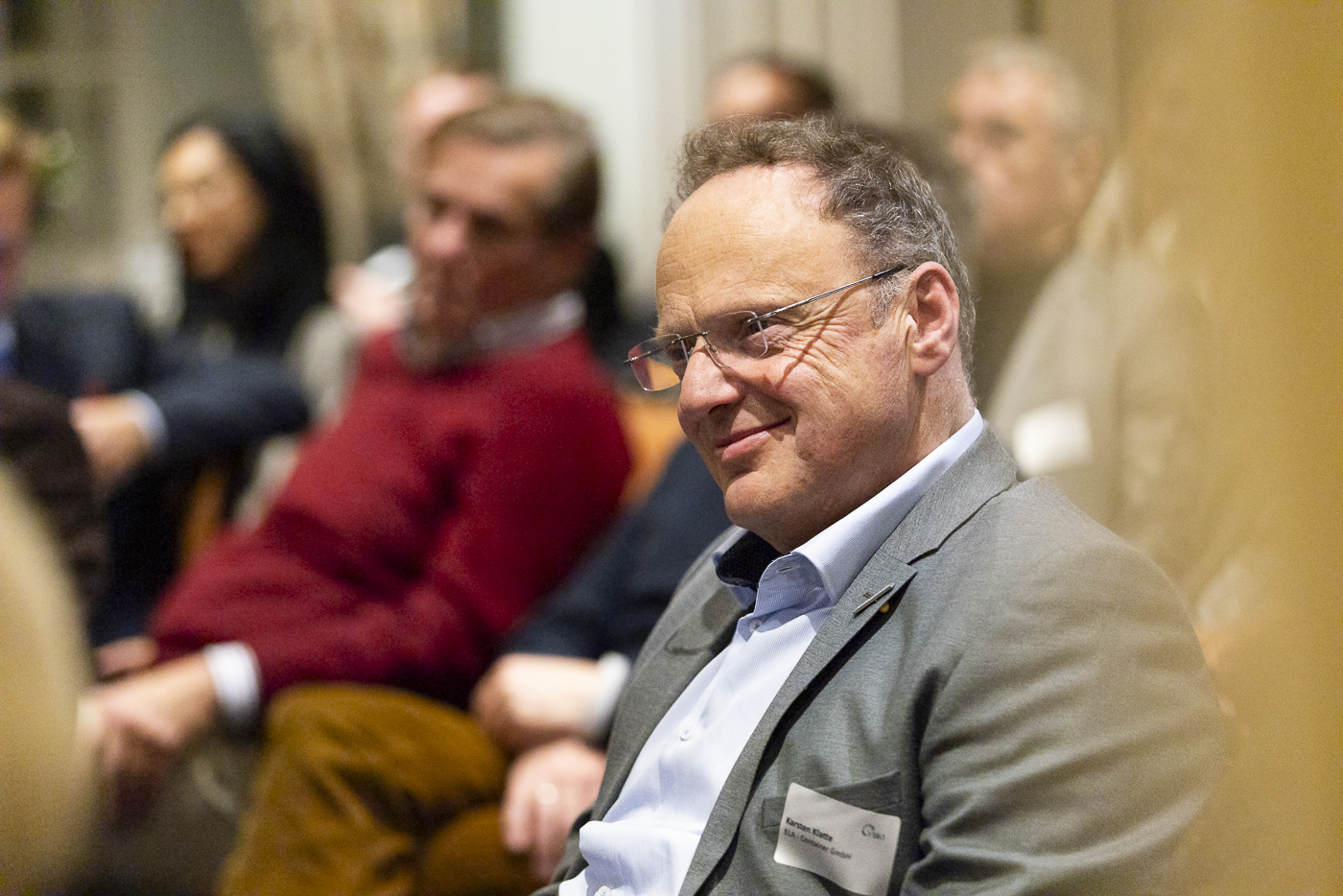
Impressions
To the picture gallery: Please click here>
You might also be interested in
Joint declaration
Berlin's business community backs Olympic bid
"Fundraising is a matter for the boss"
Hauptstadtkulturgespräch: Private cultural funding - but how?
Excellence, networking and the courage to change
Healthcare capital Berlin: expert panel discusses paths, hurdles and opportunities