
Welcome to the “New Normal”
"Foreign Policy Talk" Analyzes a World in Flux
Text Sebastian Thomas | Head of Communications and Marketing
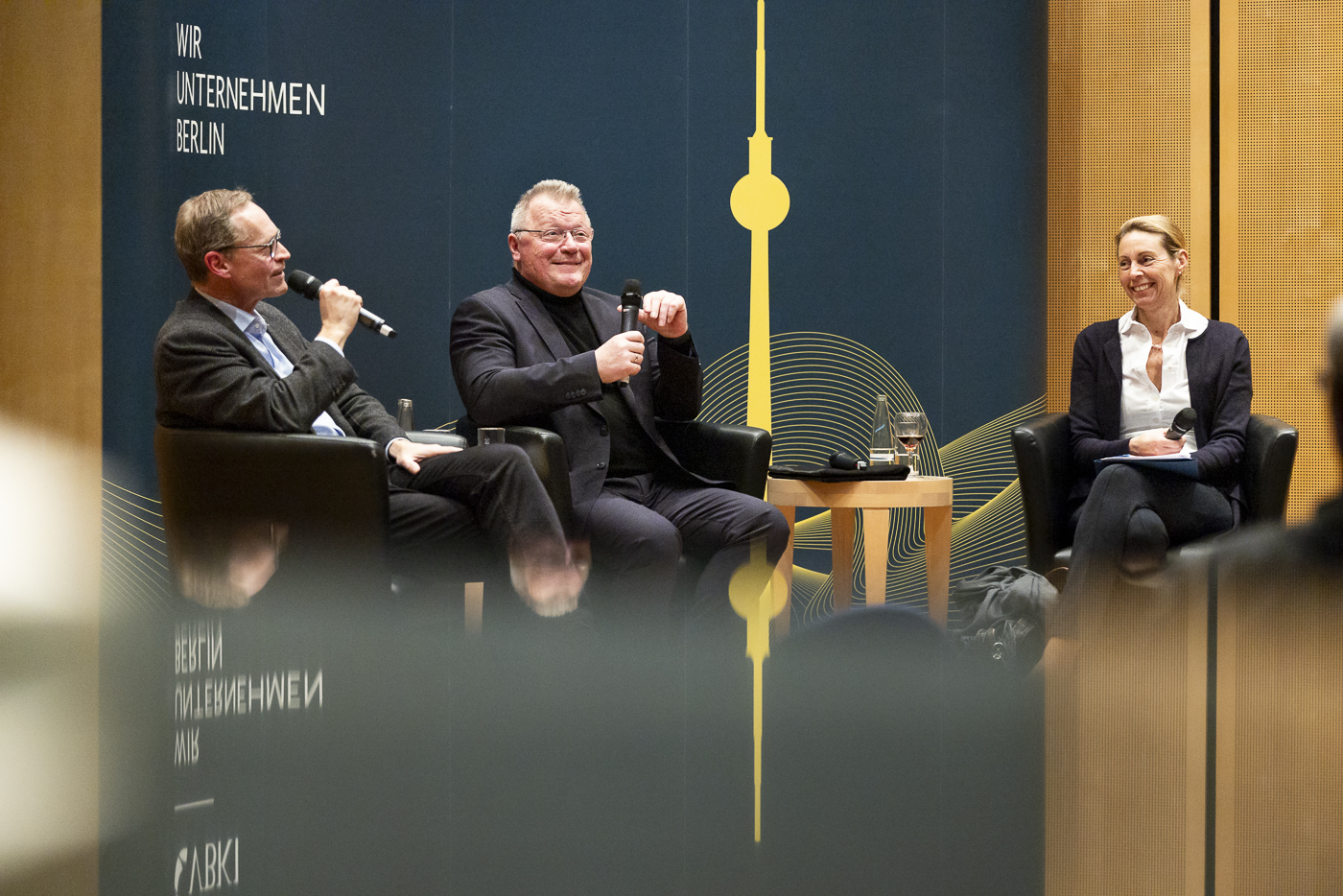
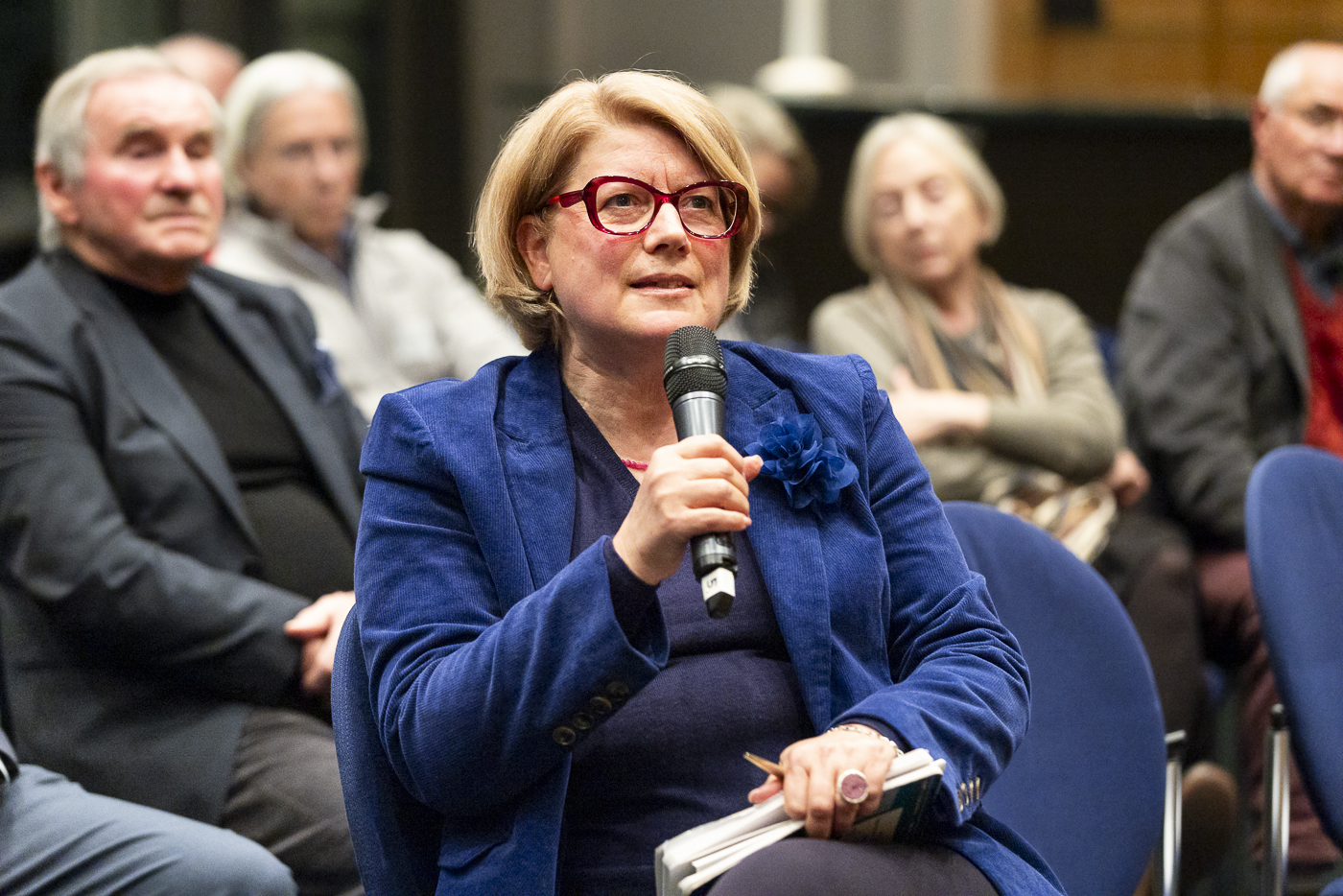
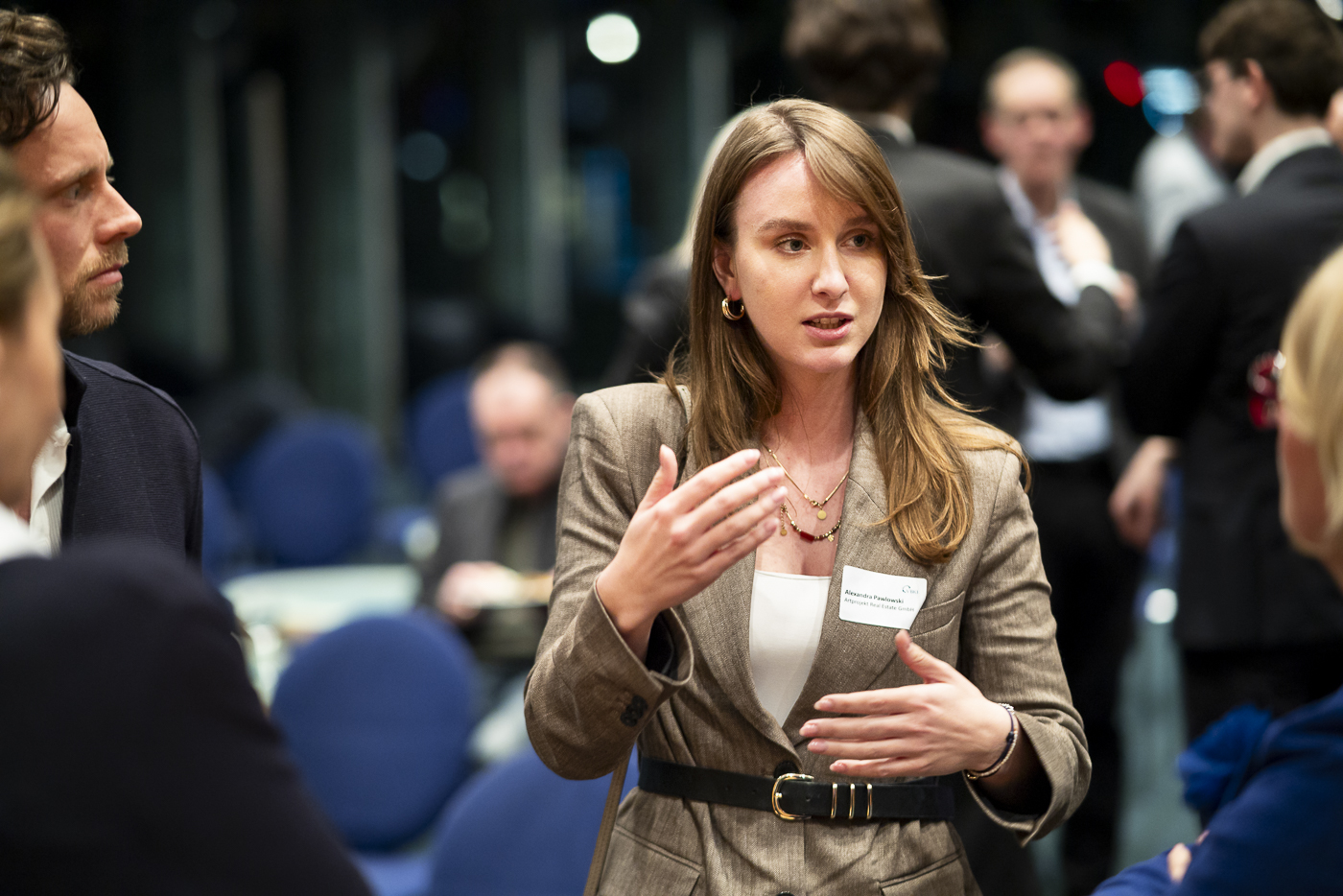
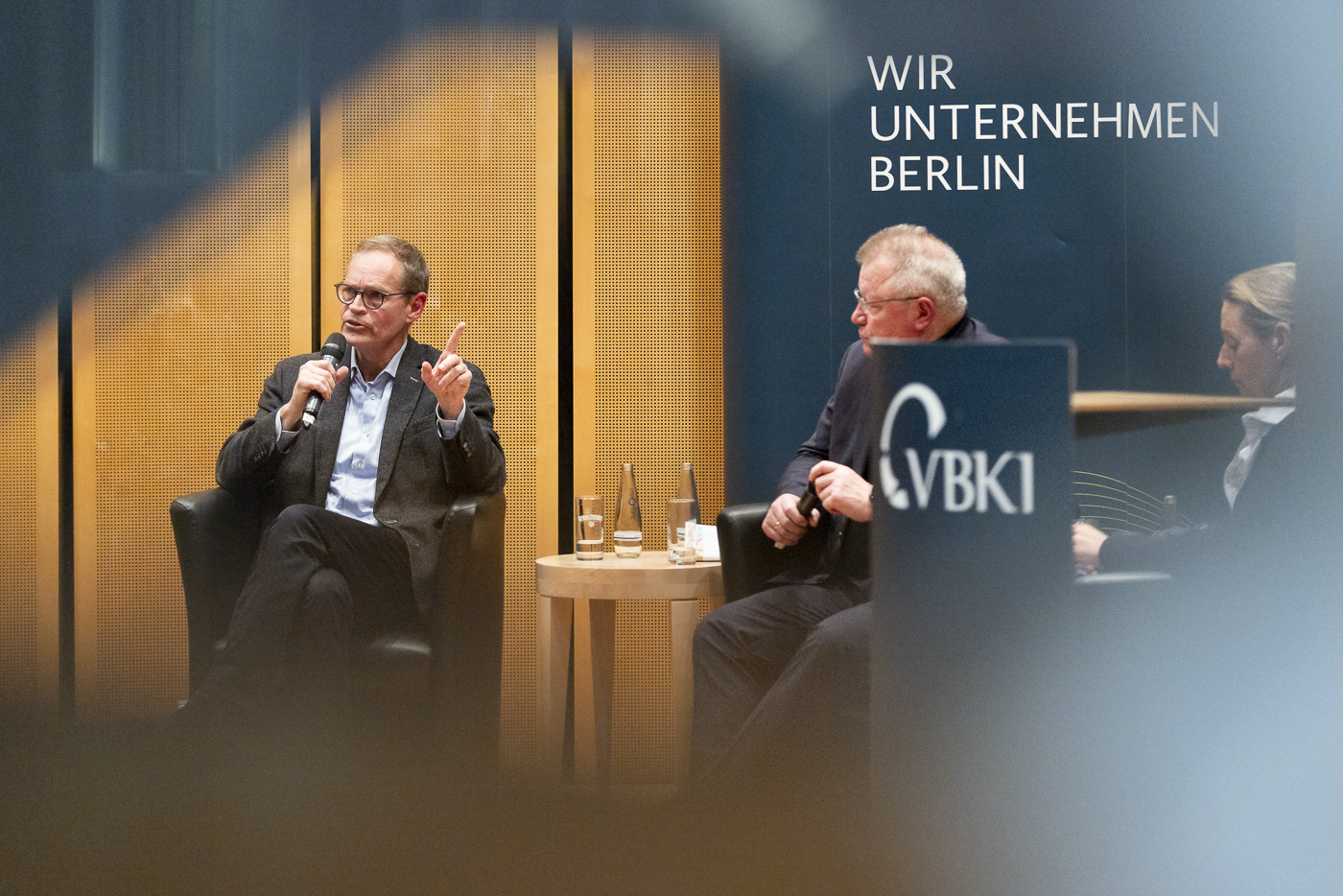
The old world order is crumbling—but a new one is not yet in sight. Instead of clear alliances, the international stage is marked by uncertainty, power politics, crises, and conflicts, as well as an increasingly harsh tone. It was precisely this transitional phase that took center stage at a Foreign Policy Lunch, where a panel of experts, along with about 50 members and guests, discussed the geopolitical upheavals of our time.
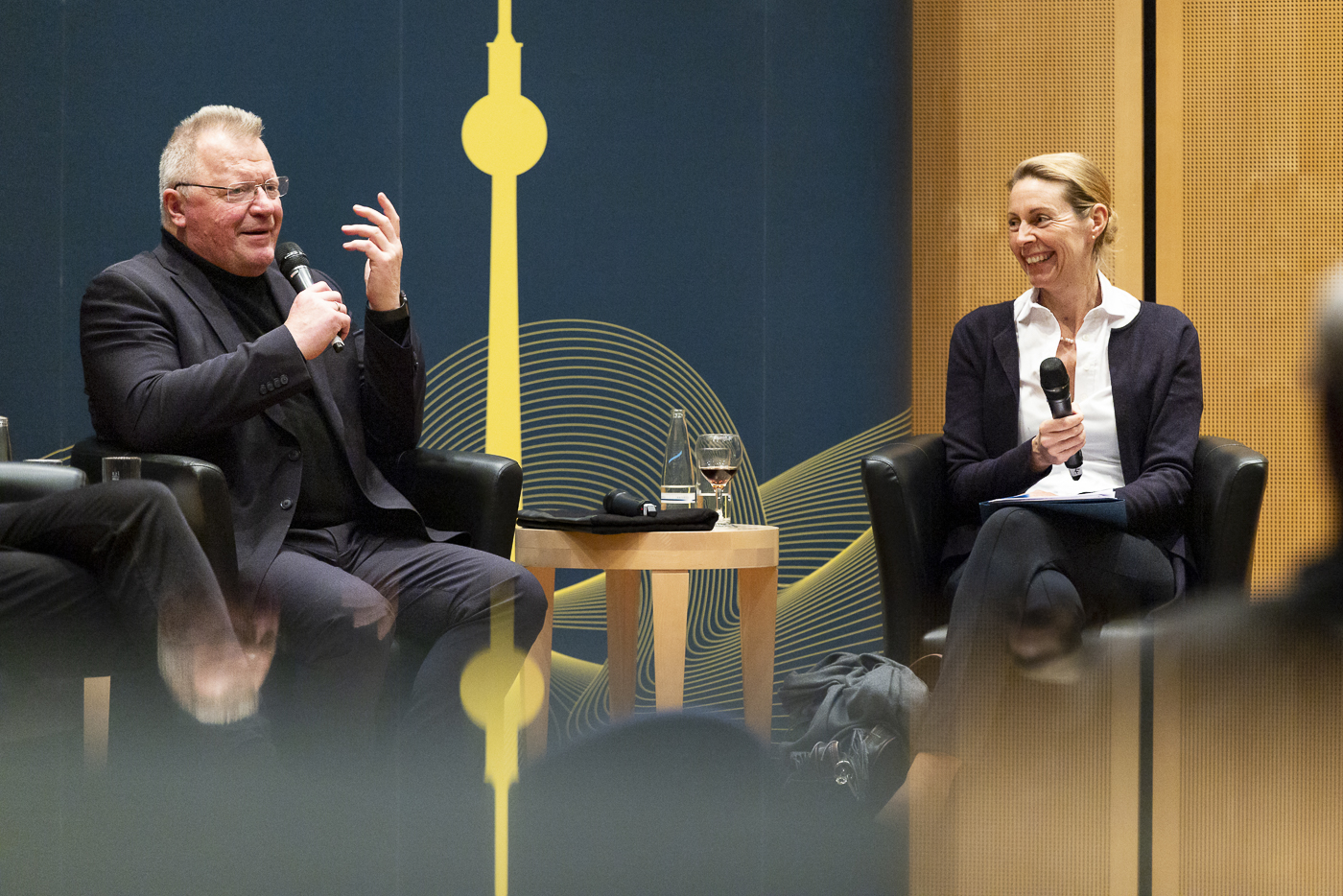
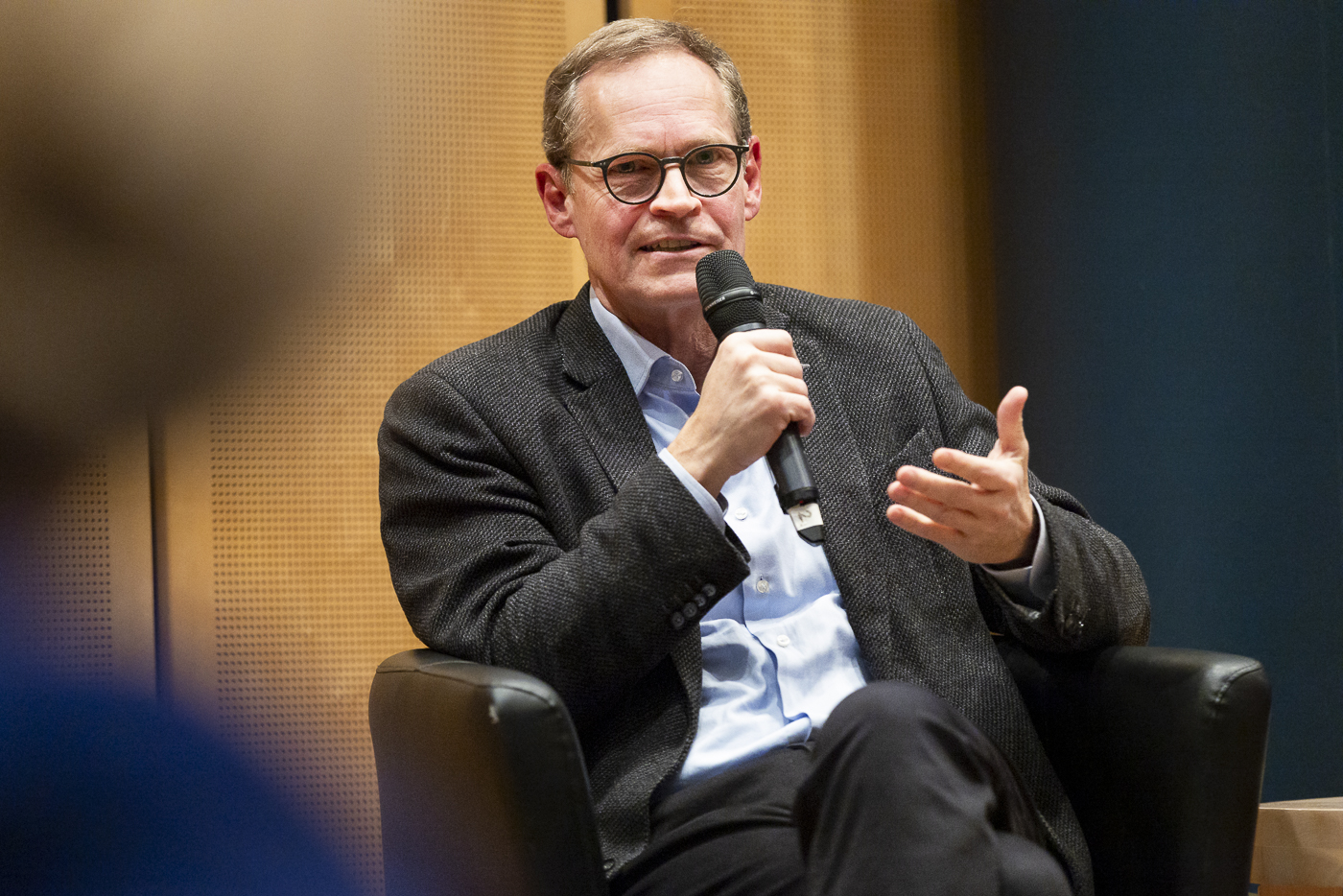
Initiated by the “International Politics and Economics” Committee and moderated by its co-chair, Prof. Eberhard Sandschneider, Michael Müller—former Governing Mayor of Berlin and a long-standing member of the Bundestag’s Foreign Affairs Committee—and Stormy-Annika Mildner, Executive Director of the Aspen Institute Germany, analyzed the tectonic shifts in international politics. They painted a picture of a world in which Europe must reposition itself.
Saying Goodbye to Old Certainties
Stormy-Annika Mildner described an international “new normal”: more transactionalism, dwindling commitment, and a harsher diplomatic tone. The era of a stable transatlantic alliance based on shared values and interests is over. While the U.S. is more than just a single administration, the “America First” principle is gaining increasing prominence—with tangible consequences for partners and institutions.
This shift is also evident at international forums such as the Munich Security Conference or the Raisina Dialogue in New Delhi: The much-cited “European moment” has yet to materialize. Europe does not speak with one voice and is therefore not perceived as a unified actor.
At the same time, perspectives are shifting: While Europe and North America view these upheavals primarily as a risk, the Global South often sees them as opportunities as well. There, the existing world order is increasingly viewed as Western-dominated and no longer relevant.
Europe Between Values and Interests
Michael Müller emphasized that while many in Europe had recognized the profound changes taking place, they did not understand the direction in which they were heading. Above all, it remains unclear what role Europe wants to and can play in the future, and who its reliable partners are.
The loss of trust in the Middle East is particularly serious. Double standards in values-based foreign policy and a lack of long-term strategies have permanently damaged credibility. Against this backdrop, the central question arose: Must Europe align its values-based foreign policy more closely with its interests?
The answer was nuanced: Values and interests are not necessarily at odds with one another. A values-driven policy can certainly be in one’s own interest—but it must not be the sole criterion in an increasingly complex world.
New Alliances, New Tools
Mildner pointed to a trend toward more flexible forms of cooperation: Where multilateral solutions are stalled, “coalitions of the willing” or alliances of middle powers are gaining in importance. Examples such as the rapprochement with India, however, also reveal the limitations of such partnerships—they are often pragmatic, but they do not constitute communities of values.
At the same time, “economic statecraft” is gaining in importance: Economic instruments are being used in a targeted manner to advance foreign policy goals. This raises difficult questions—such as those regarding costs, priorities, and political oversight.
The Vulnerability of Modern Societies
A key topic was the lack of resilience in modern societies, particularly in urban areas. Mildner made it clear that for decades, increasing efficiency had taken precedence over risk management. For a long time, building in redundancies or strategic reserves played virtually no role.
The result is increased interdependencies and heightened systemic risks—both at the corporate level and for the economy as a whole.
With regard to Berlin, Müller was even more explicit: The capital is inadequately prepared for crises or even war. There is a lack of shelters, a coordinated civilian crisis response structure, and coordinated healthcare capacity. While initial progress is evident, there is still a significant amount of ground to make up overall.
Ongoing Crises in the Middle East
Skepticism prevailed regarding possible developments in the Middle East. From the panelists’ perspective, military interventions do not offer sustainable solutions, and regime change imposed from the outside seems unrealistic. The conflicts threaten to escalate further—with long-term humanitarian and political consequences.
Even if hostilities were to end, there is a lack of viable plans for the period that follows—both in the U.S. and in Israel.
China as a Silent Beneficiary
In the context of geopolitical competition, China is increasingly taking center stage. Sandschneider described the country as strategically patient and focused on the long term. While the West grapples with internal tensions, China is positioning itself as an anchor of stability and a champion of a rules-based order—at least in its rhetoric.
In fact, China has already assumed a leading role in many areas of technology and is making targeted use of economic policy tools to advance its own interests. For many countries in the Global South, Beijing has thus become an attractive alternative.
Europe Without a Unified Voice?
What role will Europe play in the future? A recurring theme in the discussion was the continent’s lack of unity. National interests, political differences, and the rise of populist forces make it considerably more difficult to pursue a common foreign policy. Concepts such as a “core Europe” have made little progress in years—a development that Müller described as “dramatic.”
At the same time, European societies face structural challenges: demographic change, the effectiveness of government and public administration, and how to deal with potentially declining prosperity. A permanently expansionary debt policy is not a sustainable way to postpone necessary decisions.
At the same time, according to Mildner, Europe must not allow itself to be “dwarfed.” The continent remains an economic heavyweight—and this potential must also be leveraged more effectively in foreign policy.
Conclusion: A World Without a Clear Order
The VBKI Foreign Policy Lunch made it clear: International politics is in a period of transition. Old certainties are outdated, and new structures have not yet been established.
Europe faces the challenge of redefining its role—between values and interests, between aspirations and reality. It will be crucial to clearly define strategic goals and pursue them with determination. For one thing has also become clear: despondency can backfire.
Or, to put it positively: Europe must act with openness, flexibility, and courage—and be prepared to break with old habits. There will be no return to the old order. The search for answers has only just begun.
Impressions
To the picture gallery: Please click here>
You might also be interested in

"Who are the Marcuses?"
Film screening and talk at the James-Simon-Galerie
Joint declaration
Berlin's business community backs Olympic bid
"Fundraising is a matter for the boss"
Hauptstadtkulturgespräch: Private cultural funding - but how?