
The Olympics as a catalyst
for the city of tomorrow
VBKI "Urban Catalyst" Conference Brings International Expertise to Berlin
Text: Annette Kusche | Political Communications and Committees Advisor
Jonas Koch | Junior Communications and Marketing Advisor
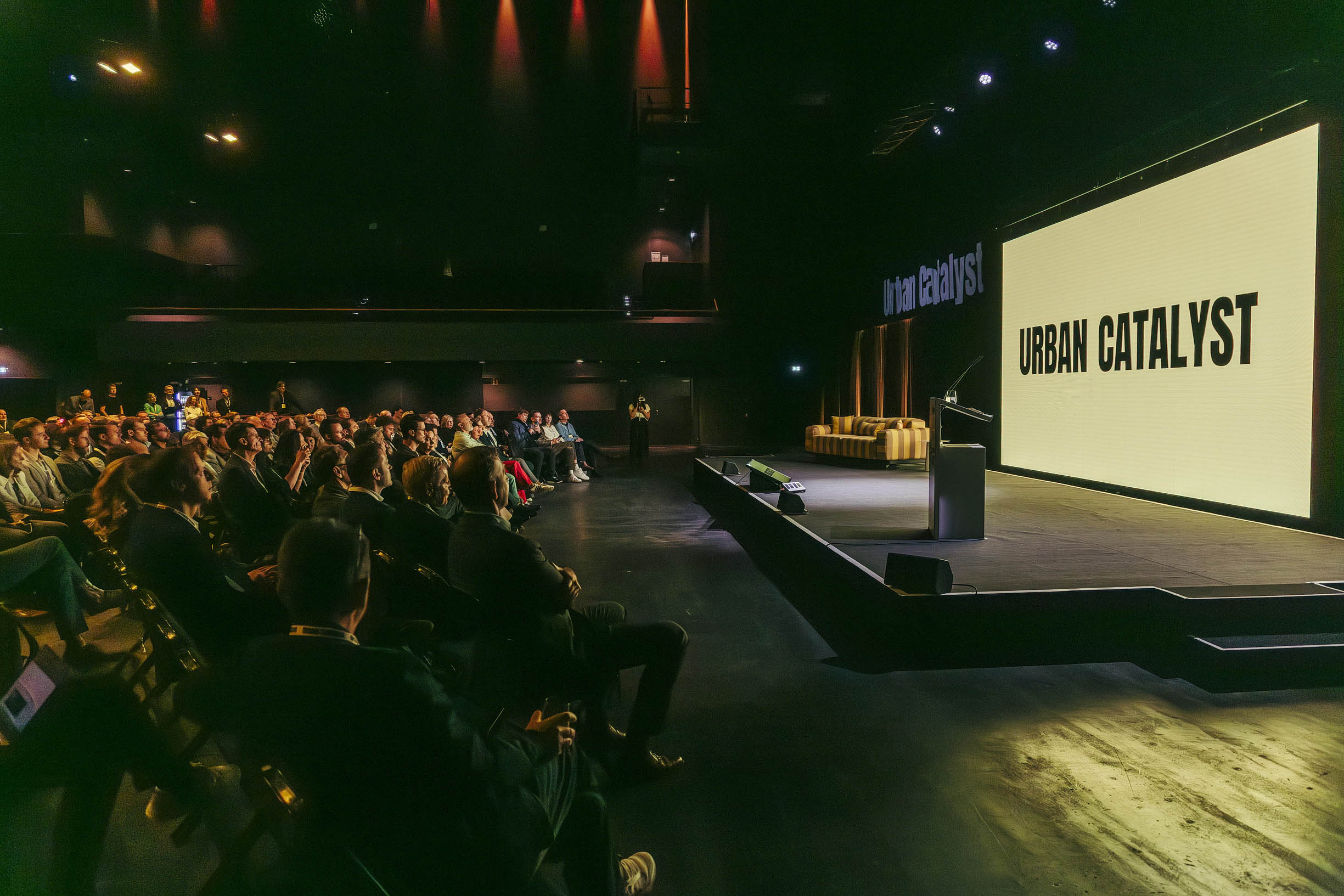
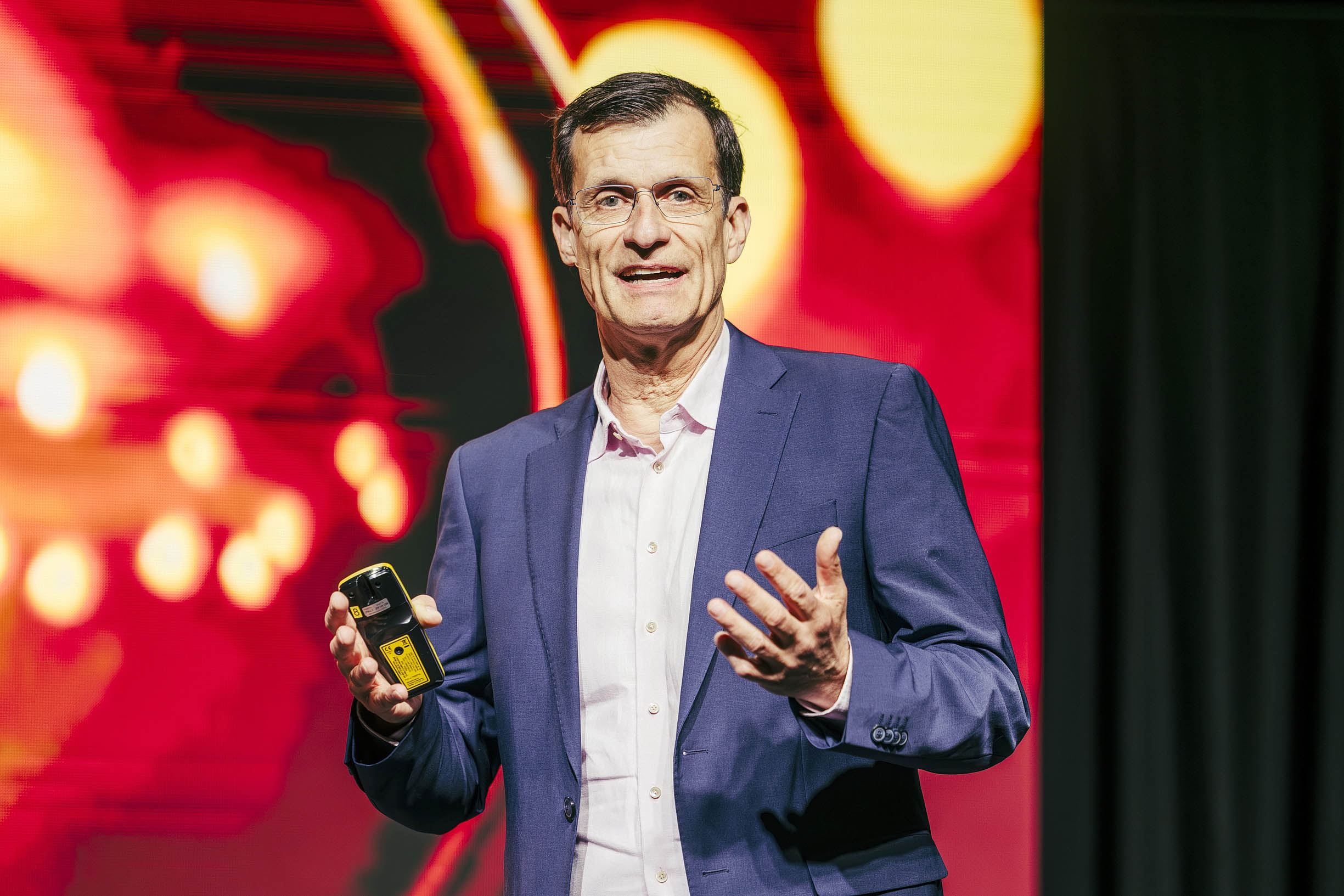
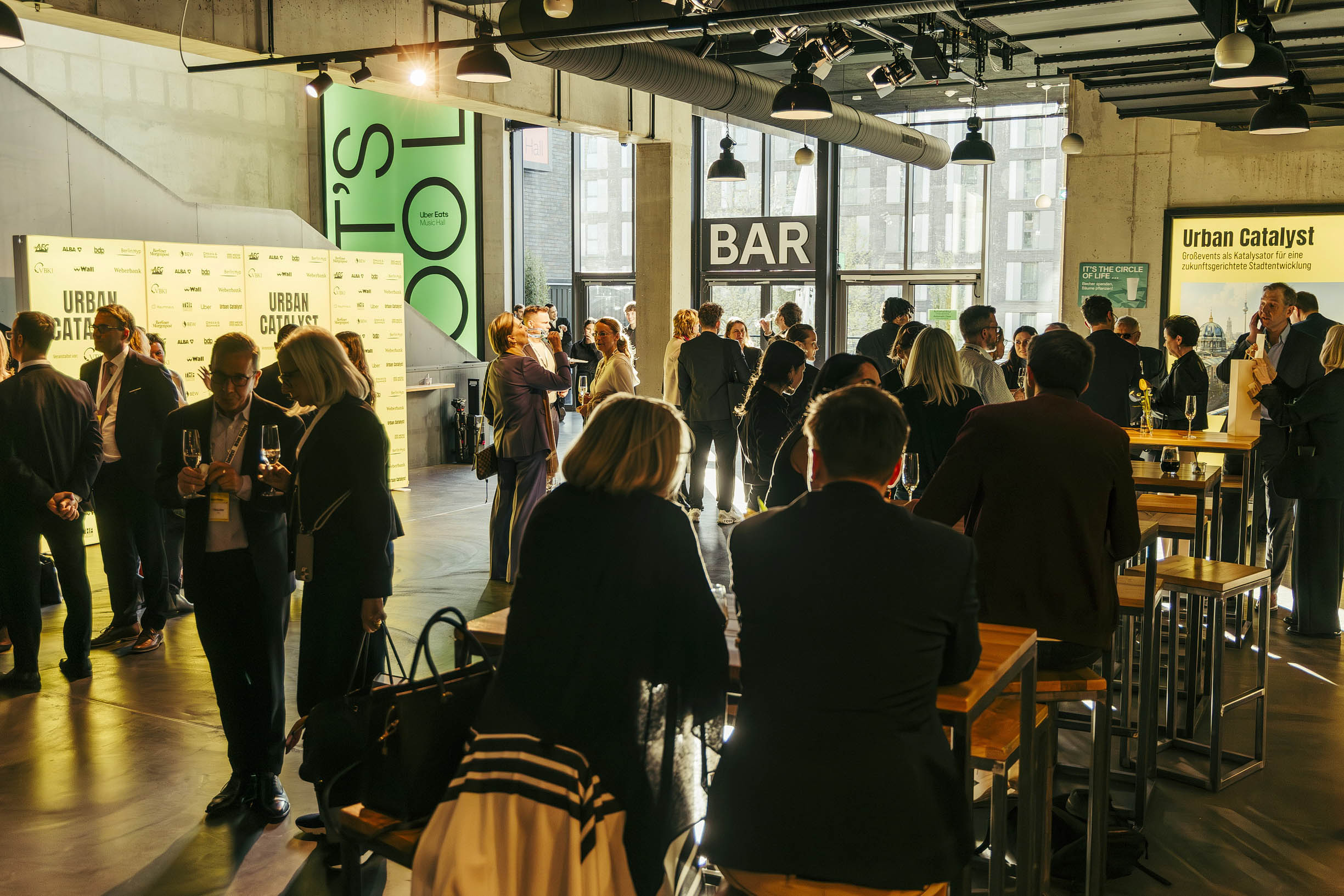
How can mega-events such as the Olympic and Paralympic Games specifically contribute to the sustainable development of major cities—and what opportunities does this present for Berlin? These questions were the focus of the conference “Urban Catalyst—Major Events as a Catalyst for Future-Oriented Urban Development,” which was organized by the Berlin Retailers’ Association ( Verein Berliner Kaufleute und Industrieller , VBKI). In collaboration with the Anschutz Entertainment Group (AEG) and other partners, the conference took place on April 22, 2026, at the Uber Eats Music Hall in Berlin. Approximately 300 representatives from politics, business, academia, and urban development discussed the prospects of a potential Berlin bid for the Olympics.
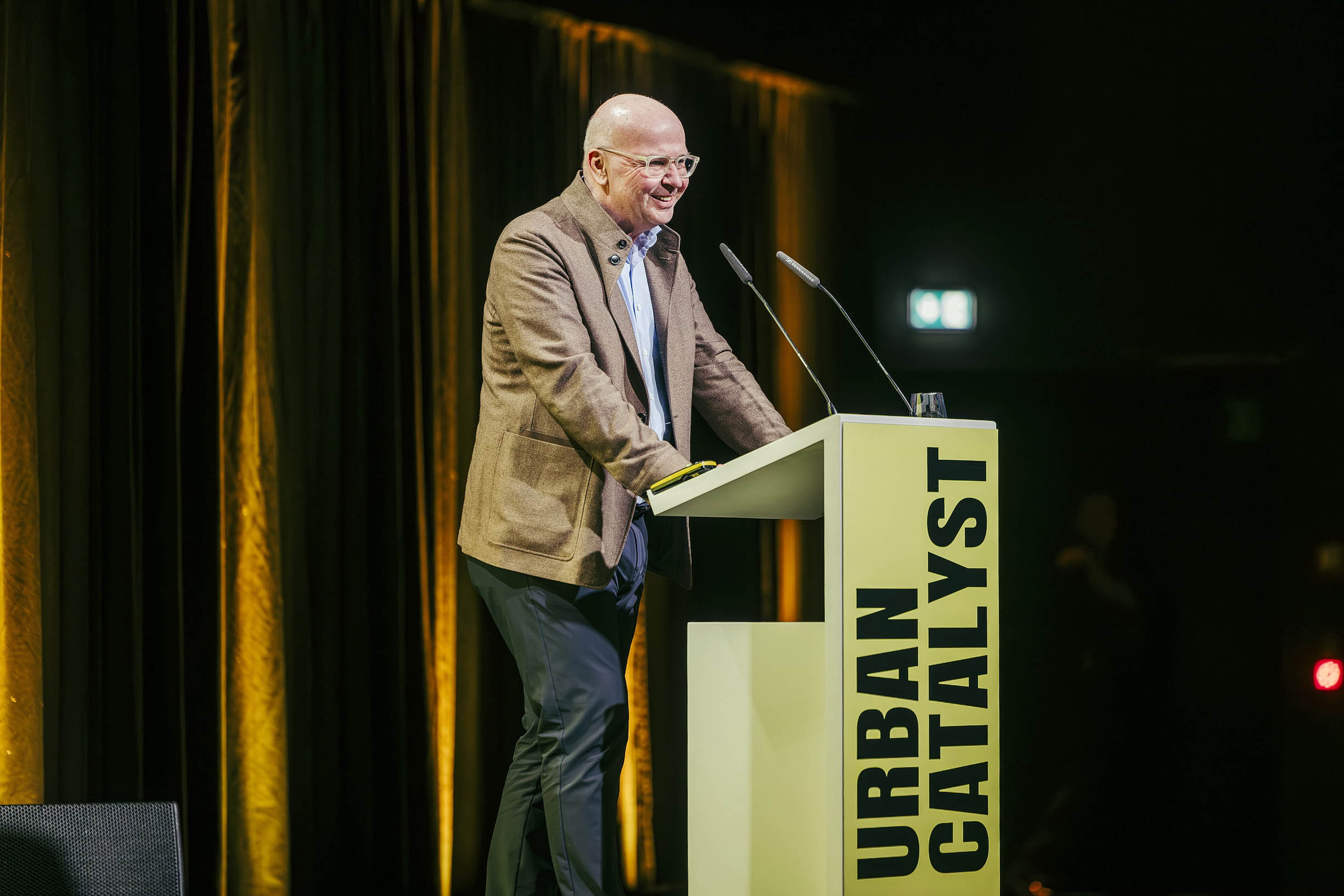
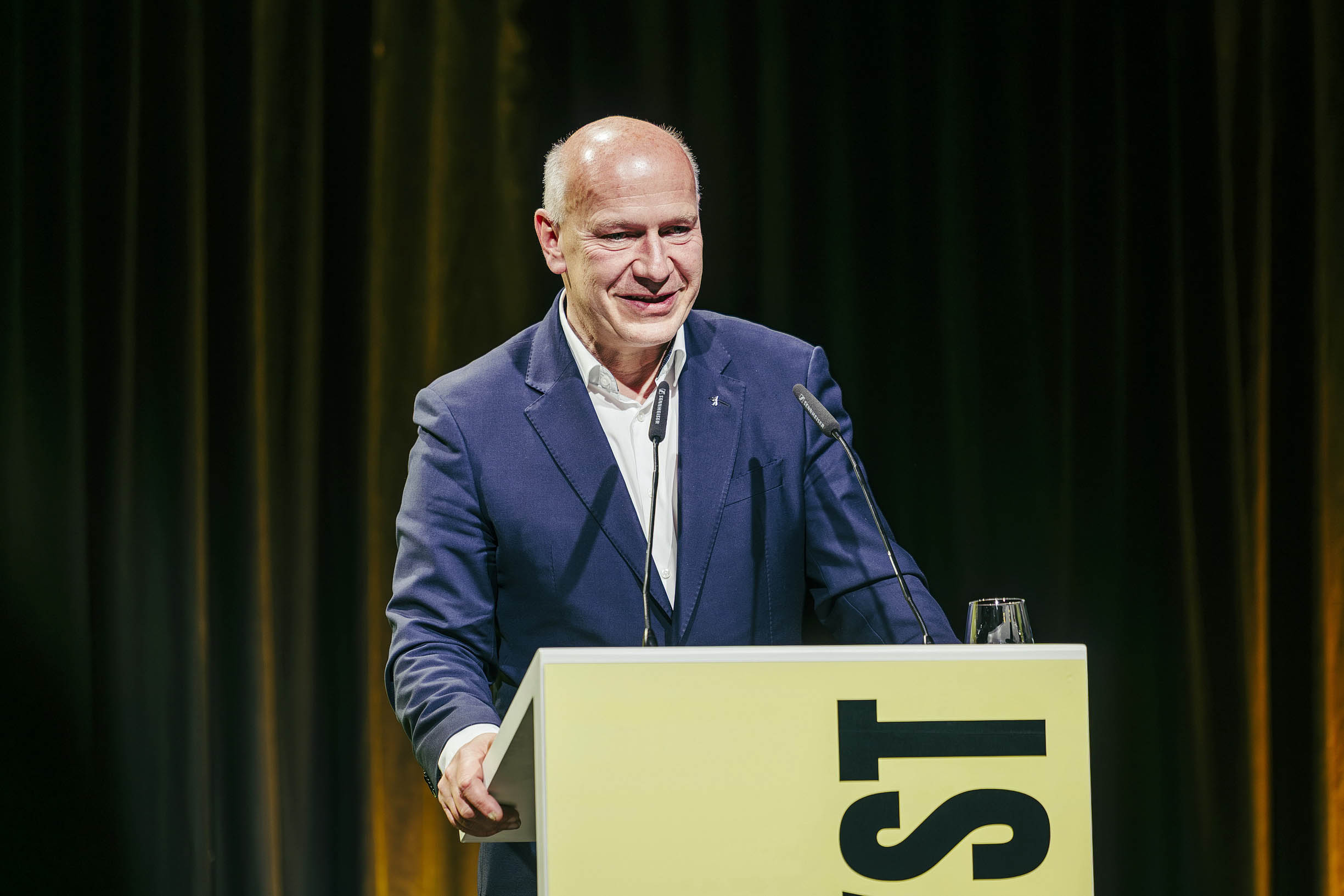
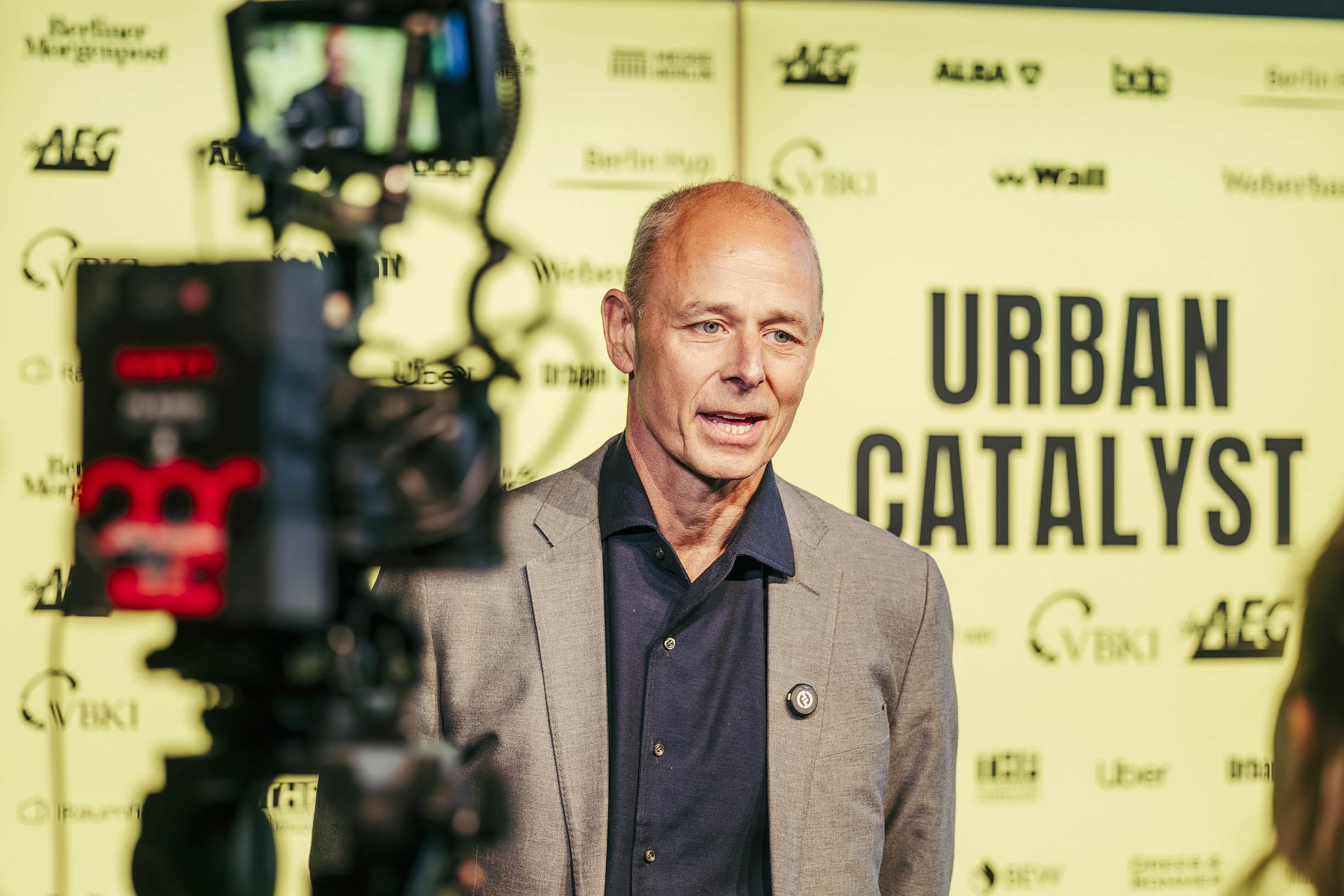
Right from the opening, VBKI President Markus Voigt and Alex Hill, representing the Anschutz Entertainment Group, made it clear what the event is really about: not the event itself, but its long-term impact. Mega-events are successful when they are conceived from the outset as part of a strategic urban development plan—with a clear focus on sustainable use, social value, and economic viability.
International Experience as a Foundation for Berlin
The conference focused on international best practices. Leading experts analyzed different approaches to managing mega-events, using the examples of London 2012, Rio de Janeiro 2016, and Paris 2024.
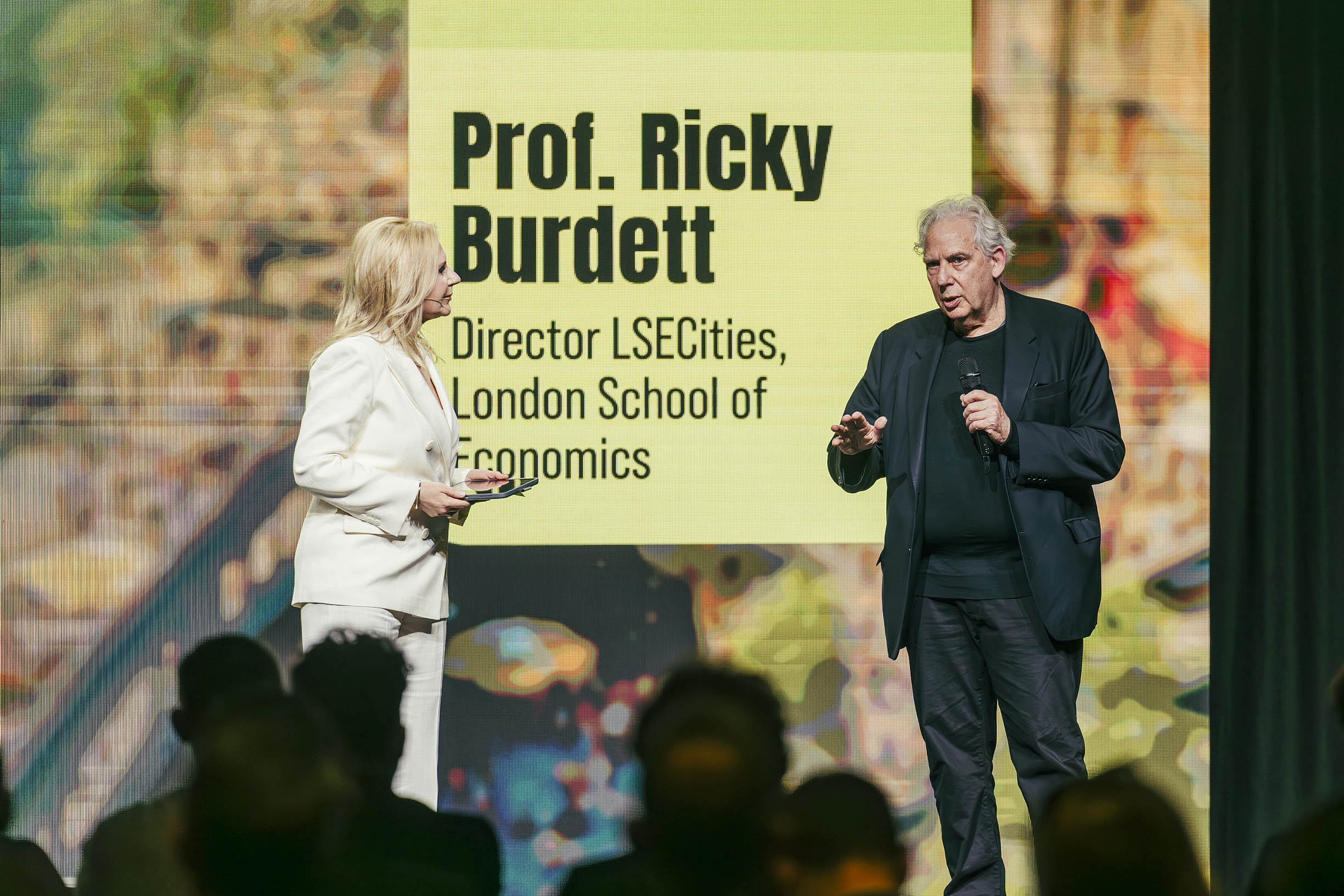
Prof. Ricky Burdett of the London School of Economics demonstrated how the 2012 Olympic Games were specifically used to transform a structurally disadvantaged neighborhood. He noted that the key to success was planning infrastructure, housing, and public spaces with a long-term perspective and in response to actual needs.
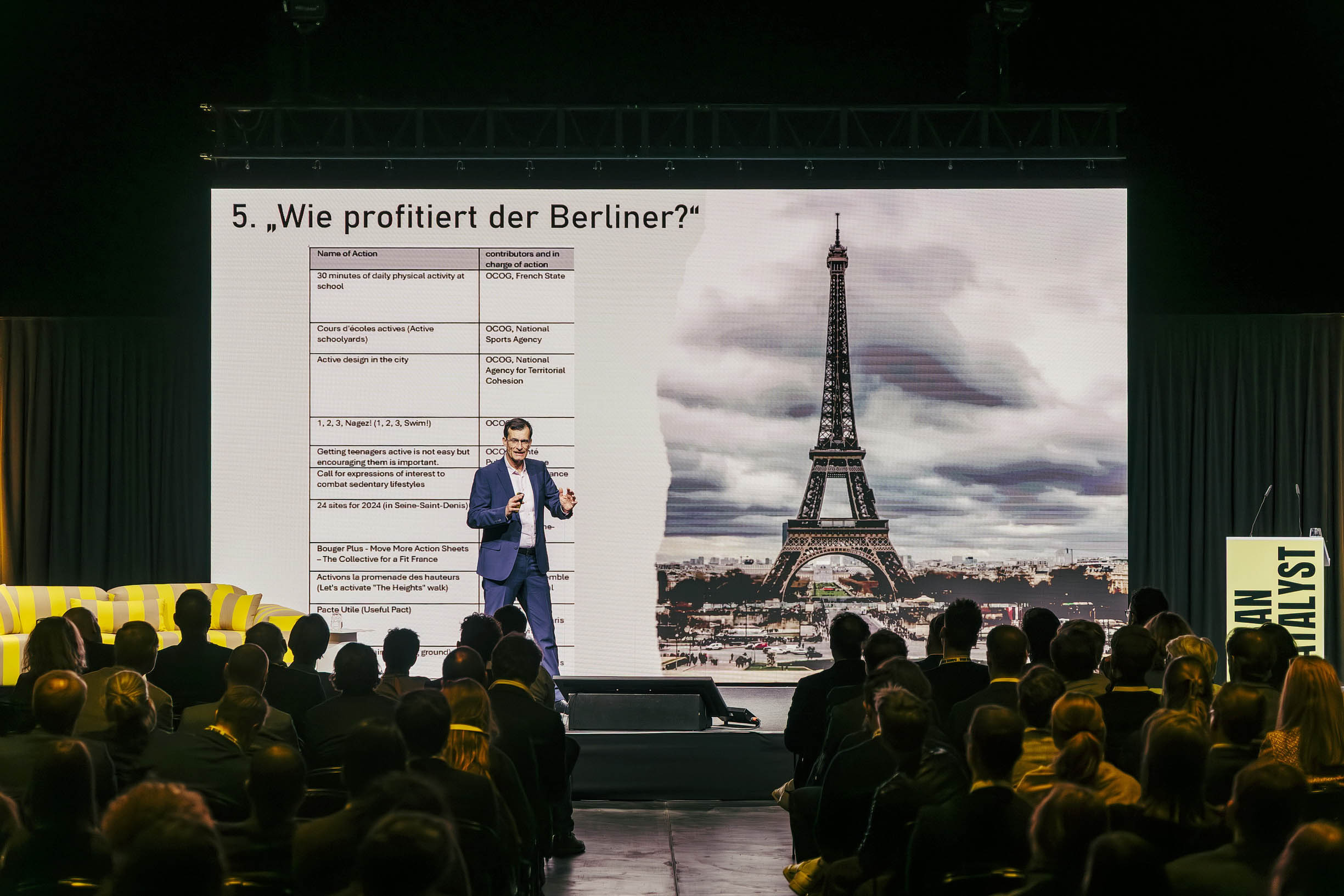
Paris 2024 was highlighted as an example of a strategy consistently focused on sustainability and post-event reuse—particularly with regard to affordable housing and the integration of existing infrastructure.
Using Rio de Janeiro as an example, however, Prof. Marcos L. Rosa illustrated the risks that arise when long-term strategies are lacking or are not consistently implemented. The general consensus is that the success of mega-events is determined primarily in the years leading up to and following the event.
"Legacy" as a Key Success Factor
Against this backdrop, the so-called “legacy”—that is, the long-term impact of major events on cities, the economy, and society—became the focus of the discussion. There was agreement that the Olympic Games create sustainable added value only when they are an integral part of a comprehensive urban development strategy.
This involves, in particular, infrastructure, housing, mobility, and public spaces, as well as social acceptance, environmental standards, and economic viability.
Sports economist Prof. Dr. Holger Preuß discussed the economic dimension of the “legacy.” He pointed out that, with strategic planning, the Olympic Games can certainly have positive macroeconomic effects—for example, through investment and job creation. However, he emphasized that it is crucial for these effects to be viewed from a long-term perspective and managed systematically.
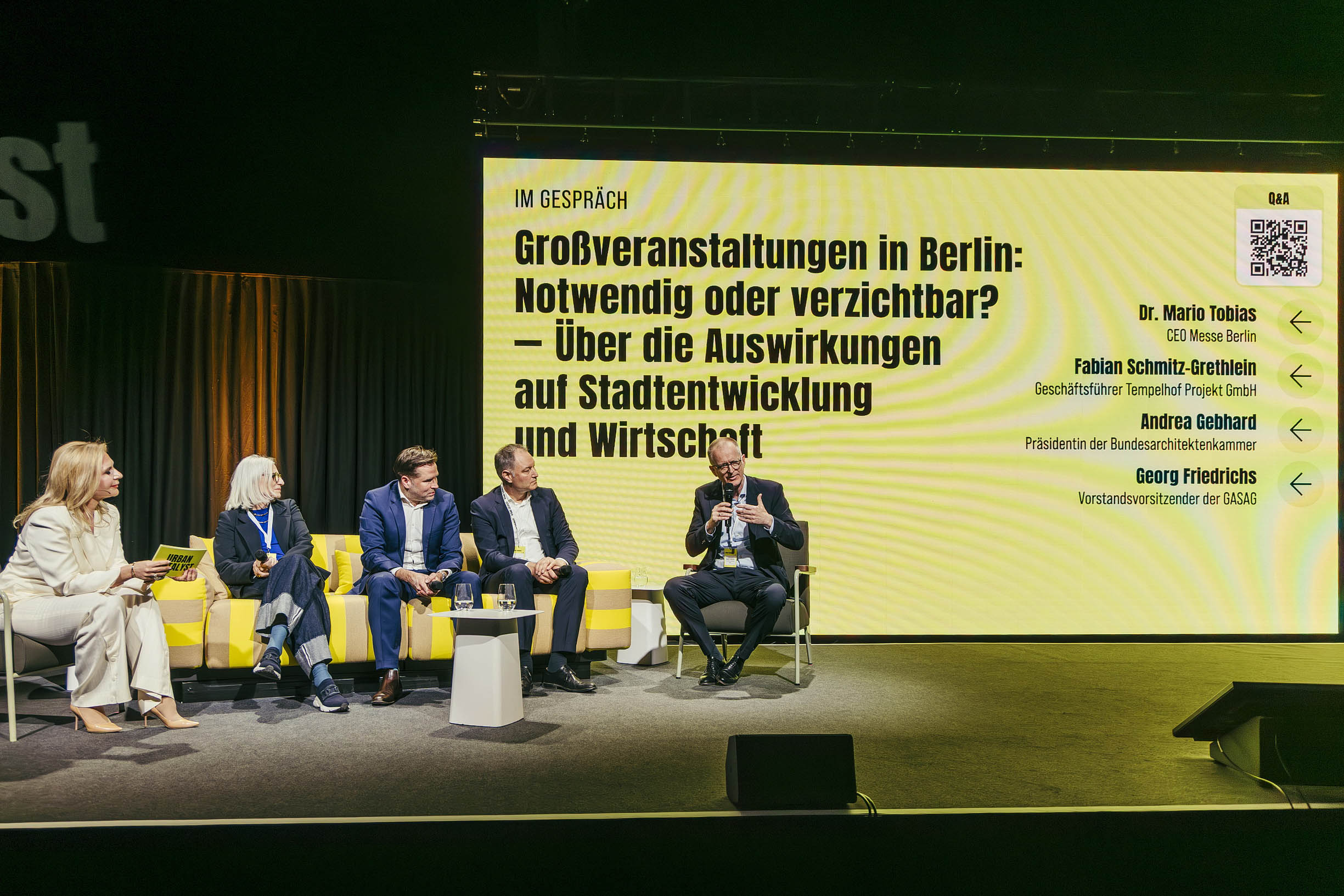
In the ensuing discussion, the focus turned to Berlin: Under the title “Major Events in Berlin: Necessary or Superfluous?”, representatives from the business community and urban development sector examined the specific impacts of mega-events on the capital. Andrea Gebhard (President of the Federal Chamber of Architects), Fabian Schmitz-Grethlein (Managing Director of Tempelhof Projekt GmbH), Georg Friedrichs (Chairman of the Board of the GASAG Group), and Dr. Mario Tobias (CEO of Messe Berlin) discussed different perspectives on urban development and the economic effects. All business representatives agreed: a major event such as the Olympic Games would create jobs in Berlin, attract investment to the city, and ensure that planned projects are completed on time.
There was also agreement that mega-events can provide significant economic momentum, spur investment, and strengthen Berlin’s international visibility in the long term.
Focus on Berlin: Opportunities and Next Steps
Two athletes with “firsthand Olympic experience”—two-time Olympic champion Heike Drechsler and two-time Olympic champion Ronald Rauhe—also shared their personal perspectives on the significance of the Olympic Games. They offered insights into the unique appeal of the Games and their unifying effect on society and international understanding.
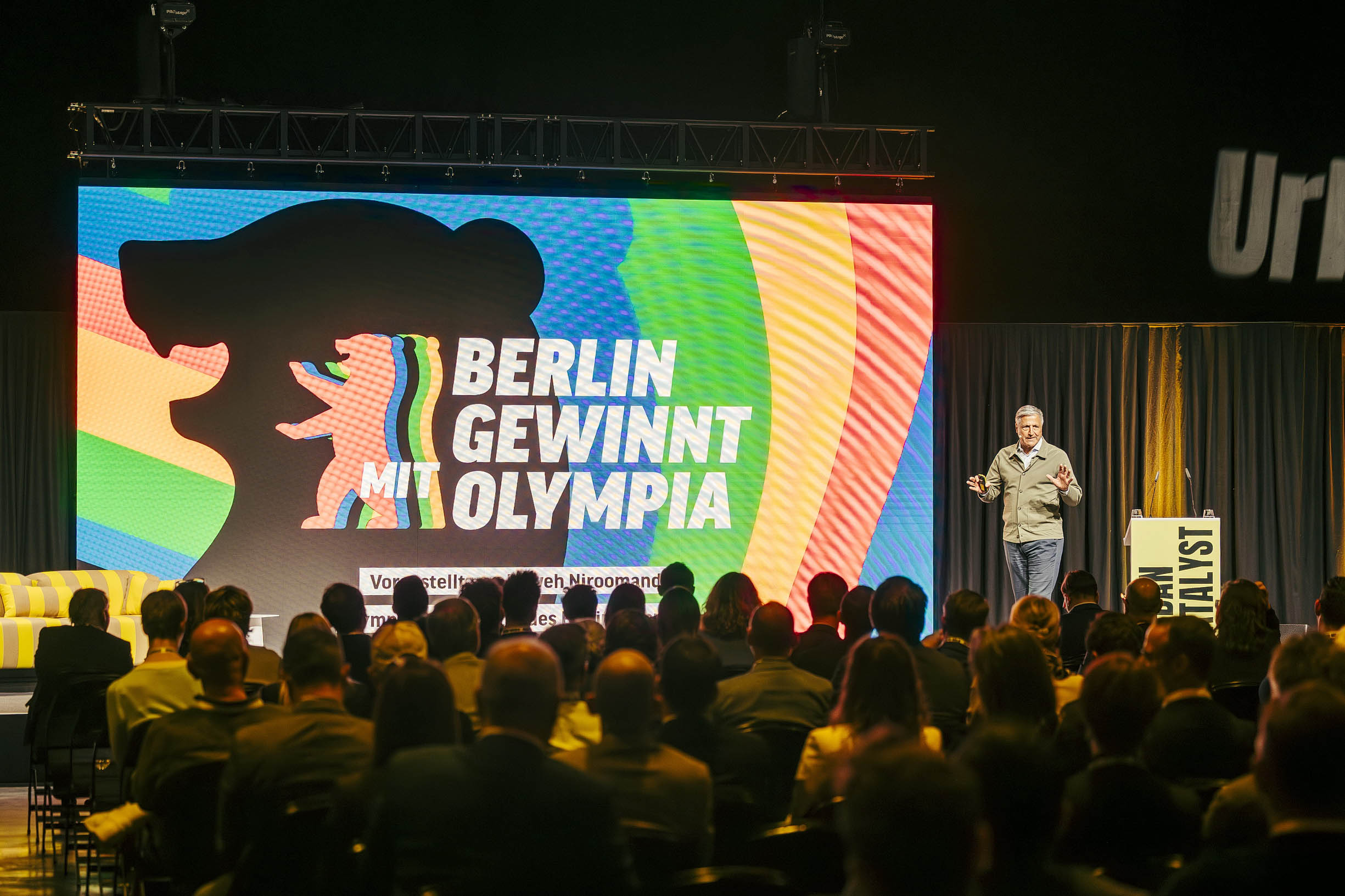
Following on from this, the current status of a potential Berlin Olympic bid under the “Berlin Plus” concept was also discussed at length. Governing Mayor Kai Wegner and the Berlin Senate’s Olympic Commissioner, Kaweh Niroomand, emphasized both the opportunities and the key requirements for the city. Berlin already meets many of the prerequisites—from existing infrastructure and international appeal to a wide range of urban development projects. However, it will be crucial to translate this potential into a coherent, long-term, sustainable overall concept while ensuring broad public support.
Conclusion: Mega-events as a Strategic Tool
“Urban Catalyst” has impressively demonstrated that mega-events can be much more than just large-scale, short-term gatherings. When used correctly, they can serve as a powerful catalyst for sustainable urban development.
For Berlin, this means that a potential bid to host the Olympics is not just a decision regarding sports policy, but a strategic choice that will shape the city’s future. It will be crucial to draw the right lessons from international experiences and use them to develop a viable, long-term plan.
We would like to thank all the speakers, partners, and supporters, as well as the numerous guests, for the lively discussion and the diverse perspectives. The panel discussion featured Prof. Ricky Burdett (Director of LSECities, London School of Economics), Prof. Dr. Holger Preuß (Professor of Sports Economics and Sports Sociology at the University of Mainz), Prof. Marcos L. Rosa (Faculty of Architecture and Urbanism, Federal University of Rio de Janeiro), two-time Olympic champion Heike Drechsler, two-time Olympic champion Ronald Rauhe, Kaweh Niroomand (Olympic Commissioner for the Berlin Senate), the Governing Mayor of Berlin Kai Wegner, Andrea Gebhard (President of the Federal Chamber of Architects), Fabian Schmitz-Grethlein (Tempelhof Projekt GmbH), Georg Friedrichs (GASAG Group), and Dr. Mario Tobias (Messe Berlin).
Special thanks go to our moderator, Sandra Pabst, who guided the conference with great depth of knowledge and poise.
We would like to express our sincere thanks for the wonderful collaboration with the Anschutz Entertainment Group and the agency STÖBE.KOMMUNIKATION.
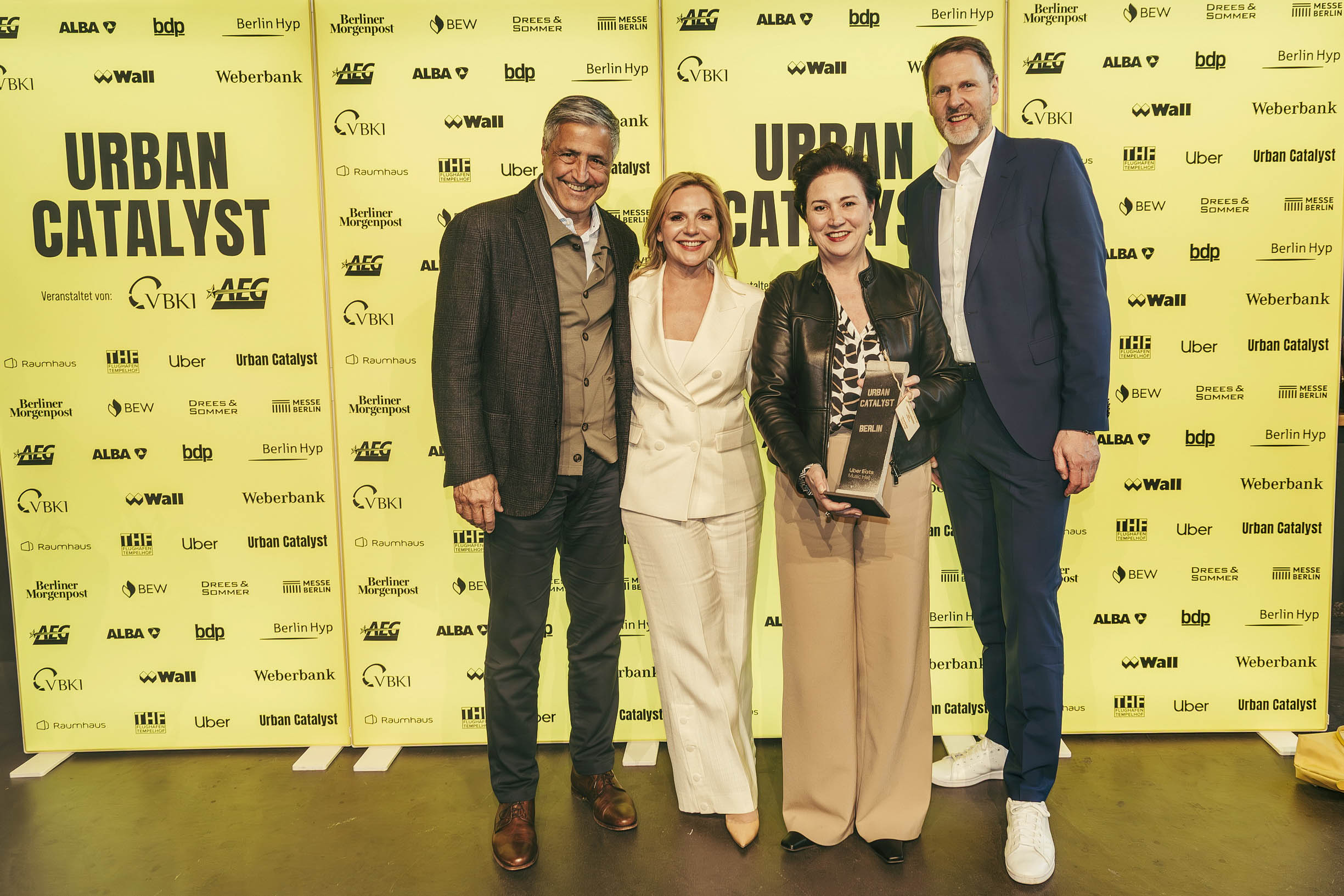
We would also like to thank our partners and supporters—BEW (Berliner Wärme und Energie), Messe Berlin, Alba Europe, Weberbank, bdp real estate GmbH, Berlin Hyp, Drees & Sommer, Raumhaus, Tempelhof Projekt GmbH, Wall GmbH, and Uber—without whom this event would not have been possible.
Impressions
To the picture gallery: Please click here>
You might also be interested in

"Who are the Marcuses?"
Film screening and talk at the James-Simon-Galerie
Joint declaration
Berlin's business community backs Olympic bid
"Fundraising is a matter for the boss"
Hauptstadtkulturgespräch: Private cultural funding - but how?