
Housing Shortage: A Drag on Growth
Panel: How the Housing Shortage and Socialization Are Threatening Growth and Prosperity in Berlin.
Text Sebastian Thomas | Head of Communications and Marketing
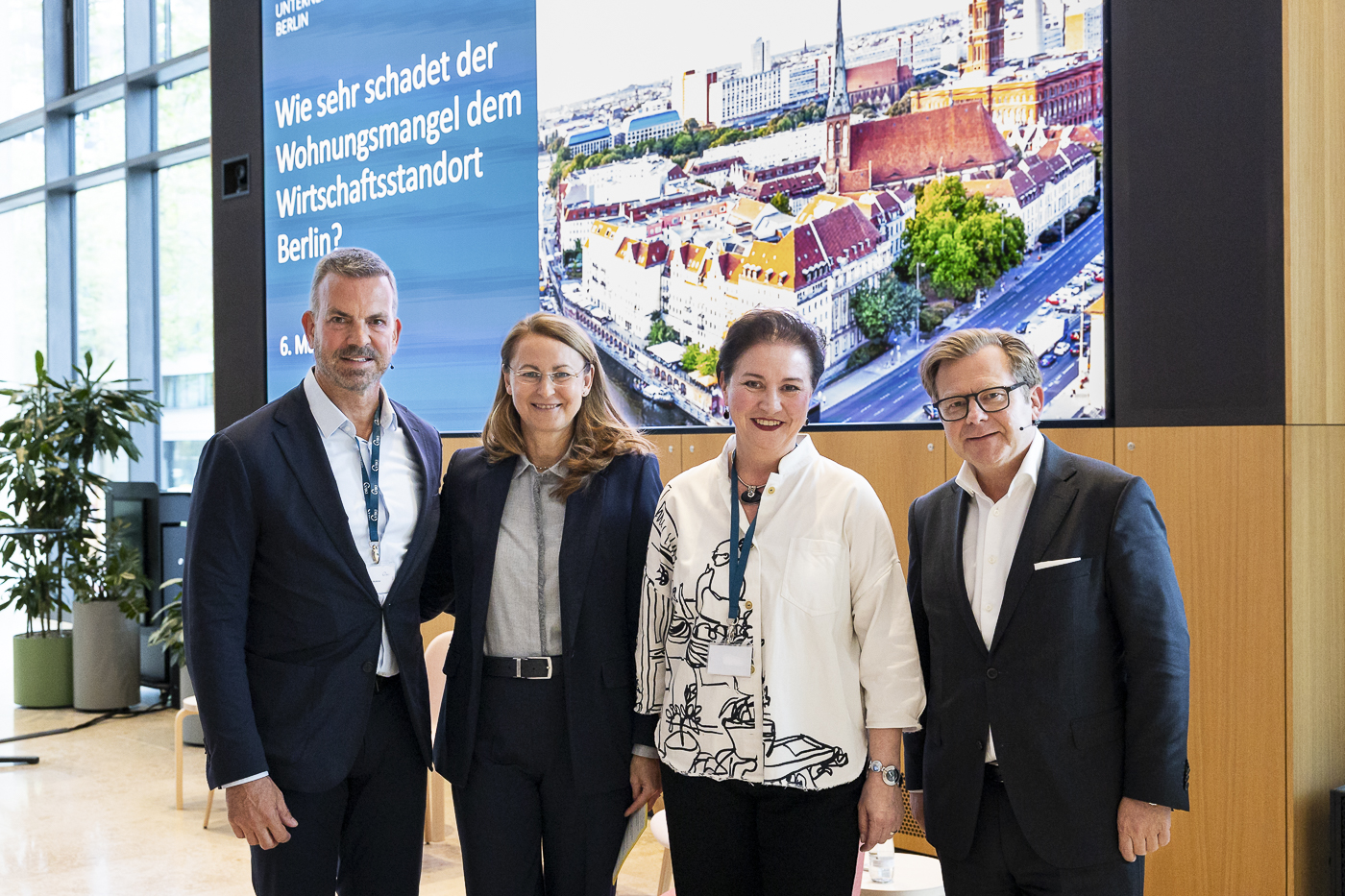
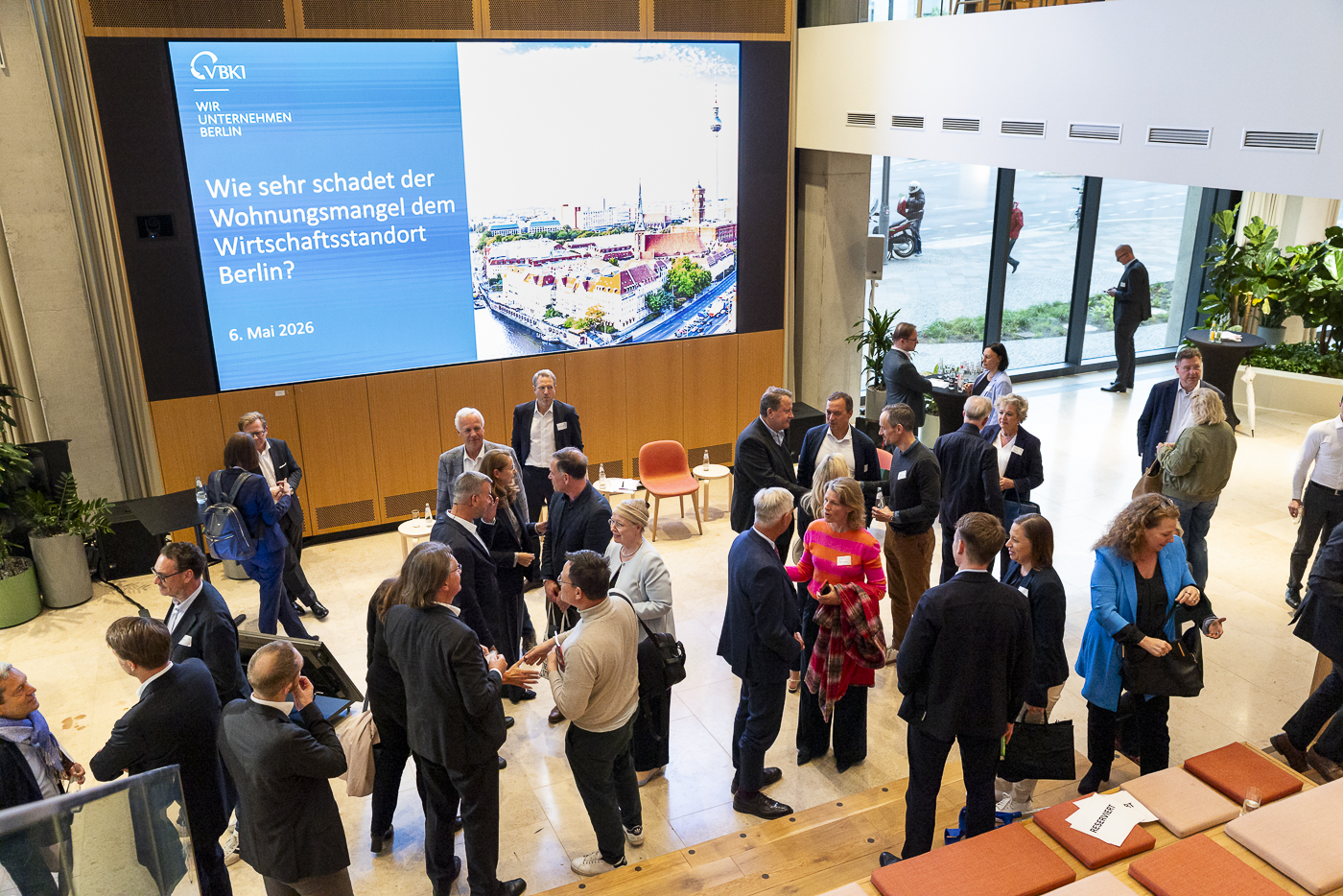
The housing shortage is increasingly becoming a locational issue for Berlin—with economic consequences extending far beyond the capital. Representatives from the real estate industry, the financial sector, and academia discussed this topic in early May at Berlin Hyp’s headquarters on Budapester Straße. The discussion focused on the consequences of the tight housing market, the debate over public ownership and expropriation, and the question of how to accelerate housing construction again.
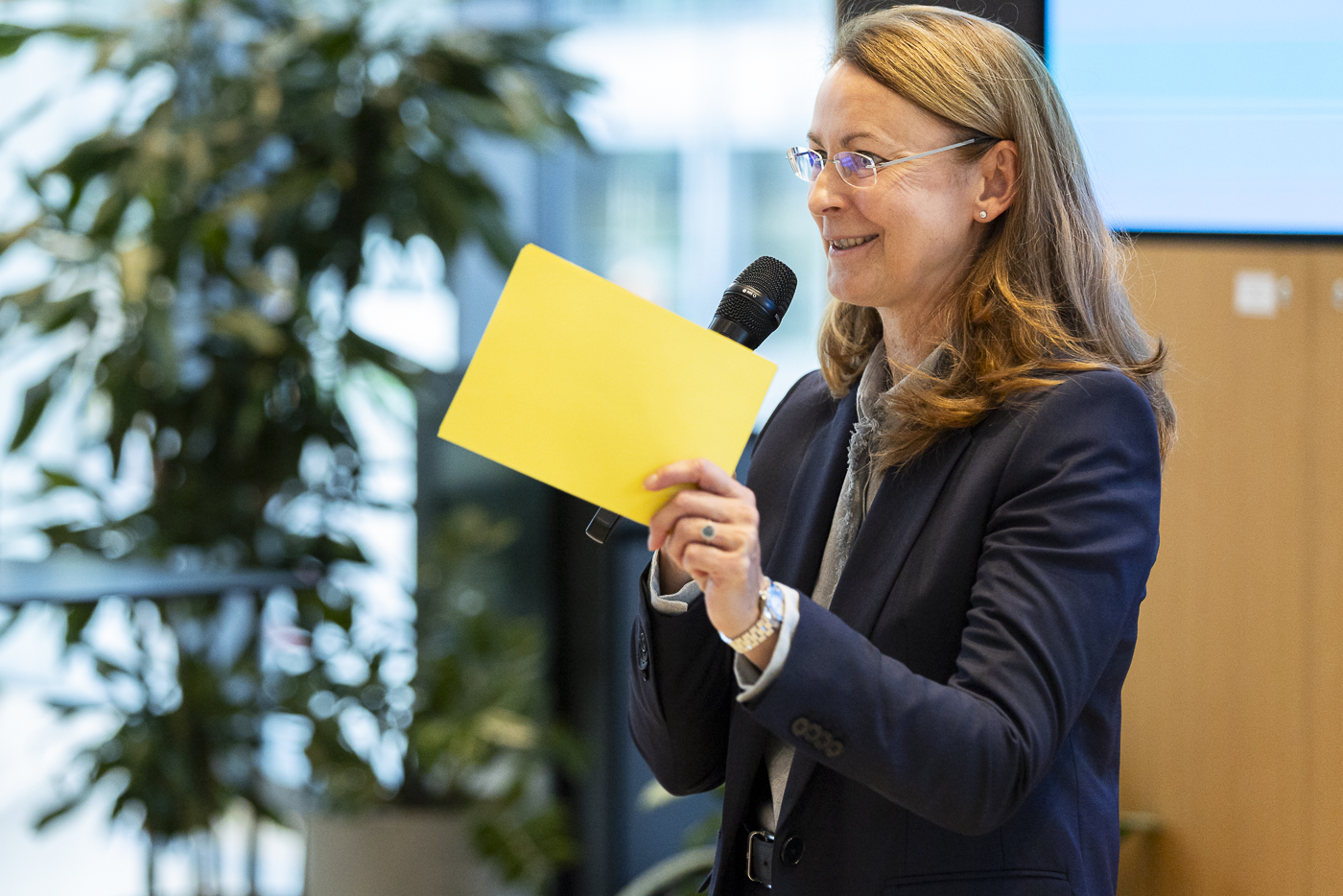
The guests were welcomed by Sascha Klaus, CEO of Berlin Hyp, and VBKI Executive Director Ute Weiland. Anette Weller, co-chair of the VBKI Real Estate Committee, introduced the topic. She emphasized that the VBKI wanted to help bring a more objective perspective to the heated debate. She noted that the task was a major one and could only be accomplished through the united efforts of all democratic forces.
Housing Shortage as a Risk to Growth and Competitiveness
Prof. Dr. Michael Voigtländer of the Cologne Institute for Economic Research kicked off the discussion. He painted a picture of a metropolis that is economically successful but, at the same time, overwhelmed by housing policy challenges. Berlin has made significant economic strides in recent years: Gross domestic product has grown by an average of 2.3 percent annually over the past five years, while the number of people in the workforce has risen significantly. The rising rents for new leases are therefore also a reflection of the city’s economic dynamism.
In fact, Berlin has been growing significantly faster than its housing stock for years. Between 2011 and 2025, the population rose from about 3.3 million to nearly 3.9 million. At the same time, new housing construction has failed to keep pace with demand. According to the Berlin Senate, there is now a shortage of more than 100,000 apartments in the city.
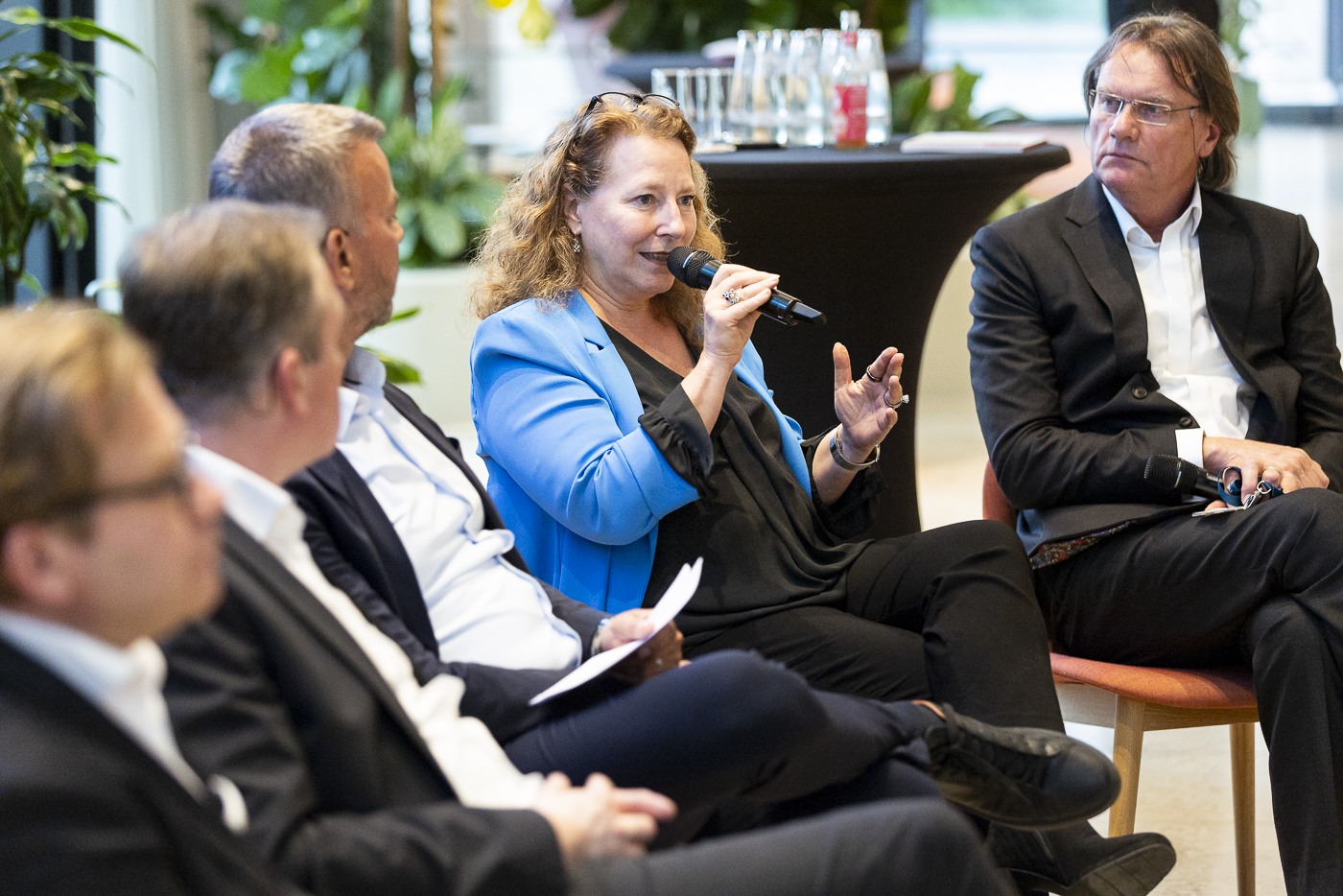
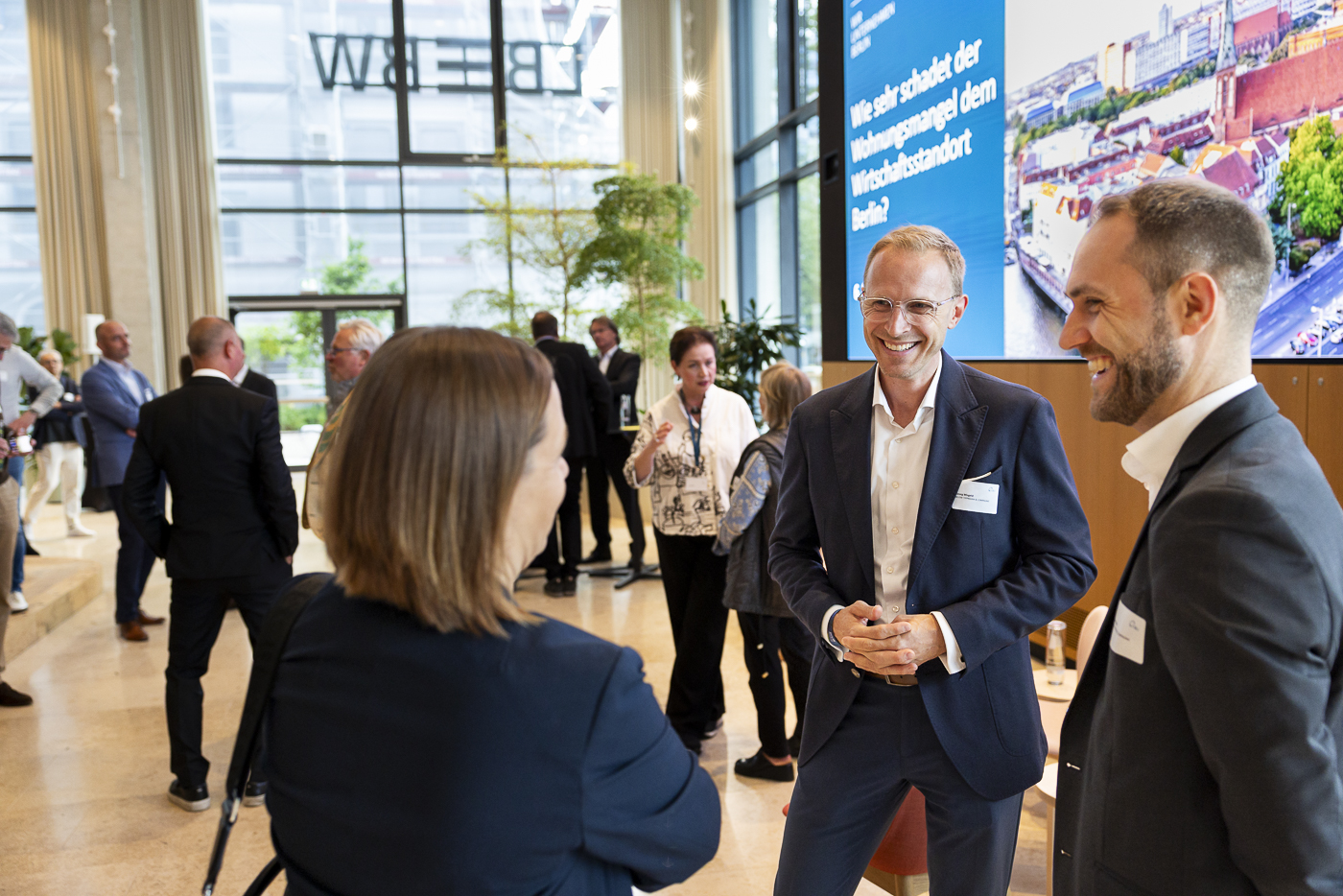
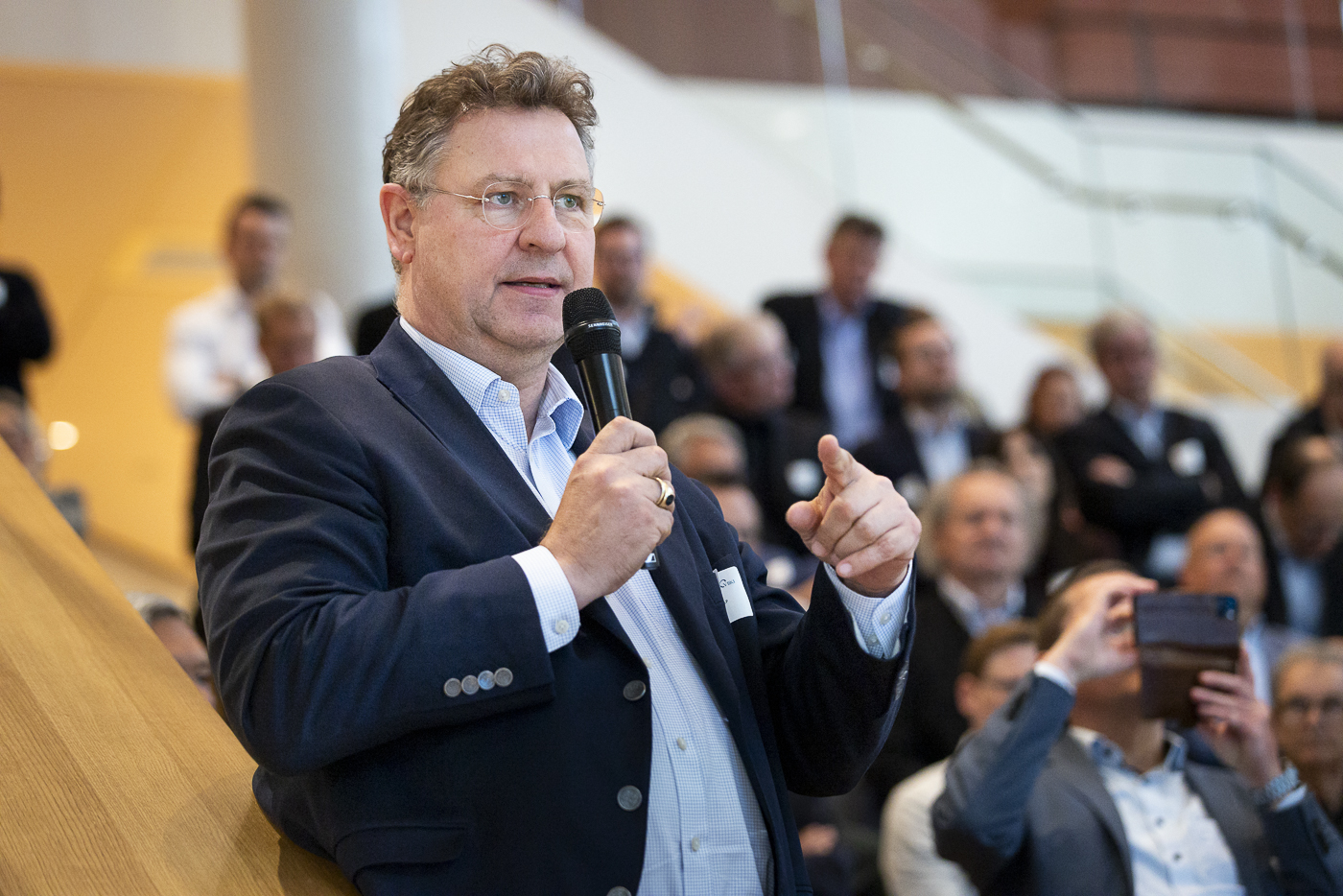
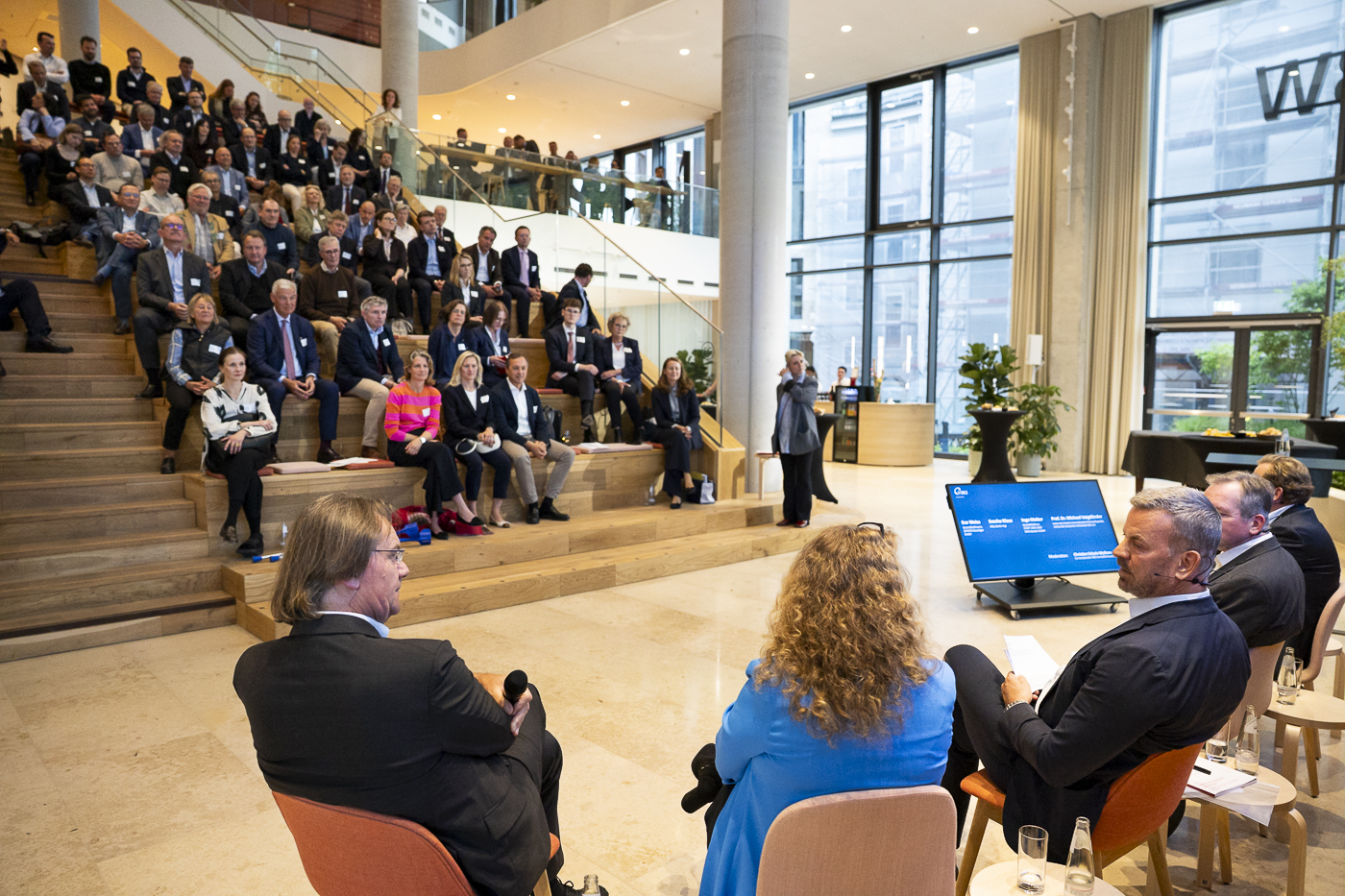
Christian Schulz-Wulkow, also co-chair of the VBKI Real Estate Committee, addressed this trend in the ensuing discussion. He noted that the population growth of about 500,000 people is roughly equivalent to the size of Leipzig or Hanover. At the same time, only about 150,000 apartments were built during the same period. The resulting excess demand is now shaping the entire Berlin housing market.
Voigtländer made it clear that Berlin needs about 30,000 new apartments each year to keep pace with the city’s growth. In fact, the city has fallen far short of this target for years.
A Warning About the Consequences of the Debate on Socialization
The discussion focused in particular on the economic consequences of the debate surrounding the nationalization and expropriation of large housing companies. Voigtländer issued a stark warning about the effects on investment security and confidence in Germany as a business location. Given the scope of the discussion, he said, the issue is still being underestimated at the federal level. Article 15 of the Basic Law is expressly not limited to the housing market. International investors could therefore develop fundamental doubts about the reliability of the German legal framework.
In his view, the consequences would be significant—for all citizens: less investment, declining tax revenues, and, in the long term, job losses as well. Berlin has benefited greatly so far from Germany’s international reputation as a reliable legal and investment hub. Implementing the plans for socialization would undermine that trust. The debate itself is already damaging Berlin’s reputation as a business location.
Sascha Klaus also spoke in no uncertain terms. In his view, implementing the plans for socialization would be “a complete disaster for Berlin as a business hub.” Berlin relies to a significant extent on capital from both within Germany and abroad. Capital requires reliability—uncertainty, on the other hand, increases risk premiums and makes financing more expensive. What is particularly critical is that the effects would not be limited to Berlin. If such a precedent were set, it would immediately raise the question of similar developments in other German cities.
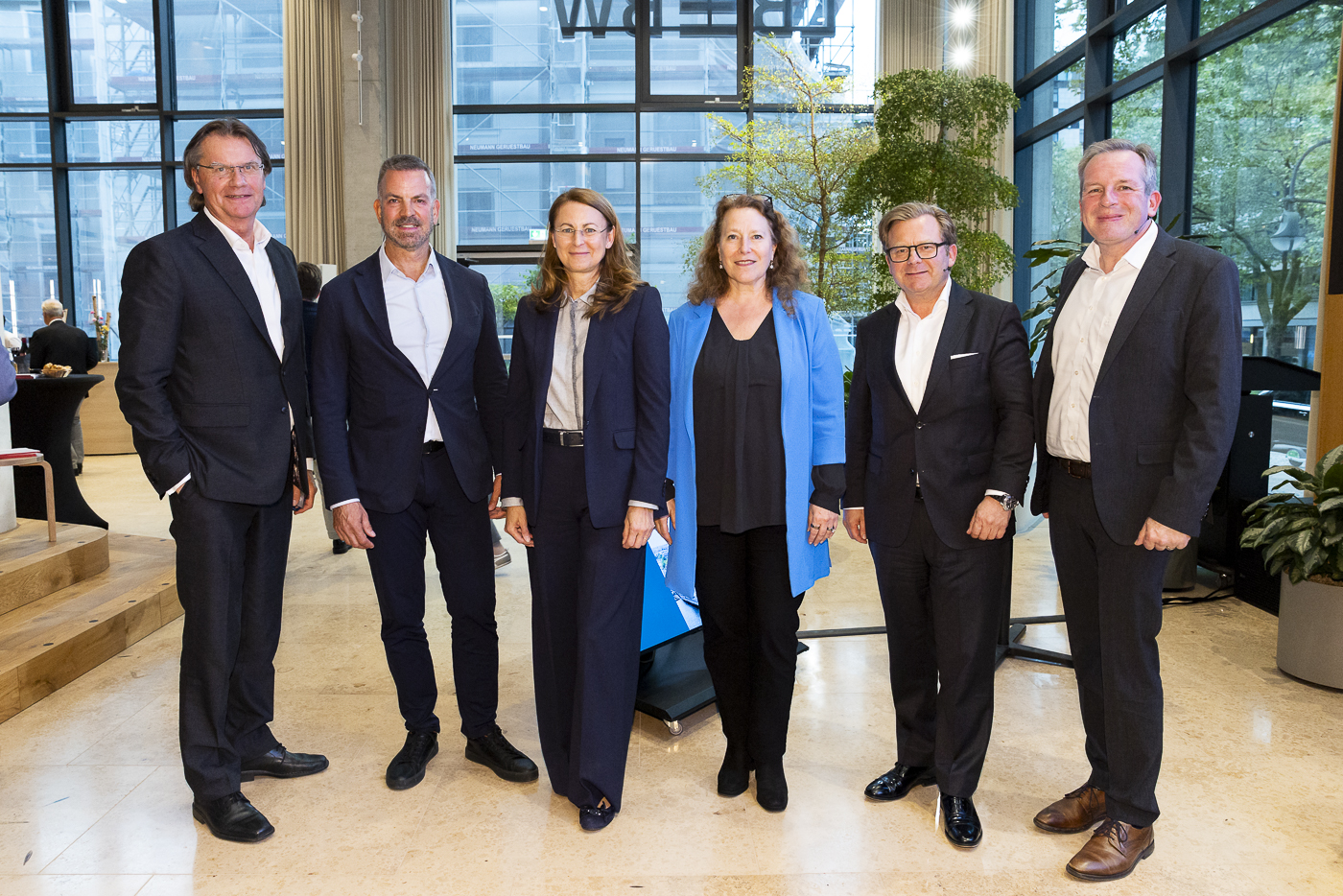
Attorney Christian Schede provided additional insight from a legal perspective. In his view, the current draft bill for the expropriation initiative is “undoubtedly unconstitutional.” However, it could take two to three years for the Federal Constitutional Court to issue a final ruling. During this period, an “investment freeze” is to be expected—not only in Berlin, but nationwide.
This is also putting pressure on the financing side. Banks would have to recalculate their risk assessments, and lending could become more difficult. As a result, rising financing costs would make housing construction even more challenging.
A market with little movement
Several panelists pointed out that the public debate often paints a distorted picture of Berlin’s rental market. Ingo Malter, managing director of STADT UND LAND Wohnbauten-Gesellschaft, explained that his company’s average rent for existing units is currently 7.09 euros per square meter, while new leases are just under ten euros.
However, public perception is shaped primarily by the significantly higher asking rents on platforms such as ImmoScout. At the same time, tenant turnover in the Berlin housing market has declined dramatically. While in the 1990s about 12 percent of the housing stock changed tenants annually, that rate is now only about 4 percent. Many households are holding on to their affordable old leases because comparable housing on the market is hardly affordable anymore.
In this context, Voigtländer spoke of a “lock-in effect”: Due to strict regulation of existing rents, the difference between rents under old and new leases has grown significantly. As a result, long-term leases have themselves become an economic advantage that many households understandably do not want to give up.
There was also heated debate over how “affordable housing” should actually be defined. Ingo Malter criticized the term as a “mutilation of our language.” Of course, housing is needed for households with special support needs—that is part of public services. However, this cannot be the responsibility of the entire housing market. Rather, the key factor is the ratio of rent costs to disposable income.
In this context, Malter referred to a so-called “affordability pledge” made by STADT UND LAND, the state-owned housing authority he heads. Under this pledge, a rent increase is rescinded if the net rent (excluding utilities) subsequently exceeds 27 percent of the household’s net income. It is noteworthy, however, that this offer is rarely taken up: the response rate is less than one percent.
New construction remains the key driver
There was broad consensus among the panelists that the key solution lies in new construction. At the same time, it became clear just how difficult it has become to build cost-effectively under the current conditions. Eva Weiß explained that, given today’s construction costs, new rents of around 20 euros per square meter are necessary to make projects profitable.
Ingo Malter also confirmed this range of figures for the state-owned housing authorities. In some cases, these authorities are still able to cushion the impact on rents through cross-subsidization. In addition, the State of Berlin is currently not drawing any dividends from these companies—an important factor in keeping rents lower.
Eva Weiß attributed the sluggish pace of construction primarily to lengthy planning and permitting procedures. She said the problem was not a lack of capital, but rather the duration of the processes and how conflicting goals are handled. In some cases, hundreds of apartments are not being built because issues related to nature conservation laws remain unresolved. “600 apartments aren’t being built because the nesting site of a pair of birds is affected,” said Weiß. Furthermore, “every other construction project in Berlin is hindered by the discovery of sand lizards.”
In this context, Christian Schulz-Wulkow referred to the recent VBKI position paper, which calls for building permits to be issued within a maximum of two years in the future. Other European cities, such as Warsaw, have shown that significantly faster procedures are possible.
Sascha Klaus also emphasized that there is sufficient capital available for housing construction investments. Banks and investors continue to view housing as an attractive asset class. It is therefore crucial to create a reliable regulatory framework and speed up approval processes.
A Call for a New Debate on Growth and Construction
At the conclusion of the discussion, the participants called for a fundamental shift in perspective in Berlin’s urban development debate. Voigtländer spoke of a widespread “fear of change” in society. He cited the debate over Tempelhofer Feld as an example. Berlin, he said, must once again develop a more positive narrative around growth, new construction, and the future. Vienna could serve as a model—not so much because of its regulatory policies, but rather because of its consistent approach to new construction.
In the end, there was agreement that the housing shortage is no longer merely a social issue. It is increasingly becoming a key challenge for Berlin’s economic development—and thus also for the city’s overall long-term viability.
Impressions
To the picture gallery: Please click here>
You might also be interested in

"Who are the Marcuses?"
Film screening and talk at the James-Simon-Galerie
Joint declaration
Berlin's business community backs Olympic bid
"Fundraising is a matter for the boss"
Hauptstadtkulturgespräch: Private cultural funding - but how?